Newsletter Subscribe
Enter your email address below and subscribe to our newsletter

Enter your email address below and subscribe to our newsletter
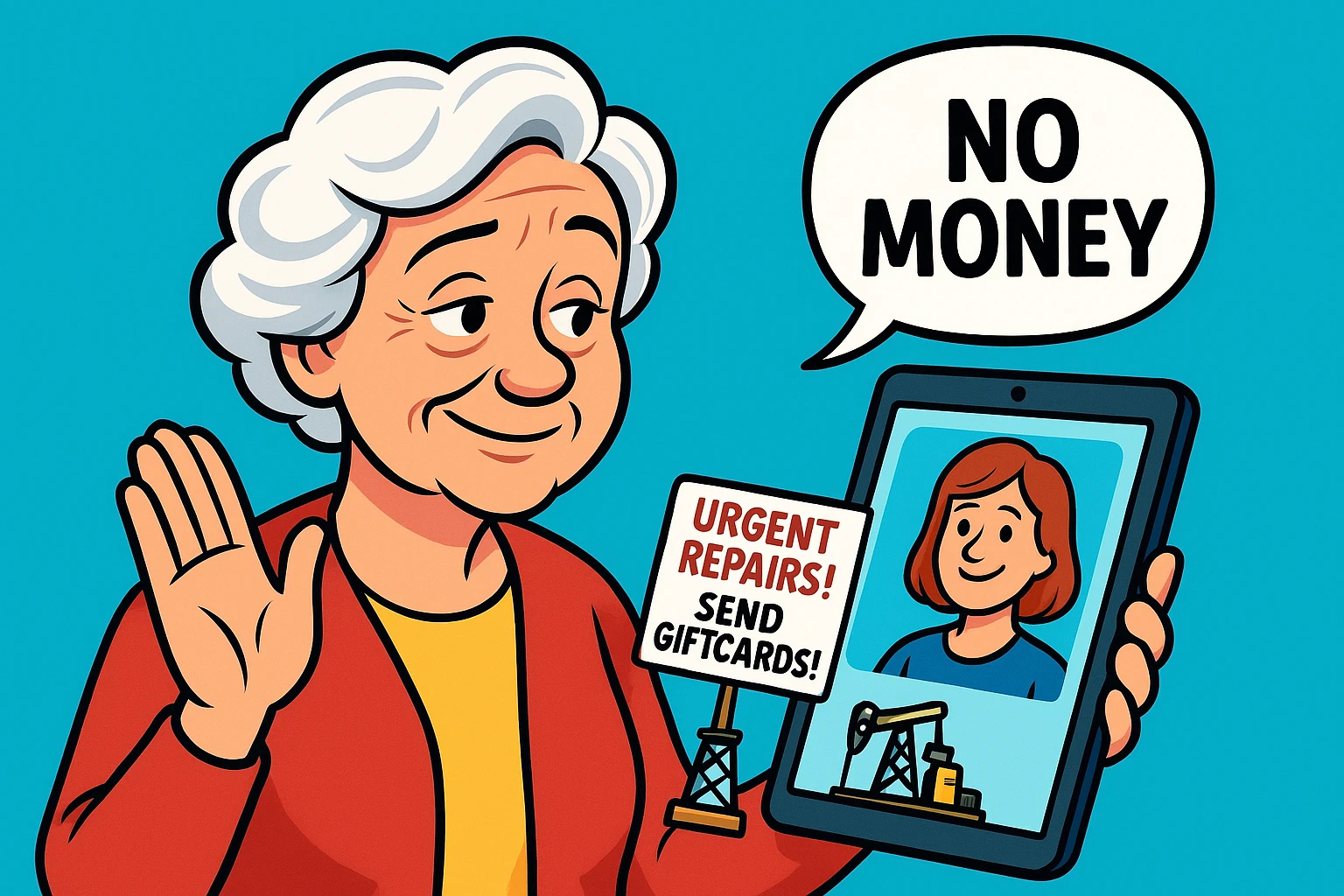
You finally met someone wonderful online. They are charming, they appreciate your witty banter, and they actually ask about your day. They don’t even mind that your dog snores louder than a freight train.
For a few weeks, everything is sunshine and digital roses. Then, suddenly, disaster strikes. Your new sweetheart is unexpectedly trapped on an oil rig, locked in a foreign hospital, or tangled up in a sudden, dramatic customs dispute. And wouldn’t you know it? The only thing standing between them and safety is you buying $500 worth of iTunes gift cards.
You could have knitted a full-sized replica of the Chrysler Building in the time it takes them to explain why a multi-national oil corporation needs your specific Target gift cards to fix a multi-million-dollar drill bit. If this sounds familiar, you have just experienced what fraud experts call “The Pivot.”
It’s the high-stress, deeply confusing moment when an online romance suddenly turns into a financial shakedown. Today, we are going to pull back the curtain on this digital sleight-of-hand. We’ll decode the excuses they use, explain why our brains fall for it, and most importantly, give you the exact words you need to say “no” without losing your mind—or your savings.
Scammers don’t ask for money on day one. If someone messaged you saying, “Hi, I’m Bob, please send me $1,000,” you’d delete the message and go back to playing solitaire.
Instead, scammers use a grooming phase. For two to six weeks, they shower you with affection, a tactic known as “love bombing.” They mirror your interests, share fake vulnerabilities, and make you feel incredibly special. They aren’t falling in love, though; they are data mining your emotions.
Once they feel you are emotionally invested, they introduce “The Pivot.” This is a sudden, manufactured crisis designed to switch your brain from logic to panic. The goal is to make you feel like the hero in an action movie, where sending cash is the only way to save the day.
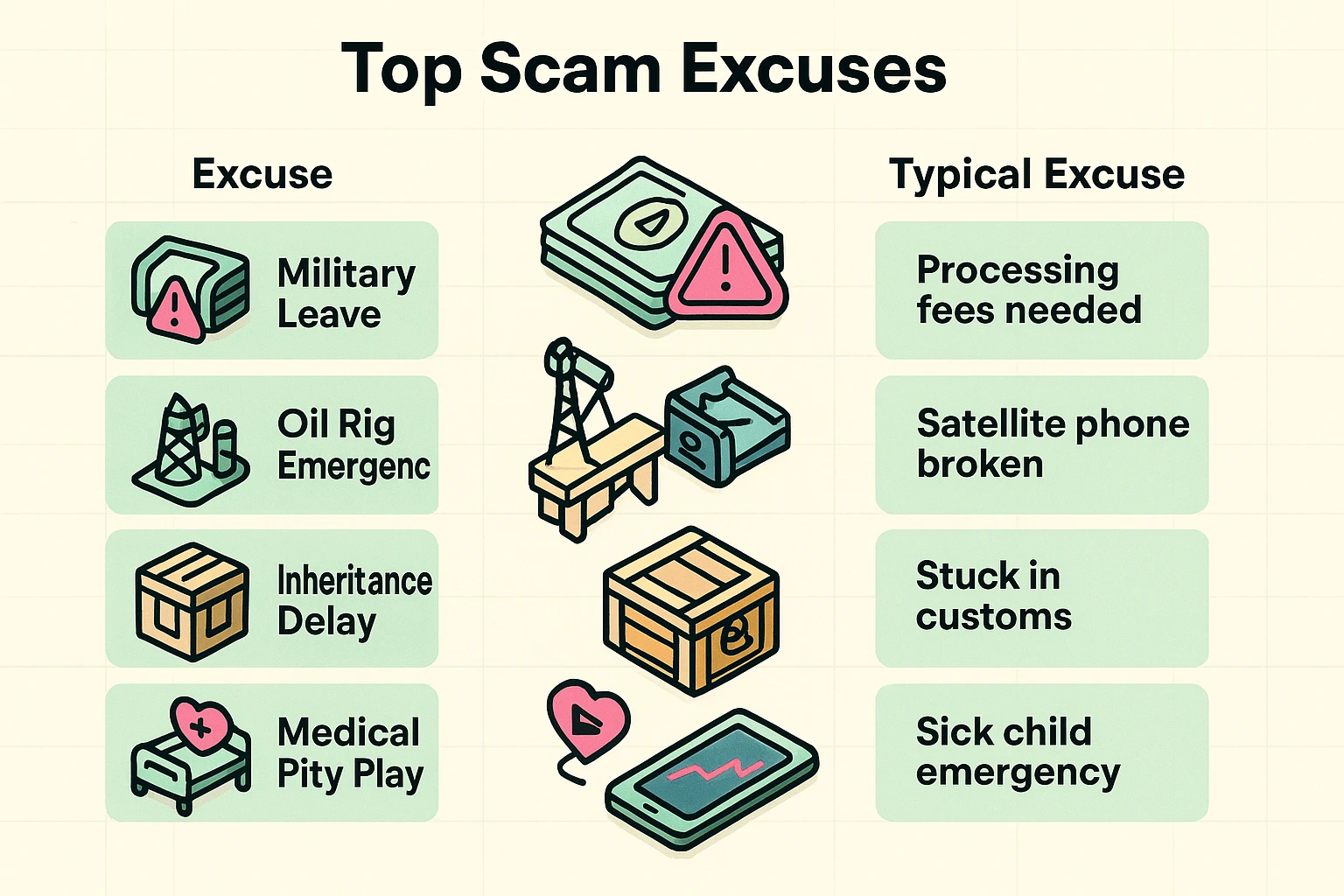
Scammers are nothing if not dramatic. They love a good storyline that explains why a supposedly wealthy, successful adult suddenly has zero access to their own bank account. Here are their greatest hits:
They claim to be a soldier deployed overseas in a highly classified location. They desperately want to visit you, but there’s a catch: they need you to pay a “leave processing fee” to their commanding officer.
The Reality: The U.S. Military does not charge its service members money to go on leave. Ever.
Your digital darling is an engineer on a remote oil rig. Suddenly, a crucial piece of equipment breaks, or their satellite phone runs out of minutes. If you don’t send money, they’ll lose their job!
The Reality: Multi-billion dollar oil companies do not rely on retirees in Ohio to fund their equipment repairs.
They are traveling for a lucrative “business deal” or trying to ship you a massive box of gold/inheritance money. Unbelievably, it gets stuck in customs! They need you to pay the mysterious “release fee.”
The Reality: Real customs agencies do not accept payment via wire transfers to random individuals or cryptocurrency.
This one pulls right at the heartstrings. Their child, sick mother, or even they themselves are suddenly hospitalized with a terrible illness or injury. The doctors won’t operate until the bill is paid.
The Reality: This is the ultimate guilt trip designed to make you feel like a monster if you refuse. It’s purely emotional manipulation.
Also known as “Pig Butchering,” this modern twist skips the tragedy. Instead, they want to “share” their success with you by showing you how to invest in cryptocurrency. They direct you to a fake trading site where your money quietly disappears.
The Reality: They aren’t financial wizards; they are just running a high-tech mirage.
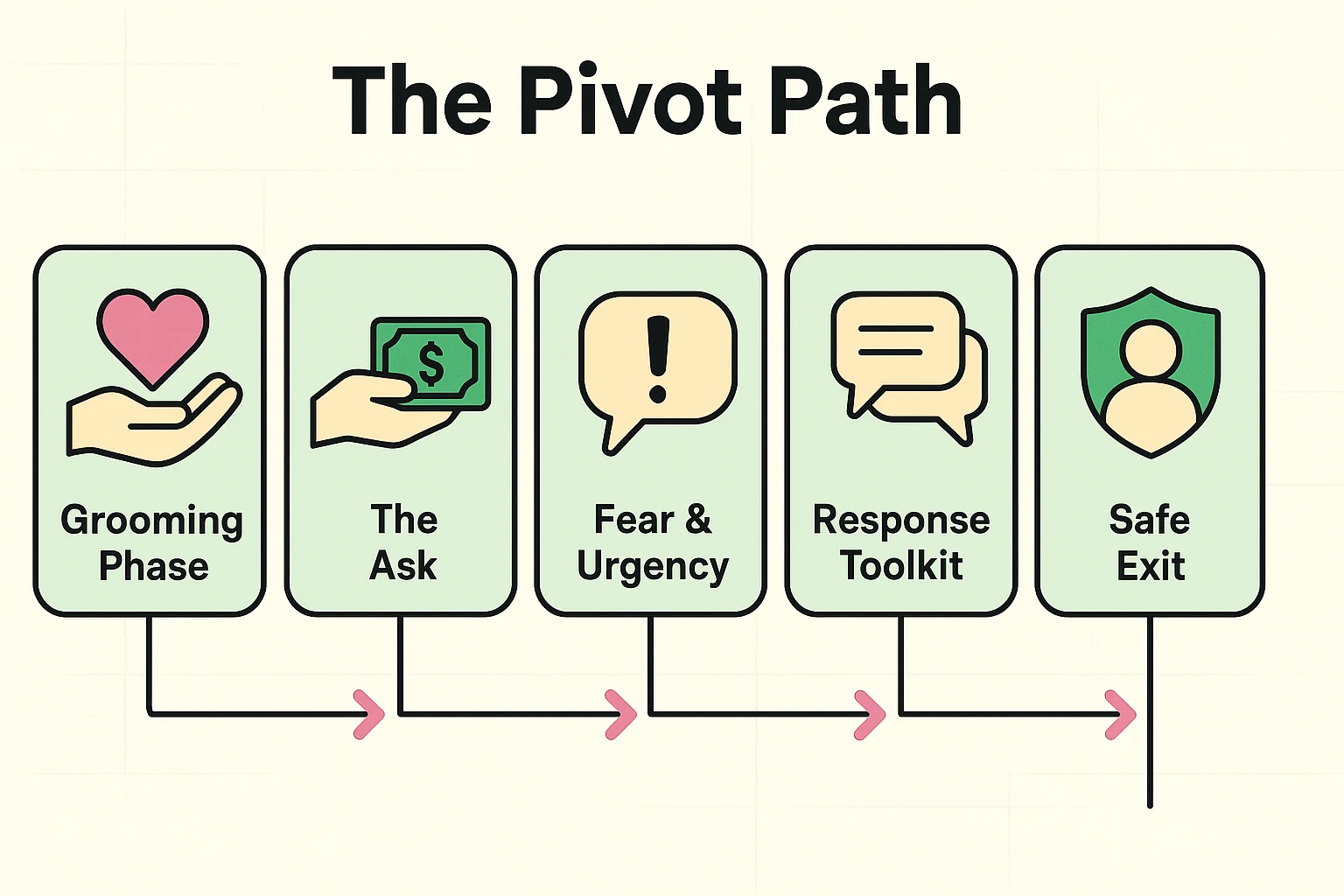
Saying no to someone you have grown to care about is incredibly hard. Scammers bank on your politeness and the “Sunk Cost Fallacy”—the idea that you’ve already invested so much time, you might as well see it through.
You need to set a “Rule of Finances” boundary early. If the conversation turns to money, here is your tiered script library to shut it down politely but firmly.
Use this at the very first mention of money or investing.
What to say: “I really enjoy our conversations, but I have a strict personal rule: I never discuss finances, investments, or send money to people I haven’t met in person. Let’s talk about something else!”
If they push back, try to guilt you, or claim it’s a “life or death” emergency.
What to say: “I hear that you are in a tough spot, but I cannot help you financially. I won’t be sending money, and I need you to respect that boundary if we are going to keep talking.”
If they continue begging, get angry, or try to make you feel guilty.
What to do: Stop typing. Do not explain yourself further. Block their profile, delete the messages, and report their account to the platform you are using.
If you’re unsure if a message is a scam, you can always run the scenario through a bitdefender scam detector to get an objective second opinion before responding. Likewise, if their phone calls start getting weird, or they only ring once and hang up, you might be dealing with a totally different scam. Educating yourself on stopping a wangiri fraud attack is a great next step to secure your phone lines.
Before you even get to the point where money is involved, you can play a little bit of digital detective. Scammers hate being tested, and they will always have an excuse for why they can’t prove who they are.
Here are three trap tests you can use to break the illusion.
1. The Video Call Test: Ask for a quick, 30-second live video call. If their camera is always “broken,” or the military “doesn’t allow video,” they are lying. Period.
2. The Local Knowledge Trap: If they claim to be from a specific city, ask them a casually tricky question. “Oh, you’re in Chicago right now? Did you see the crazy storm roll over the bean statue today?” (Make sure it was actually sunny). A real person will correct you; a scammer will play along.
3. The Business Check: If they claim to own a business that suddenly needs funding, don’t just take their word for it. Always check their website for obvious red flags like bad grammar, stock photos, or broken links.
Because scammers are expert manipulators. They use a tactic called the “Pity Play.” They intentionally craft scenarios to make you feel like their survival depends on you. It’s not love; it’s psychological hacking.
Scammers steal IDs from previous victims or generate fake ones online. A photo of a driver’s license proves absolutely nothing on the internet.
Unfortunately, it is very rare. Money sent via wire transfer (like Western Union), gift cards, or cryptocurrency is almost impossible to trace or recover. If you sent money via a bank transfer, contact your bank’s fraud department immediately—sometimes, if you catch it within hours, they can halt the transaction.
No. Scammers are relentless. If they know you are willing to talk, they will eventually try other angles, or they may try to extract personal information to steal your identity. The safest move is always to block and delete.
Navigating the world of online socializing shouldn’t require a degree in criminal psychology. But by understanding the scripts these scammers use, you take away their most powerful weapon: surprise.
Remember, true companionship doesn’t come with an invoice. You are completely within your rights to set firm boundaries around your personal finances. Keep your heart open, but keep your wallet securely zipped—and leave the oil rig rescues to the professionals!