How to Set Up Medical ID on Your iPhone (Without Pulling Your Hair Out)
Listen up iPhone users. Seriously. The info here can be truly lifesaving.
It’s about setting up Medical ID on your iPhone.
What is Medical ID on iPhone?
Medical ID is a feature that stores your essential health information, like allergies, medical conditions, medications, and emergency contacts.
Even if your phone is locked, first responders can access this info to provide you with the right care quickly.
It’s like having a trusted friend who knows all your important health details, ready to speak up for you when you can’t. Setting it up is quick and easy, ensuring that your vital information is always at hand in case of an emergency.
Why You Should Set Up Medical ID
I’m not going to tell you why you should set this up. Instead, I’m going to let an ER doc do it. This is what the doctor said when someone asked about it in an online forum:
I’m a doctor and have used it multiple times in the emergency room. When I used it, it was because the patient was brought in by ambulance and was disoriented, intoxicated, or unconscious. It helped me identify them so I could look them up in our medical record system and figure out if they had other medical problems that needed to be considered, like diabetes, heart failure, or medication allergies.
It also helped me figure out if there were family members I could call for medical decision making and updates. I think it’s a great feature of the iPhone; mine is filled out and I told all of my family members to fill theirs out as well.
The Downsides (Because Nothing’s Perfect)
Before we get to the steps, a few cautions:
Privacy: Your Medical ID can be viewed from your lock screen if “Show When Locked” is on. Anyone who finds your phone can see those details.
Out-of-date info: If your health or medications change and you forget to update the entry, first responders could see outdated data.
Regional Limitations and Settings:
“Share During Emergency Call” and enhanced-data features may not be available everywhere.
If you’ve disabled Emergency Calls & SOS under Settings › Privacy & Security › Location Services › System Services, your Medical ID data won’t be shared automatically during a call.
Keep these toggles on if you want the full feature set to work.
So yes, use it — but keep it current and review it once in a while.
How to Set Up Medical ID (Step-by-Step)
Alright, let’s get down to the brass tacks here and get Medical ID set up on your iPhone!
(Note: Tech companies love rearranging things. If the instructions below aren’t exact, the tech fairies have probably moved things around. Try searching for the setting on your device. If that doesn’t work, ask a trusted friend or family member for help, or do a quick web search for instructions using your device model and software version.)
How to Set Up Medical ID ( iOS 17 / iOS 18 Workflow )
Apple quietly rearranged a few things, so here’s the latest way:
Open the Health App Tap the white icon with the red heart. In the Summary tab, tap your profile picture or initials in the top-right corner.
Select Medical ID → Edit Tap Medical ID, then Edit (top right). (If you haven’t made one before, tap Create Medical ID.)
Fill in Your Info Add what matters most:
Name & photo
Medical conditions
Medical notes (yes, “prefers burnt toast” is optional)
Allergies & reactions
Medications
Blood type (optional)
Weight & height (optional)
Emergency contacts (with their relationship)
Enable Two Important Toggles
Show When Locked → lets first responders see your info without unlocking your phone.Share During Emergency Call → sends your Medical ID automatically to emergency services when you make a 911 (or local equivalent) call.
Apple notes that this data is encrypted and only shared during the call itself.
Add Organ Donor Status (Optional) You can now register or note your donor preference directly in this screen.
Review and Save Double-check the info, then tap Done in the top-right corner. Congratulations — you’re officially set up.
How to Set Up Medical ID (For Older Versions of iOS)
Go to Settings and Find “Health”:
Open up the Settings on your iPhone. Then scroll down until you see the “Health” option. It’s the one with the white background and a little red heart. Tap on it.
Go to Medical ID:
Tap “Medical ID.”
Create Medical ID:
Tap Create Medical ID. Now, this is where the magic happens.
Fill in Your Information:
Here’s where you’ll enter all your important details. Just tap the plus button next to a field to enter your info including:
Name and Photo: So first responders know it’s really you.
Medical Conditions: List any conditions you have, like diabetes or allergies to cats.
Medical Notes: Add anything else important, like if you’re a Jedi or prefer your toast slightly burnt.
Allergies & Reactions: Mention any allergies, like peanuts or the neighbor’s loud music.
Medications: List any meds you’re taking.
Blood Type: If you know it, add it here. If not, maybe it’s time to find out!
Weight and Height: Your actual weight and height 😉
Emergency Contacts: Add the people you’d want to be called in an emergency, like your favorite child or the neighbor who bakes you cookies.
Enable “Show When Locked”:
Make sure the “Show When Locked” option is turned on. This allows first responders to access your Medical ID without needing to unlock your phone.
Review and Save:
Once you’ve filled in all your information, review it to make sure everything is correct. Then, tap “Done” in the top right corner. Congratulations, you’ve just set up your Medical ID!
How to Access Medical ID in an Emergency
Even if your phone is locked:
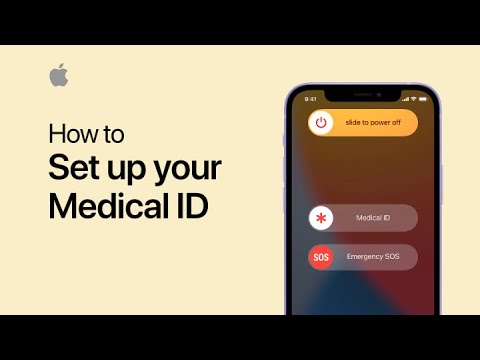
From the lock screen, tap Emergency › Medical ID.
On newer iPhones (Face ID models): press and hold the Side button + Volume button until the Emergency screen appears; tap Medical ID there.
If you trigger Emergency SOS, and “Share During Emergency Call” is on, your Medical ID is automatically shared with emergency dispatch and your contacts may be notified.
Keep It Updated (and Synced)
Your Medical ID can sync with your Apple Watch, so first responders can see it from your wrist too. Whenever your meds, allergies, or contacts change, open the Health app and edit your info. Old data is almost as bad as no data.
Final Thoughts
And there you have it, folks. Your iPhone is now more than just a device for funny cat videos and endless games of Candy Crush. It’s a tiny, life-saving superhero in your pocket.
Stay safe, stay healthy, and maybe give your iPhone a little thank you for being so darn helpful!