Newsletter Subscribe
Enter your email address below and subscribe to our newsletter

Enter your email address below and subscribe to our newsletter
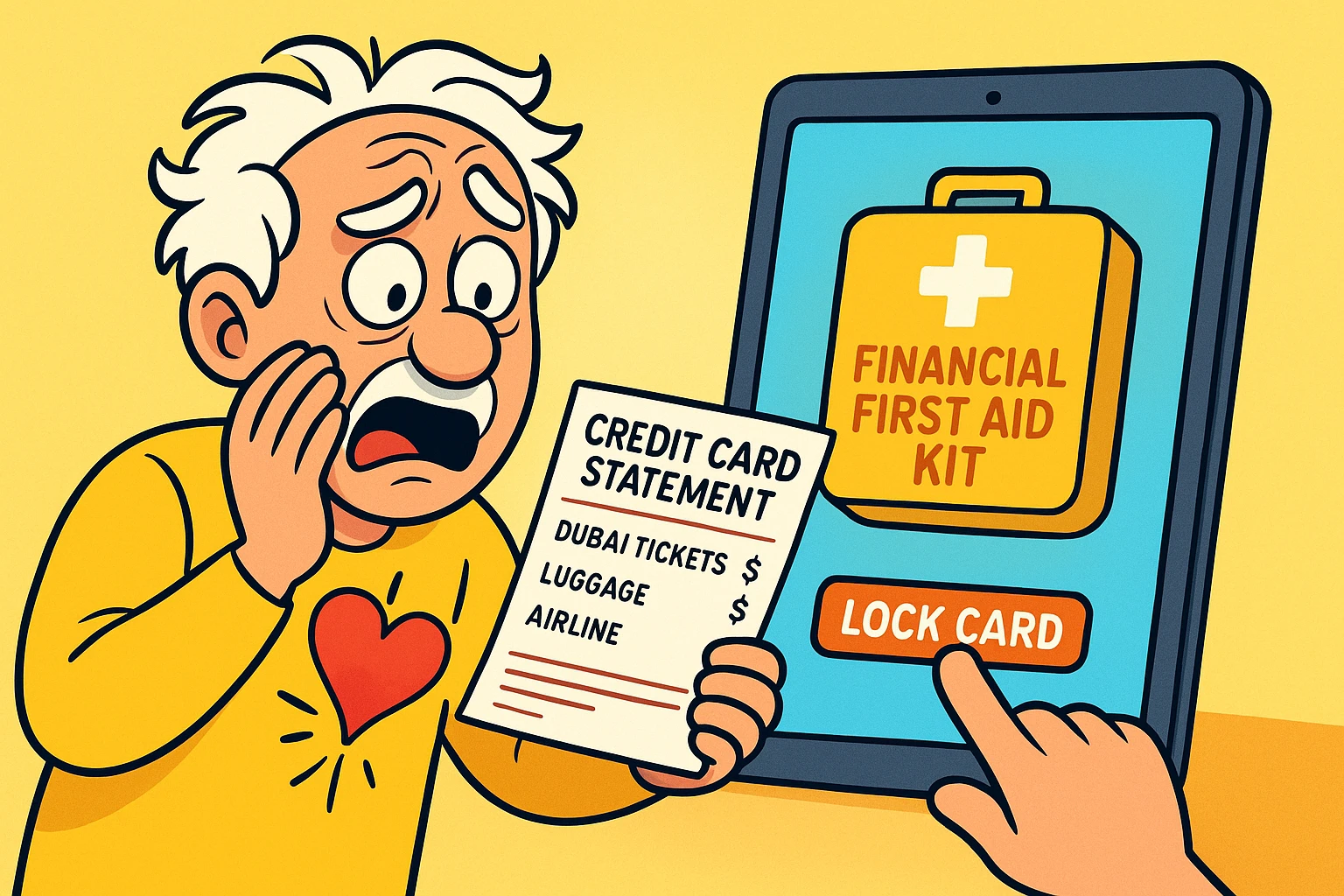
Have you ever opened your credit card statement, expecting to see your usual grocery trips and that one extravagant purchase of premium birdseed, only to discover you apparently bought four first-class tickets to Dubai and a lifetime supply of protein powder? Your heart drops into your stomach. Your blood pressure spikes. You suddenly feel the urge to bury your wallet in the backyard and live entirely on bartered root vegetables.
If this sounds familiar, take a deep breath. You are not alone, and you are not powerless. Finding out your card has been compromised is one of life’s great, universal shocks, ranking right up there with accidentally turning on your smartphone’s front-facing camera from a low angle. But before you panic and decide to live completely off the grid, let’s get you sorted out.
Consider this guide your “Financial First-Aid Kit.” We are going to walk through exactly what to do, what to say, and how to protect yourself. Remember, you are not a victim here; you are a survivor of modern digital nonsense. Let’s fix this together.
When you first spot a strange charge, your instinct might be to call everyone you know or start frantically moving money around online. Stop. Just like treating a scraped knee, our first goal is simply to stop the bleeding.
First, lock your card. Most banks now have a simple “Lock Card” switch right inside their smartphone app or website. Flipping this switch instantly blocks any new purchases, giving you room to breathe and figure out your next move.
Second, do not transfer any money yourself. Scammers will often call you, pretending to be your bank, and tell you to “move your money to a safe account.” This is a trap! A real bank will never ask you to transfer your own money to protect it.
Before we call the bank, let’s translate some of the technical mumbo-jumbo they might throw at you. Banks love using complicated words for simple things.
Now that we are calm and the card is locked, it is time to call for backup. You want to call the phone number listed on the back of your physical card. Never call a number sent to you in a text message or an email, as those are often fakes set up by the scammers.

When you get a human on the line, you don’t need to overthink it. Just read this script: “Hello, I am looking at my statement and I see unauthorized charges. I need to report fraud, cancel this card, and get a new one issued.”
Make sure you write down the date, the time, the name of the representative you spoke with, and your official case number. Having this information written down gives you massive leverage if the bank ever gets confused later on. Once you’ve made this call, take a sip of coffee. You are already 50% safer!
Here is a massive secret that banks rarely explain clearly: how much money you might lose depends heavily on which piece of plastic the scammer got their hands on. Credit cards and debit cards are not created equal when it comes to the law.
If a scammer steals your Credit Card number, federal law caps your personal liability at just $50, and most major cards will waive even that. You are playing with the bank’s money, so the bank works very hard to get it back.
However, if a scammer steals your Debit Card information, they are pulling cash directly out of your checking account. If you wait more than 60 days to report a debit card theft, your legal liability can be unlimited. This is why reporting suspicious activity immediately is so critical.
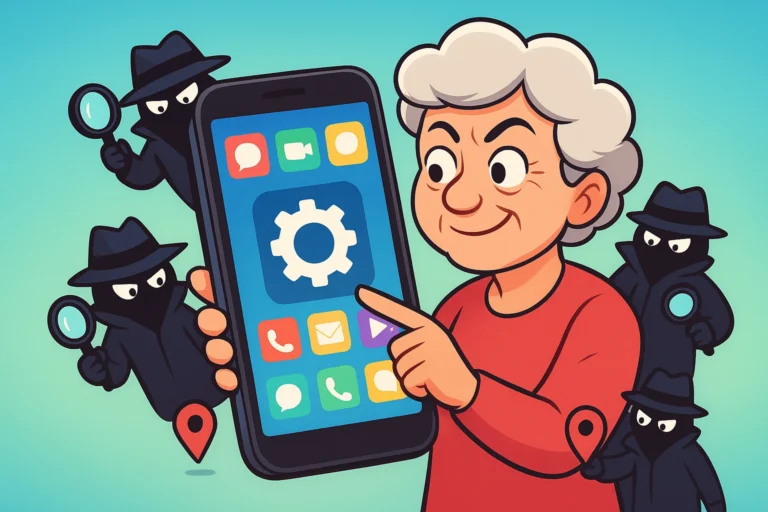
You might be wondering, “How on earth did they get my information while my card was sitting safely in my wallet?” Often, scammers rely on psychological tricks rather than computer hacking. They use a method we call the “4 Ps.”
This leads us to the infamous “Transfer Trap.” If anyone ever calls you and tells you to add money from a credit card to a bank account, or demands you buy gift cards to resolve an issue, hang up the phone. Legitimate businesses do not accept iTunes gift cards as payment for back taxes.
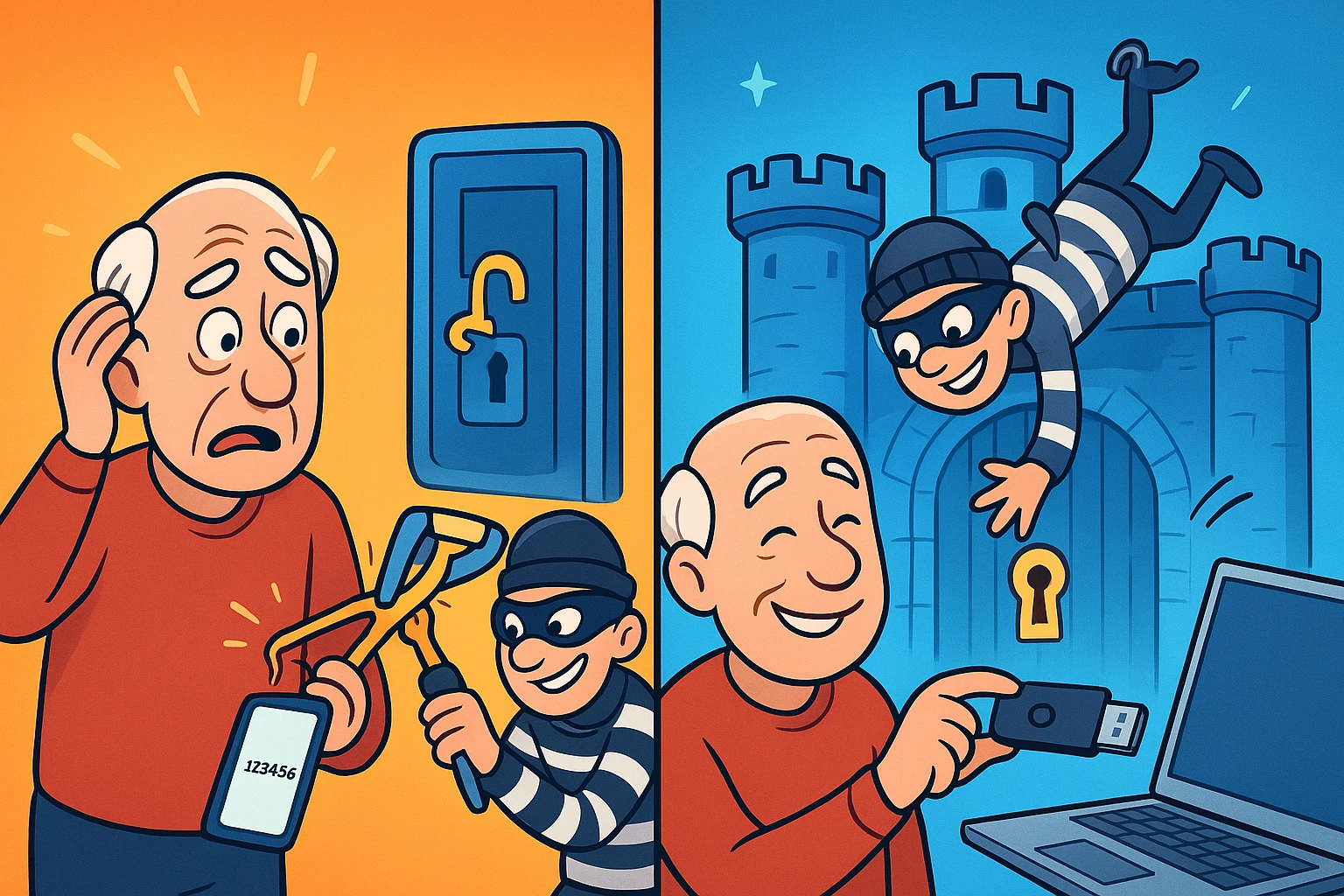
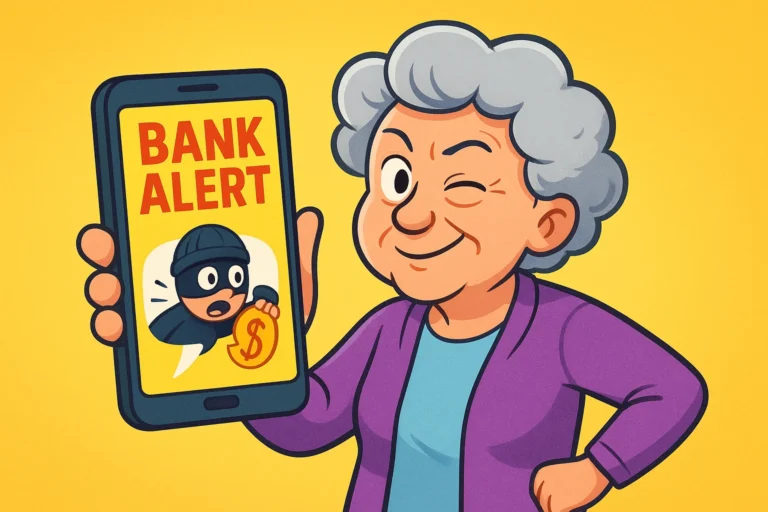
Once the dust has settled and your shiny new card arrives in the mail, it’s time to build a digital fortress. The easiest way to stop fraud in its tracks is to ask your bank to turn on “transaction alerts.” This means your phone will ping with a text message every time your card is used, allowing you to catch scammers instantly.
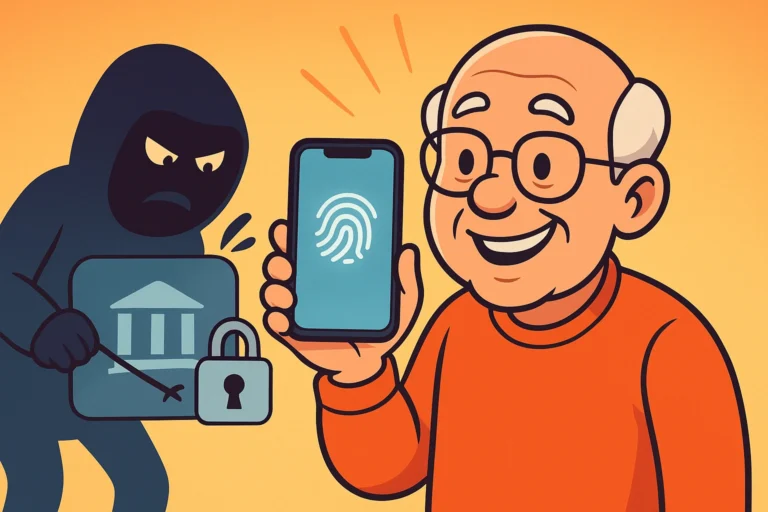
To add an extra layer of armor to your digital life, you’ll also want to learn how to set up strong auth for your bank accounts. It sounds technical, but it simply means the bank will ask for a special code sent to your phone before letting anyone log in. It is like putting a deadbolt on your front door instead of just a chain.
Finally, if you get a strange email or text from a company claiming there is a problem, don’t click the links in their message. Always open your web browser and double-check their website by typing the address yourself. This ensures you are looking at the real business and not a clever fake designed to steal your passwords.
If you report the fraud quickly, yes! Credit card charges are usually reversed within a few days. Debit card funds might take a week or two to be returned while the bank investigates, which is why acting fast is crucial.
Usually, no. If someone just stole your card number, the bank only needs to cancel that specific card and issue a new one. Your actual bank account number and your routing number remain perfectly safe.
Local police rarely have the resources to track down international internet scammers. However, you should absolutely report the fraud to the Federal Trade Commission at IdentityTheft.gov. They use these reports to build massive cases against scam rings.
Having your card hacked is incredibly frustrating, but it does not mean you are bad at technology. The bad guys are getting craftier, and even top cybersecurity experts get fooled from time to time!
The goal isn’t to be perfect; the goal is to know exactly what buttons to push when things go wrong. By keeping this guide handy, you are taking control of your digital wallet. Now go ahead and make yourself a cup of tea—you’ve earned it, and your money is safe.