Newsletter Subscribe
Enter your email address below and subscribe to our newsletter

Enter your email address below and subscribe to our newsletter
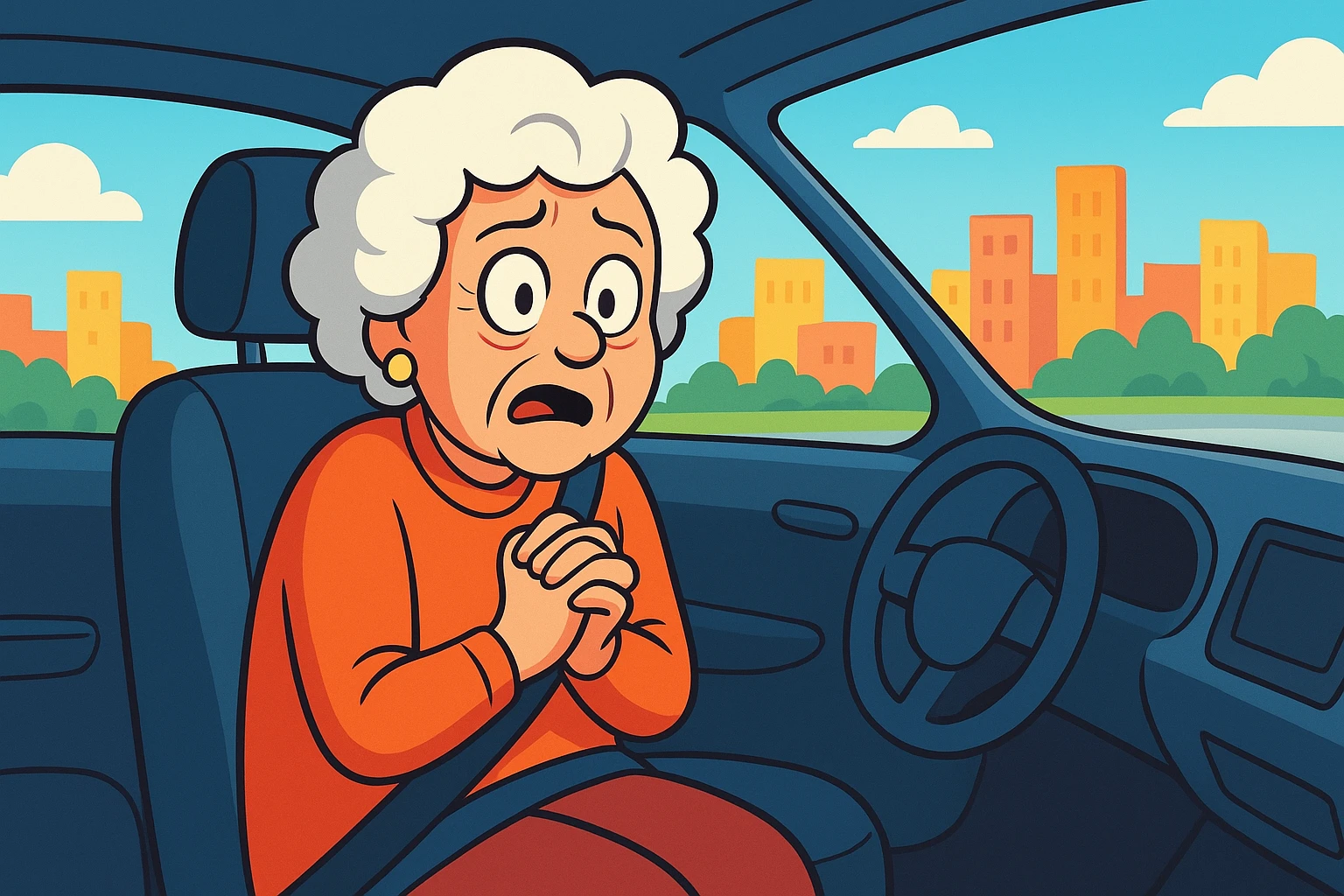
Imagine being a teenager in driver’s ed, gripping the steering wheel so hard your knuckles turn white, while a grumpy gym teacher stomps on an imaginary passenger-side brake pedal. Now, imagine giving up that steering wheel entirely to a computer. We are talking about a computer that occasionally gets confused by a household toaster, let alone a four-way stop at rush hour.
For decades, driving has been the ultimate symbol of adult independence and freedom. Handing the keys over to an invisible robot chauffeur feels like asking your microwave to do your taxes. It feels unnatural, slightly ridiculous, and frankly, a little terrifying.
But self-driving cars aren’t just sci-fi movie props anymore. They are actively rolling onto our streets, promising to keep us mobile and independent long after we decide we’d rather not navigate nighttime traffic. The trick is figuring out how to get comfortable with them without breaking out in a cold sweat every time the car approaches a traffic light.
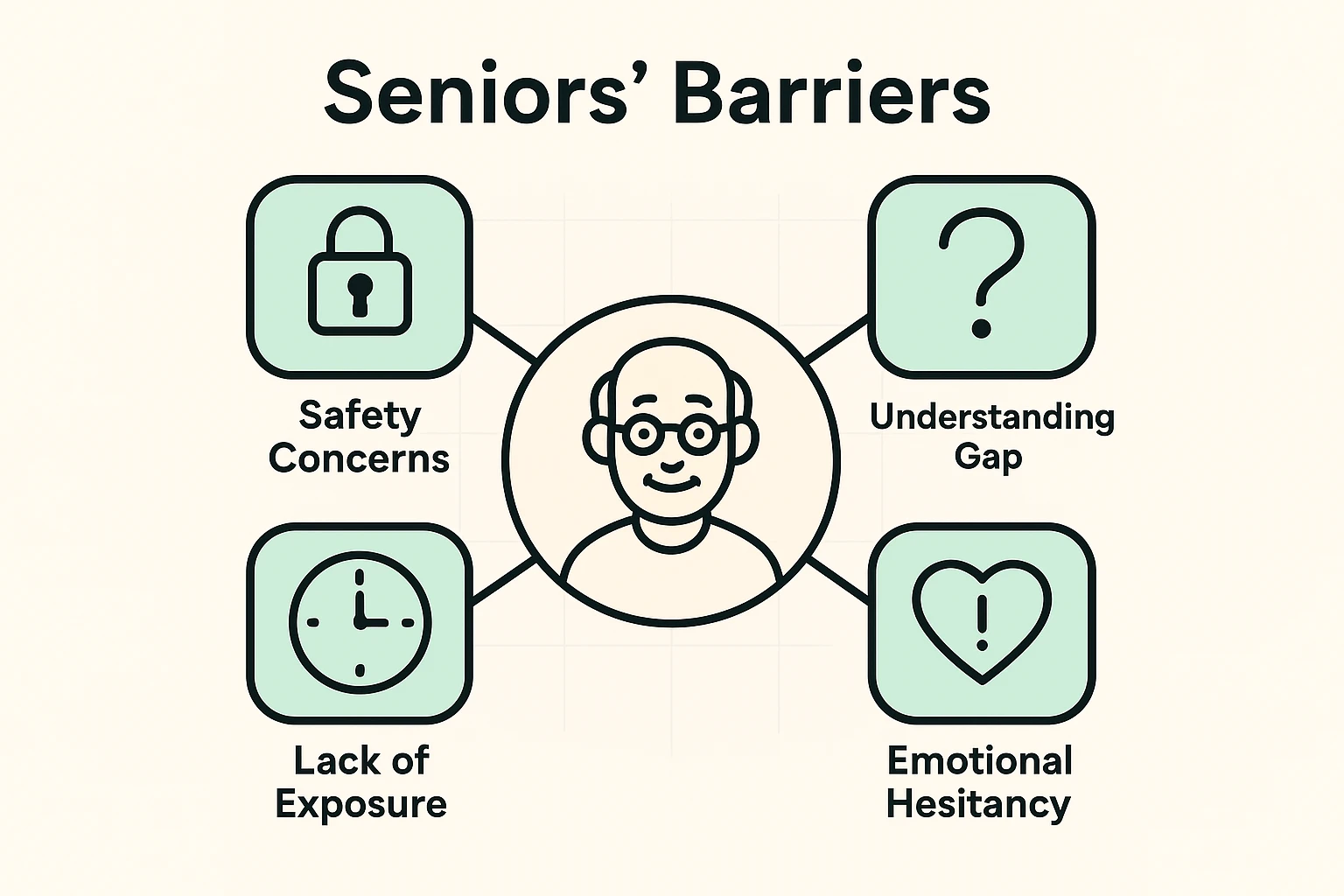
Let’s address the elephant in the room right away: your hesitation is completely justified. Being skeptical of new technology doesn’t mean you’re “too old to learn” or hopelessly stuck in the past. It simply means you have a lifetime of experience dealing with machines that inexplicably glitch, freeze, or break down.
We have all fought a desperate, losing battle with a printer that flat-out refuses to print for no apparent reason. It is entirely logical to ask, “Why on earth would I trust that same level of technology going 65 miles per hour down the highway?” Plus, we are used to making eye contact with other drivers to figure out who goes first at a stop sign.
We know how to read the subtle body language of a squirrel deciding whether to dart into the road. A computer uses sensors, lasers, and code that looks like digital alphabet soup to make those same decisions. Naturally, giving up control to something we can’t make eye contact with triggers our inner alarm bells.
You don’t have to wake up tomorrow and blindly trust a driverless pod to take you to the grocery store. Building trust with this technology is a gradual process, much like learning to trust a new hair stylist. You don’t let them chop off six inches on the first visit; you start with a trim.
The first step is simply understanding the basic tech without all the Silicon Valley jargon. These cars aren’t performing magic tricks. They are essentially playing a highly advanced game of “I Spy” using a series of cameras and sensors to map the world around them.
Once you know the car isn’t operating on witchcraft, the next step is a gentle introduction. This means starting as a passenger in a modern car that has “driver assist” features, with a fully awake, human driver still holding the wheel.
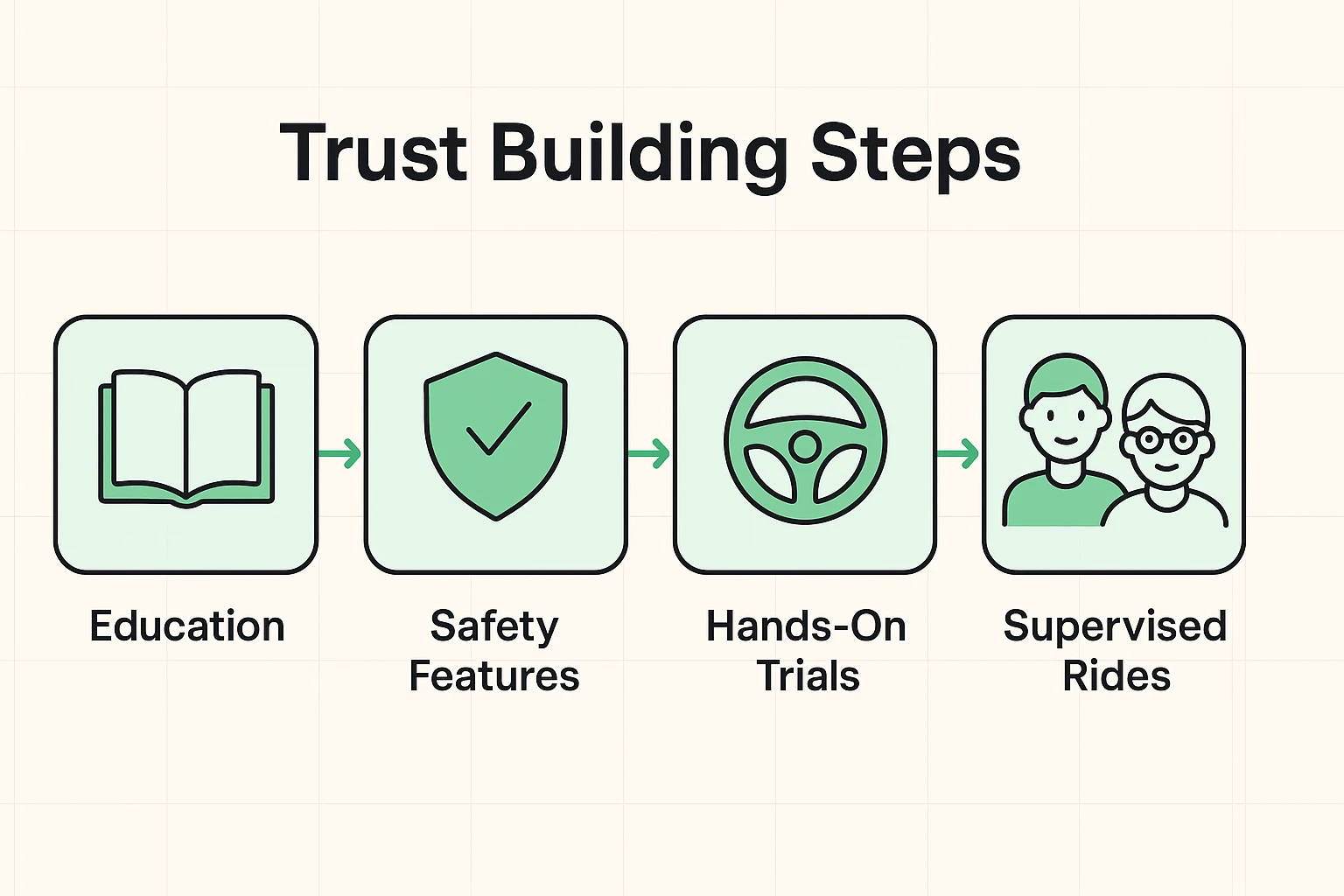
To feel safe, you need to know what your car is actually “seeing.” Think of a self-driving car as a cautious superhero with 360-degree vision. Cameras act as the car’s eyes, constantly scanning for stoplights, pedestrians, and stray shopping carts.
Meanwhile, radar senses the speed and distance of other cars, cutting through rain and fog like a bat navigating in the dark. Then there’s something called LiDAR, which uses rapid light pulses to draw an incredibly detailed 3D map of absolutely everything around the car.
The best part? Unlike your Uncle Frank after a heavy Thanksgiving meal, the car’s computer never gets drowsy. It never texts, it never fiddles with the radio dial, and it never gets distracted by a flashy billboard. It is paying 100% attention, 100% of the time.
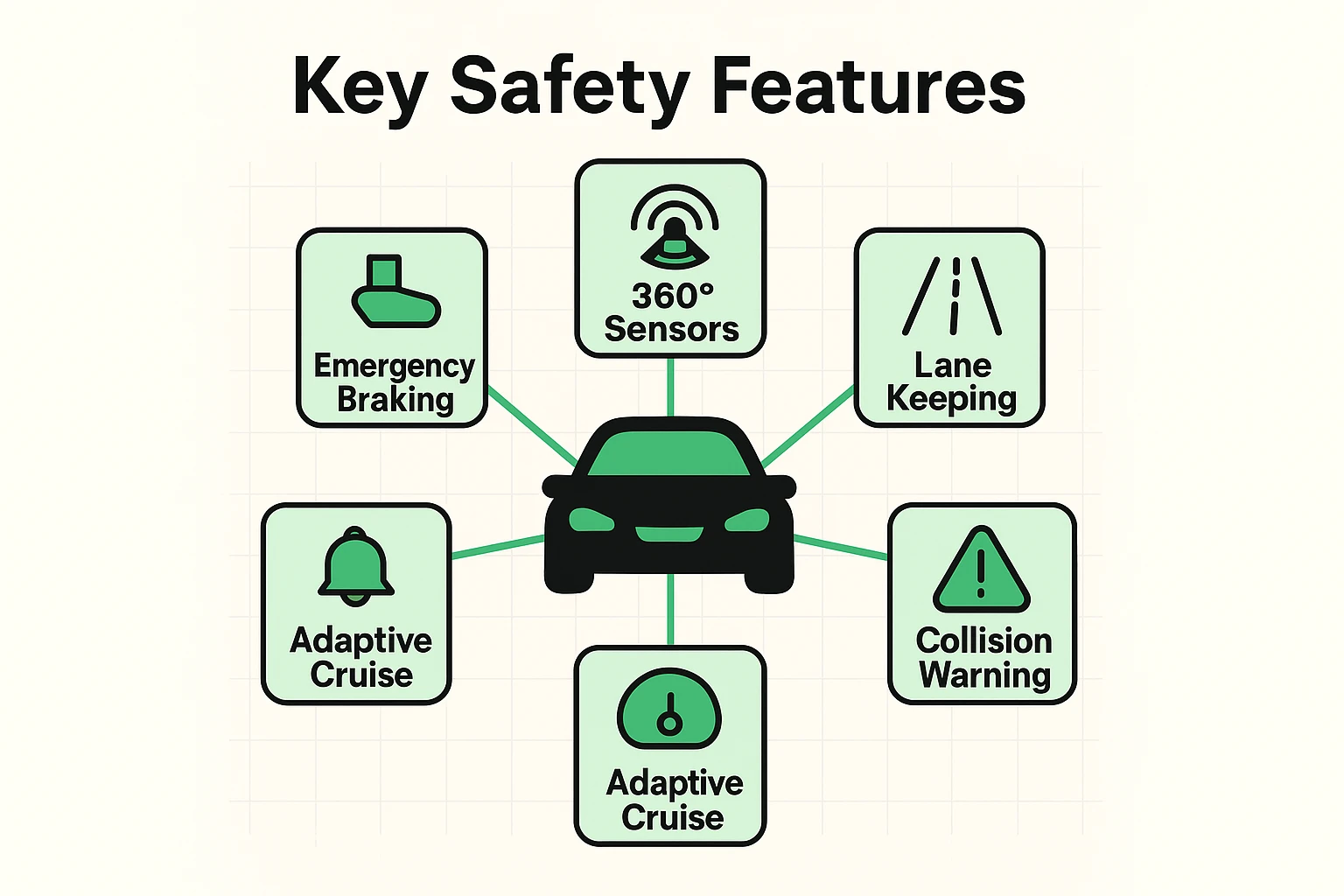
If you want to dip your toes into the autonomous waters, start with the car sitting in your driveway right now. Many modern vehicles come with features like lane-assist (which nudges you back if you drift) or automatic emergency braking. Think of these tools as digital training wheels that prove the car can, in fact, help you out.
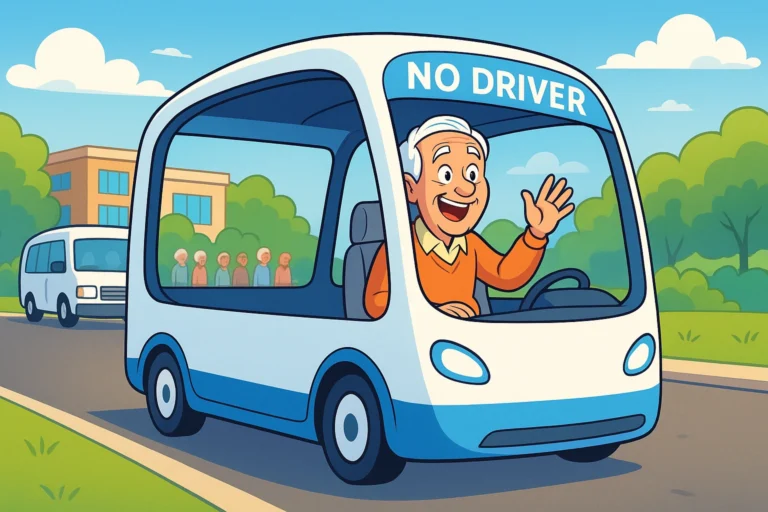
When you’re ready for the next step, keep an eye out for autonomous ride-sharing services like Waymo, which are popping up in more and more cities. Book a short, five-minute trip in broad daylight on a quiet street.
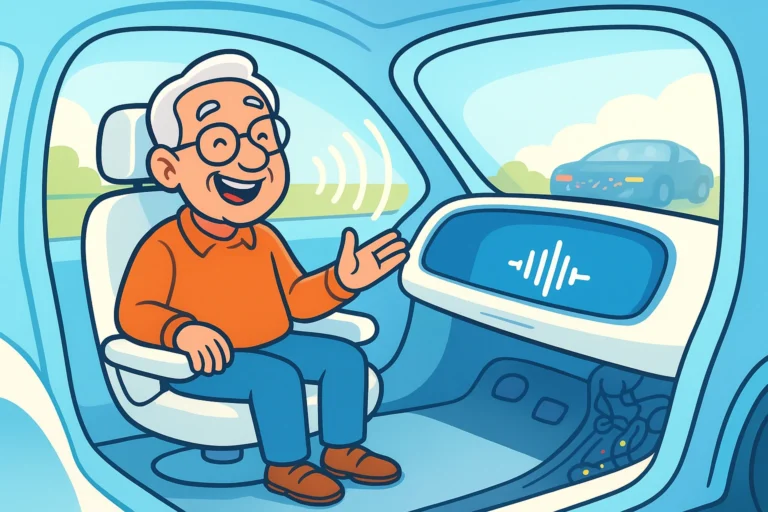
Bring a friend along for moral support. Bring some snacks. Treat it like a mildly thrilling amusement park ride rather than a daily commute, and you might just find yourself enjoying the novelty of being chauffeured by a computer.
Unlike your home laptop, which gives up the ghost if you open too many browser tabs, self-driving cars are built with massive “redundancies.” That is a fancy tech word meaning they have backup computers for their backup computers. If one system fails, another immediately takes over to safely pull the car over.
Automakers know this is a huge fear, so they treat the cybersecurity of these cars like a digital Fort Knox. The systems controlling the steering and braking are heavily separated from the outside internet. While nothing is 100% unhackable, the chances of a rogue teenager taking over your car are incredibly slim.
Right now, yes. Most “self-driving” features on the market today (like Tesla’s Autopilot) actually require you to keep your hands on the wheel and your eyes on the road. Truly wheel-less, pedal-less cars are currently only used by specific taxi services in heavily mapped areas, not the ones you’d buy at a dealership today.
Learning to trust self-driving technology isn’t something that happens overnight. It requires patience, education, and a willingness to let go of the control we’ve held onto since we first got our driver’s licenses.
But the potential payoff is enormous. This technology isn’t just about flashy gadgets; it’s about ensuring that we can all keep going to the doctor, visiting friends, and getting our own groceries, even if our eyesight or reflexes aren’t quite what they used to be.
Take it one step at a time. Read up on the safety features, try out the driver-assist tools in modern cars, and ask questions. Before you know it, you might just find yourself happily sitting in the passenger seat, letting the robot handle the rush hour traffic while you finally beat that challenging crossword puzzle.