Newsletter Subscribe
Enter your email address below and subscribe to our newsletter

Enter your email address below and subscribe to our newsletter
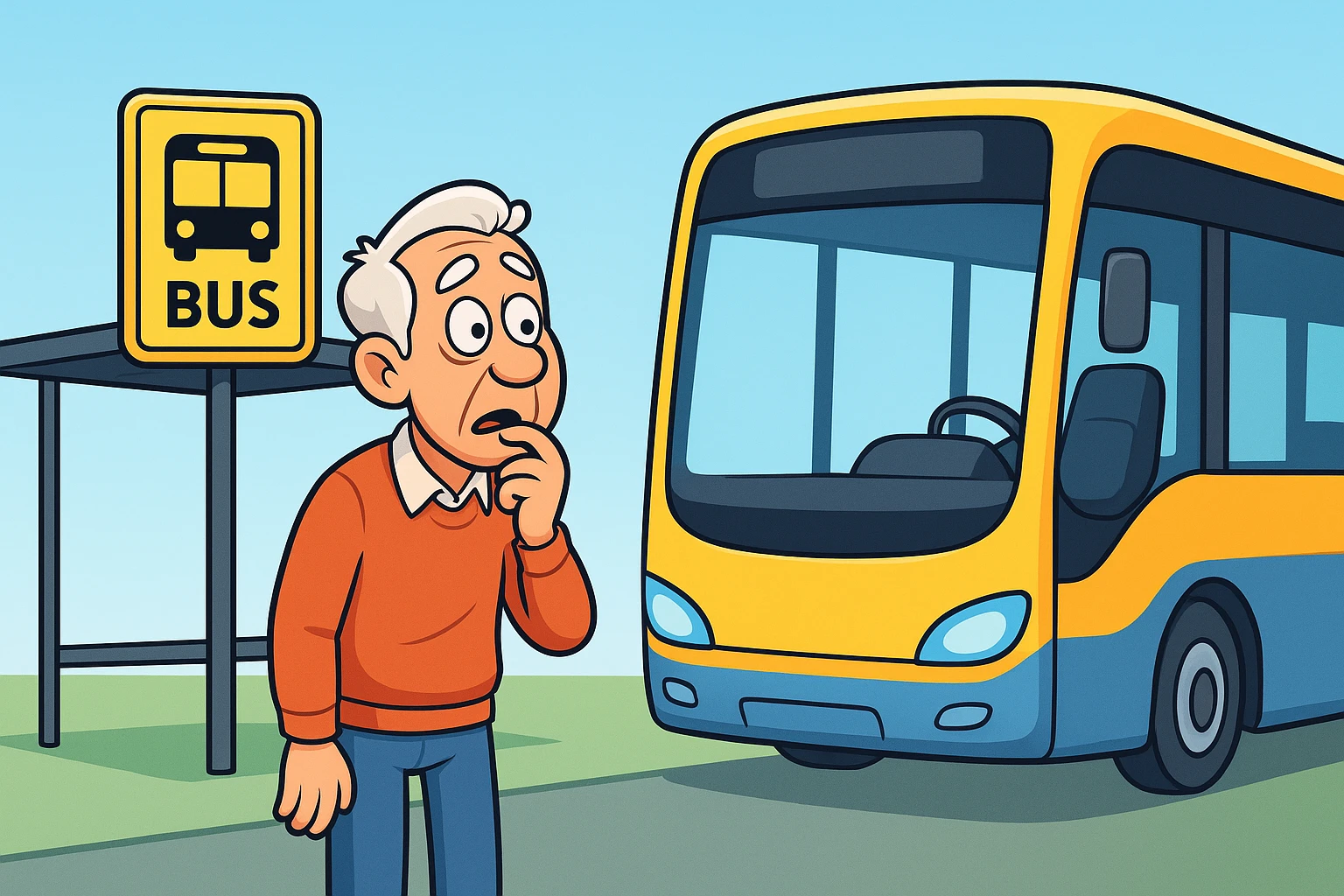
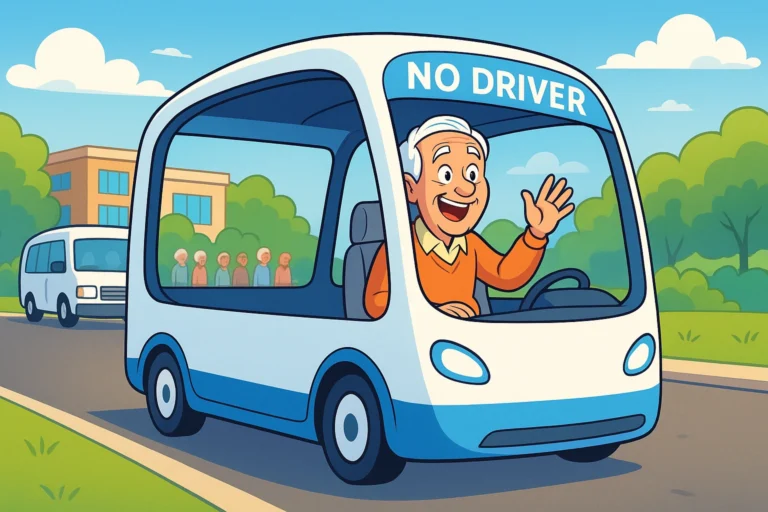
Picture this: You are standing at your local bus stop, armed with your umbrella and a to-do list. A sleek, modern bus pulls up, the doors hiss open with a welcoming swoosh, and you step aboard only to realize there is absolutely no one sitting in the driver’s seat. Your first instinct might be to assume a ghost has taken the wheel, or perhaps that you’ve accidentally wandered onto the set of a futuristic sci-fi movie.
If your immediate reaction is to slowly back away and wait for a taxi, you are not alone. The idea of “driverless” public transportation sounds like something out of The Jetsons, and frankly, trusting a computer to navigate downtown traffic can feel deeply unnatural. After all, we grew up in an era where buses were driven by actual humans who occasionally yelled at traffic and knew exactly how to avoid those giant potholes on Elm Street.
But here is the surprisingly good news: automated public transit isn’t here to make our lives more complicated or terrifying. In fact, these new systems are specifically designed to be infinitely more patient, reliable, and smooth-riding than traditional transit. Once you understand the basic “magic” behind how they work, you might actually find yourself preferring the robot bus over the regular one.
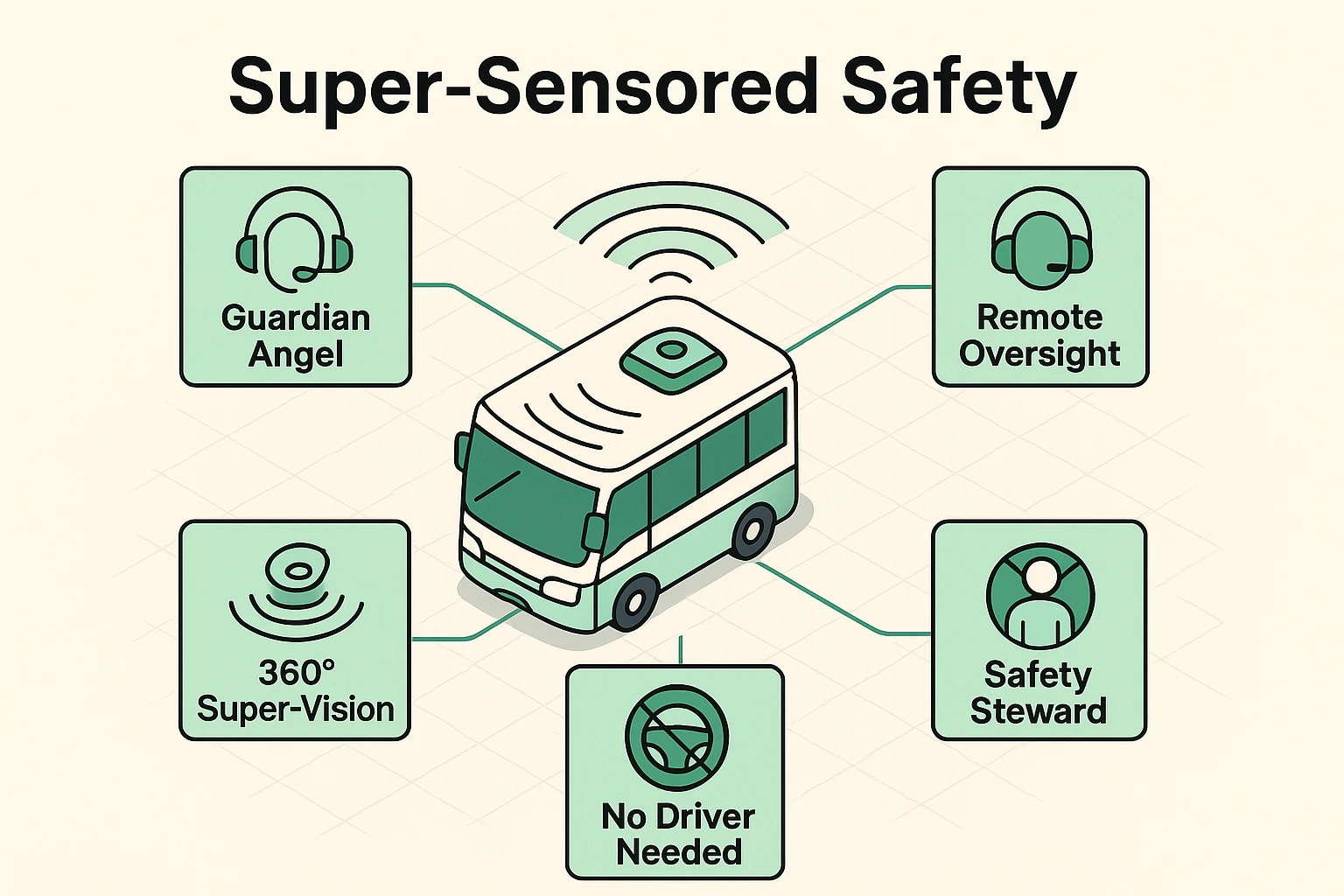
The term “driverless” is actually a terrible name that mostly just causes unnecessary anxiety. A better term would be “super-sensored.” These buses are outfitted with technology called LiDAR, which acts like 360-degree super-vision. Unlike a human driver who might get distracted by a rogue fly in the cabin or a glaring sun, the bus never blinks, never gets tired, and can literally see in the dark.
But the bus isn’t just wandering the streets completely unsupervised, making its own choices like a rebellious teenager. These vehicles are constantly connected to a “remote human monitor.” Think of this person as your digital guardian angel. They are sitting in a comfortable control room, watching a live video feed of everything happening inside and outside the vehicle, ready to take over if the computer gets confused.
Furthermore, many of these “driverless” buses aren’t actually human-free. In almost all current trials, there is a human “Safety Steward” or “Ambassador” riding right there in the cabin with you. Their entire job is to help you board, answer your questions, and ensure you feel completely safe while the computer handles the tedious work of steering.
Using an automated transit system isn’t harder than riding a regular bus, but the choreography is a little different. Many of the old ways of paying with exact change are going the way of the rotary phone. Here is your simple, step-by-step guide to riding the bus of the future with total confidence.
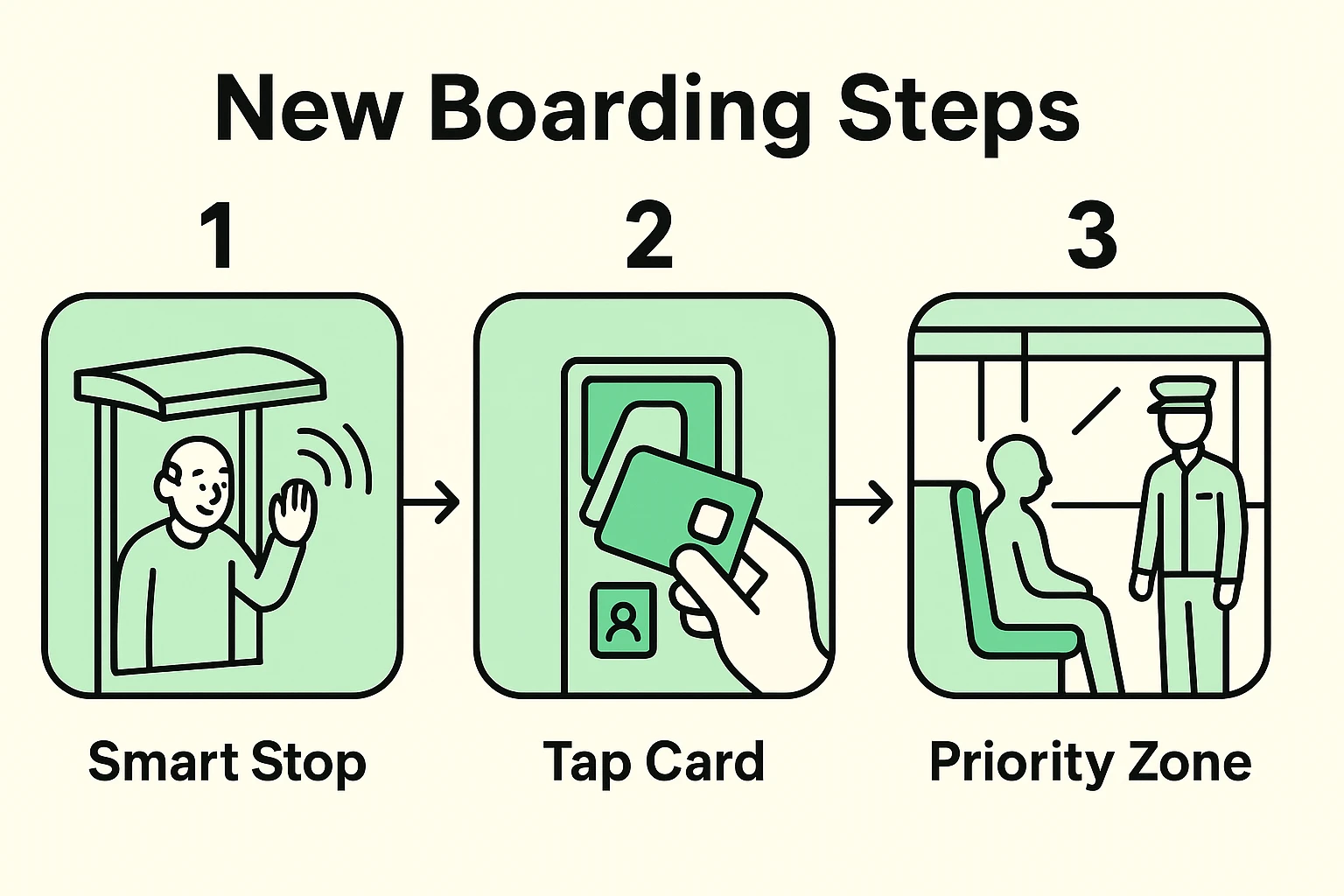
You don’t need to frantically wave your arms at an automated bus to get it to stop. These modern transit pods operate on precise routes with “smart stops.” If you are standing at the designated stop, the bus’s sensors will see you from a mile away and gently pull over. Just stand comfortably by the sign and wait for the doors to open entirely on their own.
Most next-gen transit relies on a “Tap & Ride” system. You’ll simply tap your smartphone, credit card, or special transit card on a glowing digital reader near the door. But beware of the dreaded “Payment Clash!” If you tap your entire wallet against the reader, the machine will get confused by all your different cards having a digital fistfight inside your purse. Always take out the specific card you want to use to avoid being charged the wrong fare.
Also, don’t worry about losing your hard-earned senior discount! For systems like NJ Transit or the London Oyster, you can register your age-based discount to a specific card or smartphone app ahead of time. Once they are linked, the machine will automatically recognize you as a senior the moment you tap, gracefully applying your discount without you having to announce your birth year to the whole bus.
Automated shuttles are famously accessible. The vehicles often “kneel” closer to the curb than traditional buses, and they won’t aggressively accelerate before you sit down. Take your time, find the clearly marked “Priority Zone” near the front, and settle in. If there is an onboard Ambassador, they will happily ensure your walker or shopping bags are securely stowed.
Because computers are designed to prioritize safety above absolutely everything else, you might experience what engineers call a “Pause.” If a plastic grocery bag blows across the street, a human driver might ignore it, but an automated bus will politely stop until the “obstacle” clears. If the bus stops suddenly, it isn’t broken; it is just being overly cautious, like a nervous student driver taking their driving test.
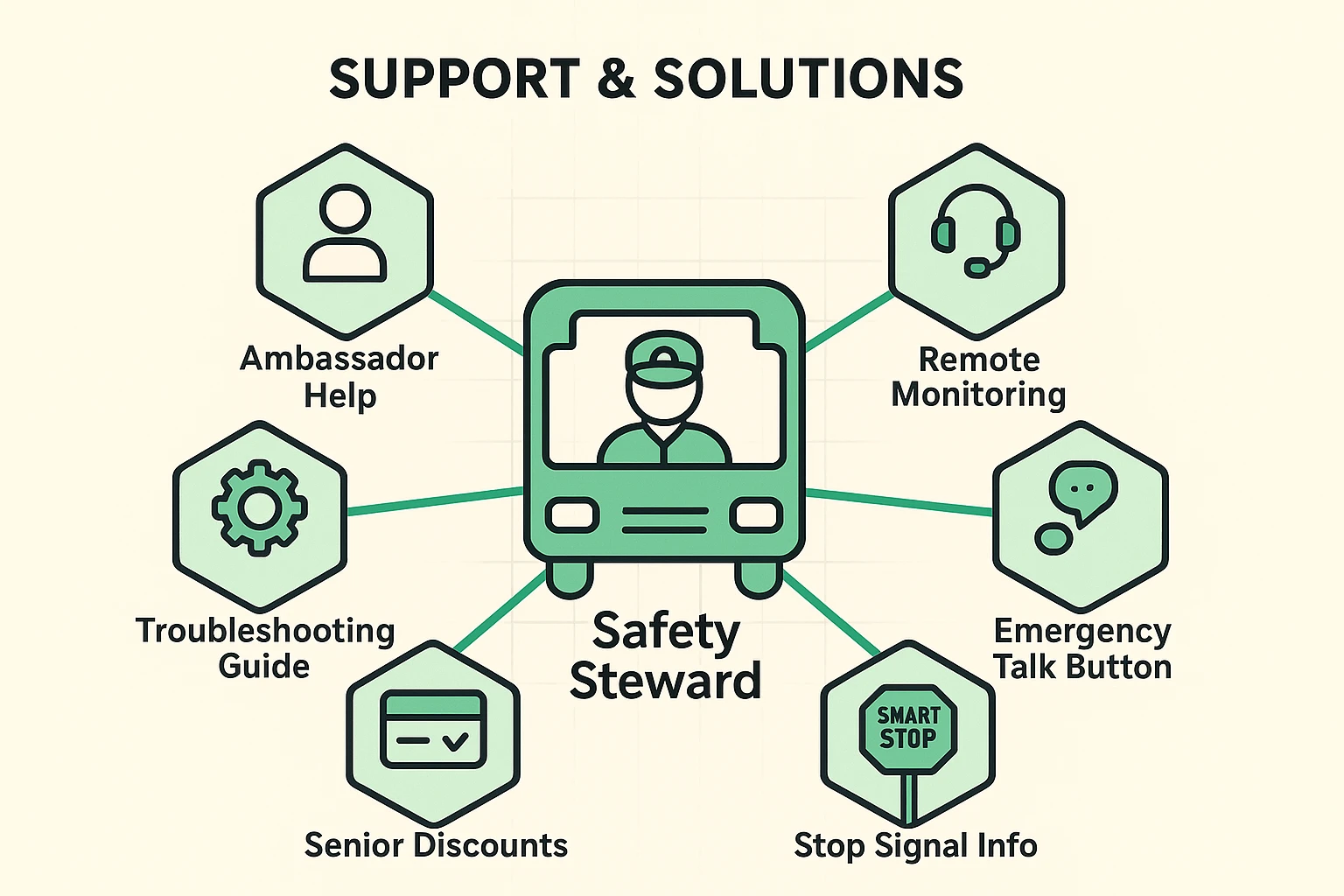
If there is a genuine issue and no Ambassador is on board, every automated transit vehicle is equipped with a large, clearly marked “Talk” or “Help” button. Pressing this instantly connects you via a two-way speaker to the remote human monitor in the control room. They know exactly where you are, can see inside the bus through the cameras, and can dispatch help or remotely guide the bus to safety immediately.
You might think this technology is decades away, but it is already quietly rolling out in neighborhoods right now. The CAVForth trial in Scotland has been successfully ferrying passengers across a major bridge using full-sized automated buses. Down in Orlando, Florida, smaller, adorable shuttles run by a company called Beep are safely moving residents around planned communities.
Transit giants like NJ Transit and WMATA are heavily investing in these technologies for the near future, specifically testing automated depot parking and upgraded digital tap infrastructures. The future of public transit is highly focused on keeping older adults mobile, independent, and safe, without forcing them to rely on expensive rideshare apps or family members for a lift.
No! Automated buses have incredible sensors specifically watching the doors. They literally cannot close if a person, a cane, or even a dangling scarf is in the doorway. They are infinitely more patient than human drivers who are running late for their lunch break.
While having a smartphone with a digital wallet makes things very convenient, it is rarely mandatory. Almost all automated systems will accept a physical transit card or a standard contactless credit card that you can simply tap on the reader.
On many automated shuttles, the route is pre-programmed, and the bus stops automatically at every designated smart station. If it’s a larger automated bus, there will still be traditional “Stop” buttons or pull-cords located right next to the seats, functioning exactly as they always have.
Transit agencies use military-grade encryption to protect the operating systems of these vehicles. Additionally, the remote human monitors can instantly cut the automated systems and safely halt the vehicle if they detect any sort of digital funny business.
The next time you hear about an automated bus coming to your town, don’t write it off as a gadget for the younger generation. Think of it as your personal, highly cautious chauffeur—one that never asks for a tip, never complains about the traffic, and gives you a fantastic senior discount every single time.