Newsletter Subscribe
Enter your email address below and subscribe to our newsletter

Enter your email address below and subscribe to our newsletter
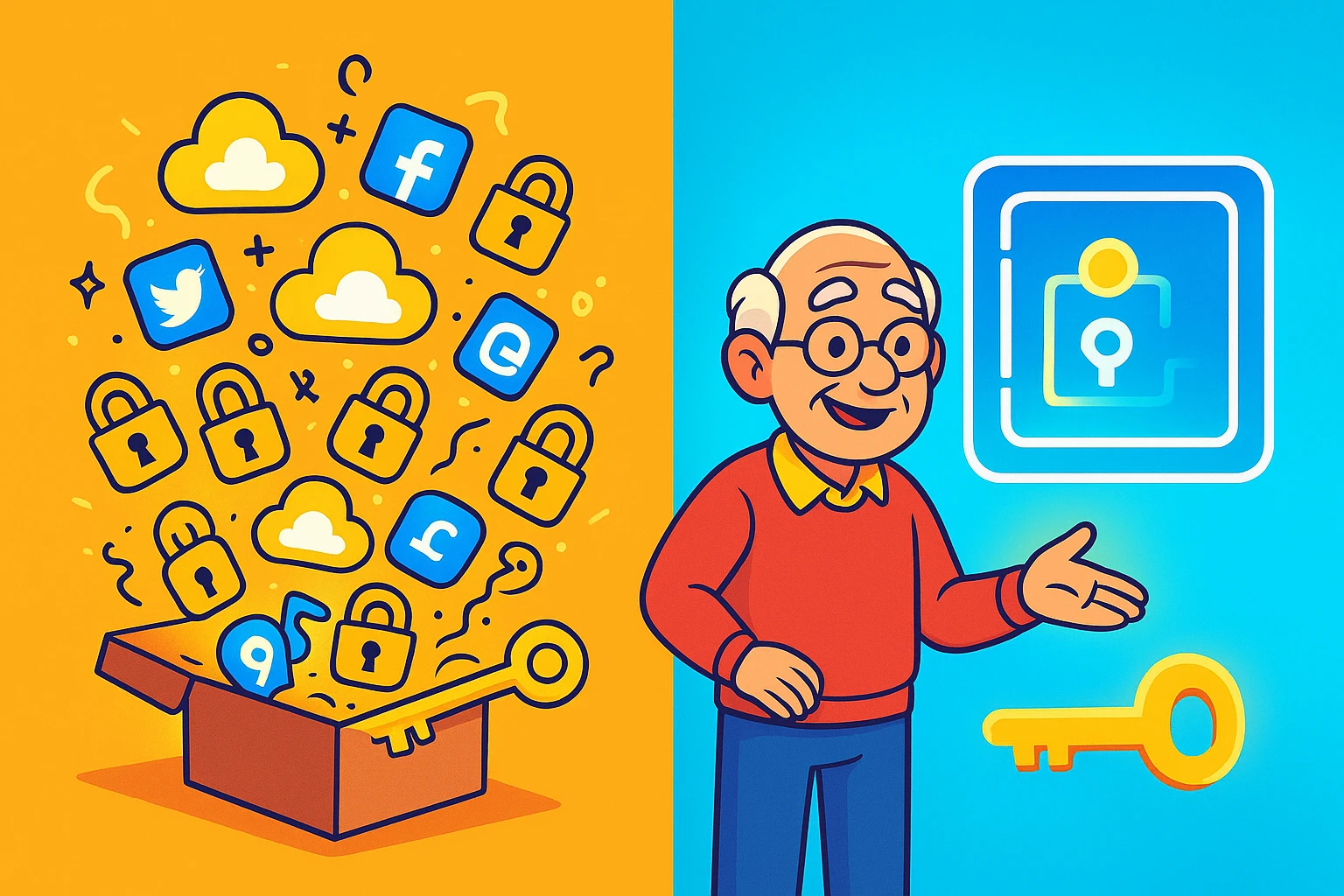
Remember the “Shoebox Method”? Back in the day, estate planning often consisted of a sturdy shoebox shoved under the master bed. Inside, you’d find the deed to the house, life insurance policies, three savings bonds, and a cryptic note about which nephew shouldn’t be trusted with the good silverware. It was a simpler time. If your executor could find the box, they could settle your affairs.
Today, that shoebox has exploded into a digital cloud. Your “assets” aren’t just physical papers; they are scattered across dozens of servers, protected by passwords you can barely remember on a good Tuesday, let alone organize for your heirs. We have emails, online banking, photo libraries, social media accounts, and maybe even a little cryptocurrency if you were feeling adventurous in 2021.
Here is the hard truth: Traditional wills were designed for grandfather clocks and land deeds, not iCloud accounts and NFTs. If you don’t leave a map, your digital life becomes a locked vault that your family cannot open.
This is where Digital Legacy Platforms come in. These are the modern “digital stewards” designed to hold the keys to your kingdom. But with the market for these services projected to skyrocket to over $16 billion in the next decade, there are suddenly a lot of options vying for your attention. Some are digital vaults, some are legal wizards, and some are glorified filing cabinets.
Let’s cut through the noise, ignore the tech-bro hype, and find the right tool to keep your digital legacy safe, accessible, and frustration-free.
Choosing a platform isn’t like picking a streaming service; the stakes are slightly higher than deciding between The Office reruns and a new sci-fi drama. You are looking for a system that combines security with usability. Based on current market research, here is how the top players stack up.
If your primary concern is ensuring your digital wishes stand up in court, Trust & Will is the heavyweight in the room.
GoodTrust focuses heavily on the “stuff” on the internet—your photos, emails, and social media.
Think of Everplans as the ultimate label-maker enthusiast. It goes beyond just “who gets what” and includes the practical details of life.
Cake takes a holistic, slightly softer approach, combining logistics with your personal values.
We all love free stuff. Free samples at the grocery store? Yes, please. Free digital estate planning? Proceed with extreme caution.
In the tech world, the old adage remains undefeated: If you aren’t paying for the product, you are the product.
Many free tools offer basic checklists or simple storage. However, they often lack the bank-level security required for sensitive data like social security numbers or trust documents. Furthermore, their business model might rely on selling aggregate data or upselling you aggressively.
When you pay for a subscription (usually ranging from $40 to $150+ annually depending on the service), you are essentially paying for digital armor.
It is not enough to just pick a pretty interface. You need to look under the hood. When evaluating a digital steward, you are looking for two things: Fort Knox security and legal compliance.
You might hear estate planners throw around terms that sound like multiplication tables. One critical concept for trusts is the “5 by 5 Power.”
In plain English, this is a “safe harbor” rule in tax law. It allows a beneficiary to withdraw up to $5,000 or 5% of the trust’s value (whichever is greater) each year without triggering massive tax headaches for the beneficiary or the trust itself.
Why does this matter for digital tools?If you are using a platform like Trust & Will to generate a trust, you need to ensure their templates allow for these specific clauses. A generic, one-size-fits-all form might miss these nuanced “tax-saving superpowers,” leaving your heirs with a digital inheritance that the IRS enjoys more than they do.
When trusting a company with your life’s data, check for Emergency Access Protocols. This is the “In Case of Emergency” glass your heirs will break.

The biggest mistake seniors make is treating their digital plan and their physical will as two separate islands. They are not. They are parts of the same continent.
If your Will says “My son gets the crypto,” but you don’t leave instructions on how to access the digital wallet, that money is effectively gone forever. It’s like leaving someone a treasure chest but throwing the key into the ocean.
You might not own Bitcoin, but perhaps you have credit card points, airline miles, or a library of purchased Kindle books. These are digital assets.
Generally, yes. Platforms like Trust & Will and LegalZoom create documents that are legally valid in all 50 states, provided you sign them (and often notarize them) according to the instructions. However, for complex estates (lots of properties, blended families, business ownership), a human attorney is still the gold standard.
This is a valid fear (remember the 23andMe data breach scare?). Reputable services allow you to export your data at any time. We recommend the “Backup Rule”: Always download a PDF copy of your plan and store it on a physical hard drive or print it out for your physical shoebox. Redundancy is your friend.
Please don’t. Spreadsheets are not encrypted. If your computer gets hacked, that spreadsheet is a gift-wrapped present for identity thieves. Use a Password Manager or a secured Digital Legacy service.
Technology has made our lives complicated, but it also offers the tools to clean up the mess. Choosing a digital steward isn’t just about organizing passwords; it’s about kindness. It’s a final act of love to ensure your family can grieve without having to guess the answer to your “First Pet’s Name” security question.
Don’t leave a digital mystery. Pick a tool, start the inventory, and give yourself the peace of mind that comes with knowing your legacy is in good hands.