Newsletter Subscribe
Enter your email address below and subscribe to our newsletter

Enter your email address below and subscribe to our newsletter
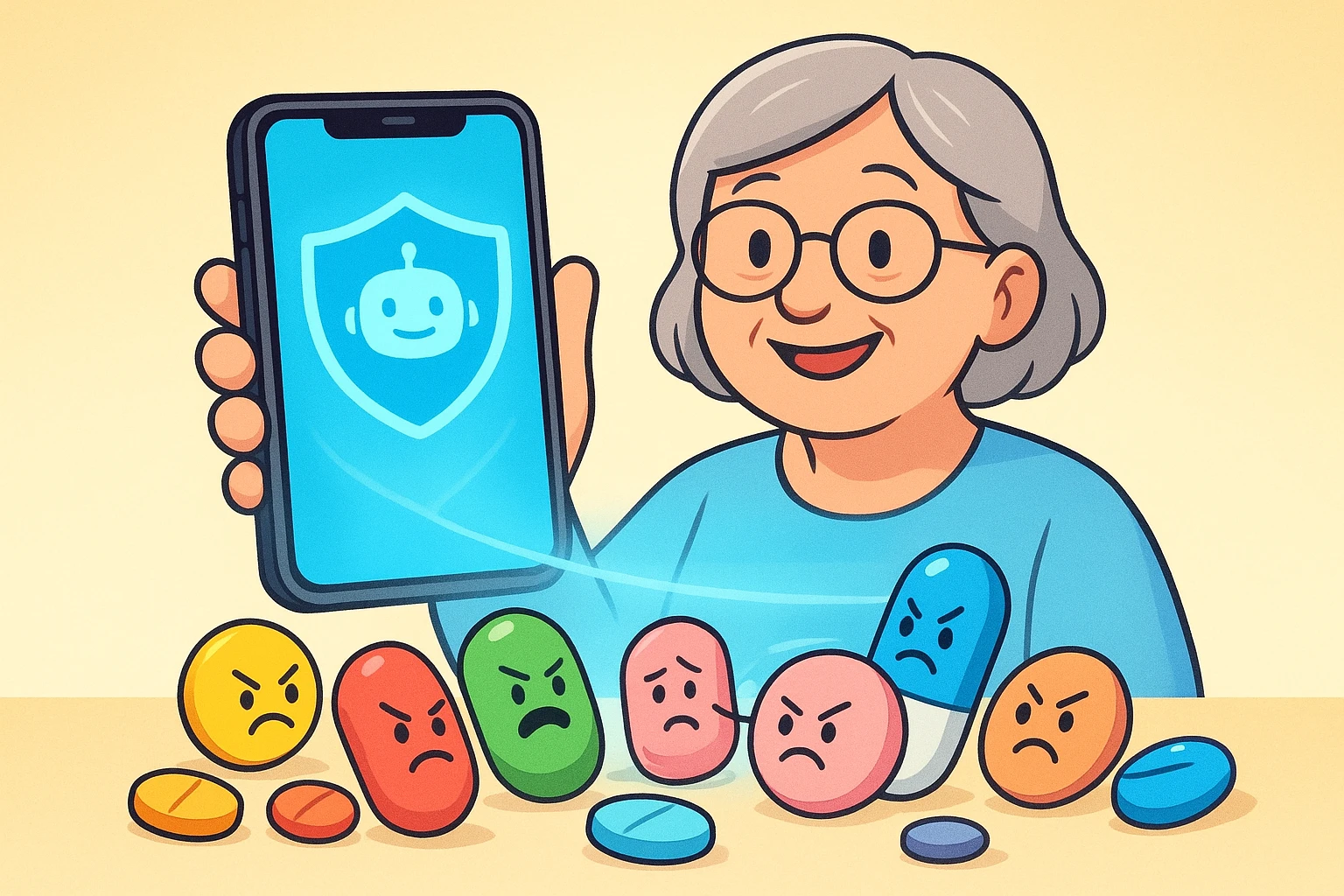
Think of your daily medications as a team of well-meaning but highly specialized employees. The little white pill is in charge of blood pressure. The yellow one handles cholesterol. The capsule is for arthritis. They all show up for work, punch the clock, and do their jobs. But here’s the catch: they’ve never been properly introduced. They don’t hold weekly meetings, and frankly, some of them just don’t get along.
When one medication decides to work a little too well, or cancels out the effects of another, it’s like office drama unfolding inside your body. This behind-the-scenes squabbling is what doctors call a “drug interaction,” and it can be a serious problem, especially when you throw in over-the-counter helpers like aspirin or that new vitamin supplement your neighbor swore by.
So how do you play mediator for this chemical committee? In the old days, you’d rely on a pharmacist with a brain like a supercomputer. Today, you can get a little help from an actual supercomputer that fits in your pocket.
At its heart, an AI medication interaction app is a digital safety net. Think of it as a super-smart librarian for your medicine cabinet. You tell it every single thing you’re taking—prescriptions, over-the-counter pain relievers, vitamins, herbal supplements, even that occasional allergy pill.
The app then cross-references everything against a massive, constantly updated database of drug information. It’s looking for potential troublemakers—combinations that could cause nasty side effects, reduce a drug’s effectiveness, or create a genuinely dangerous situation. It goes way beyond a simple pill reminder; it’s a proactive security guard for your health.
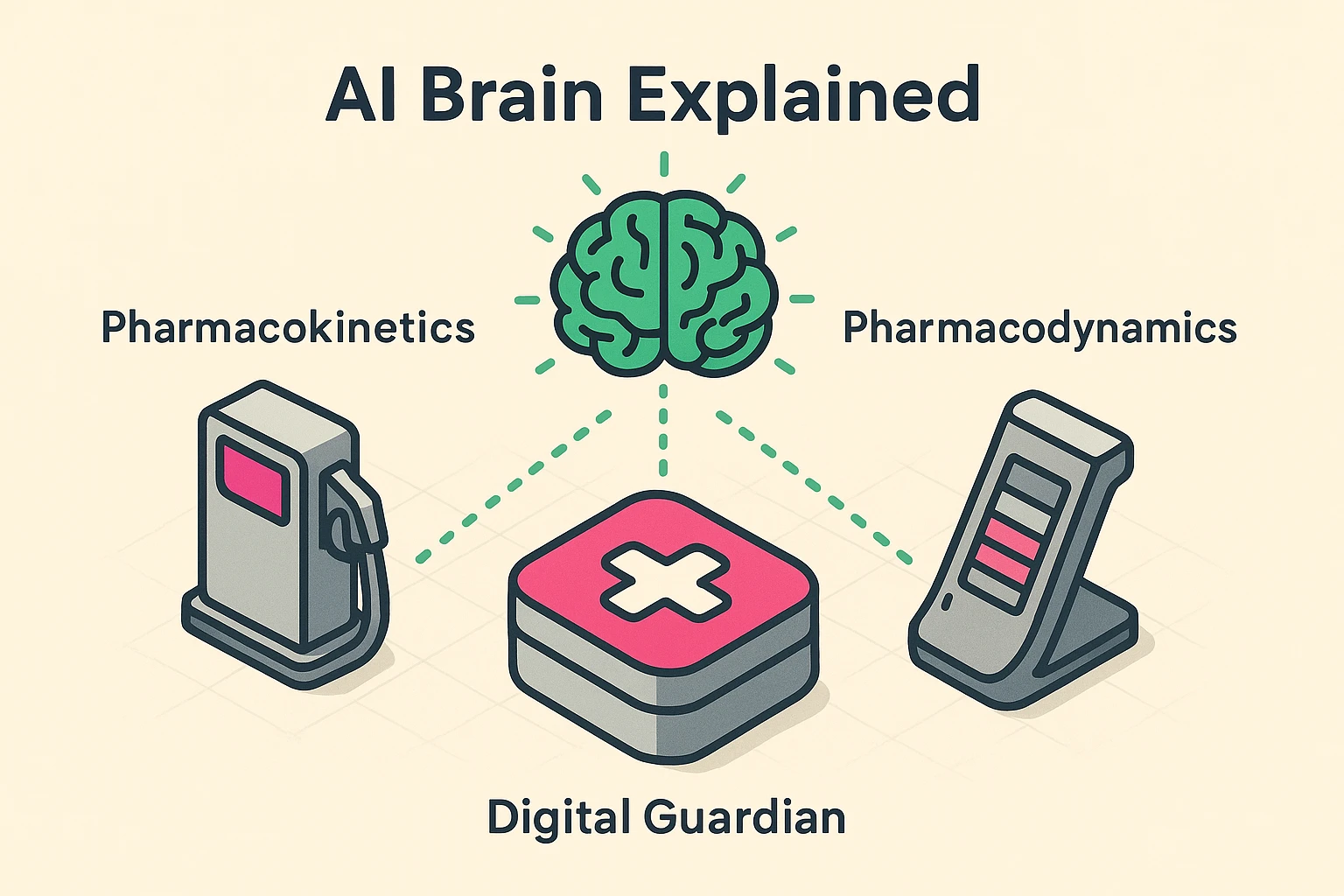
Okay, so how does this little pocket genius actually know that your heart medication and that grapefruit you had for breakfast are a bad mix? It’s not magic; it’s just some very clever science that we can break down with a car analogy.
The AI looks at two main things:
The app’s AI brain analyzes these two factors for every substance you enter, flagging combinations where the “fuel system” gets clogged or where two drugs are both flooring the gas pedal at the same time. It’s this deep analysis that makes it such a powerful tool.
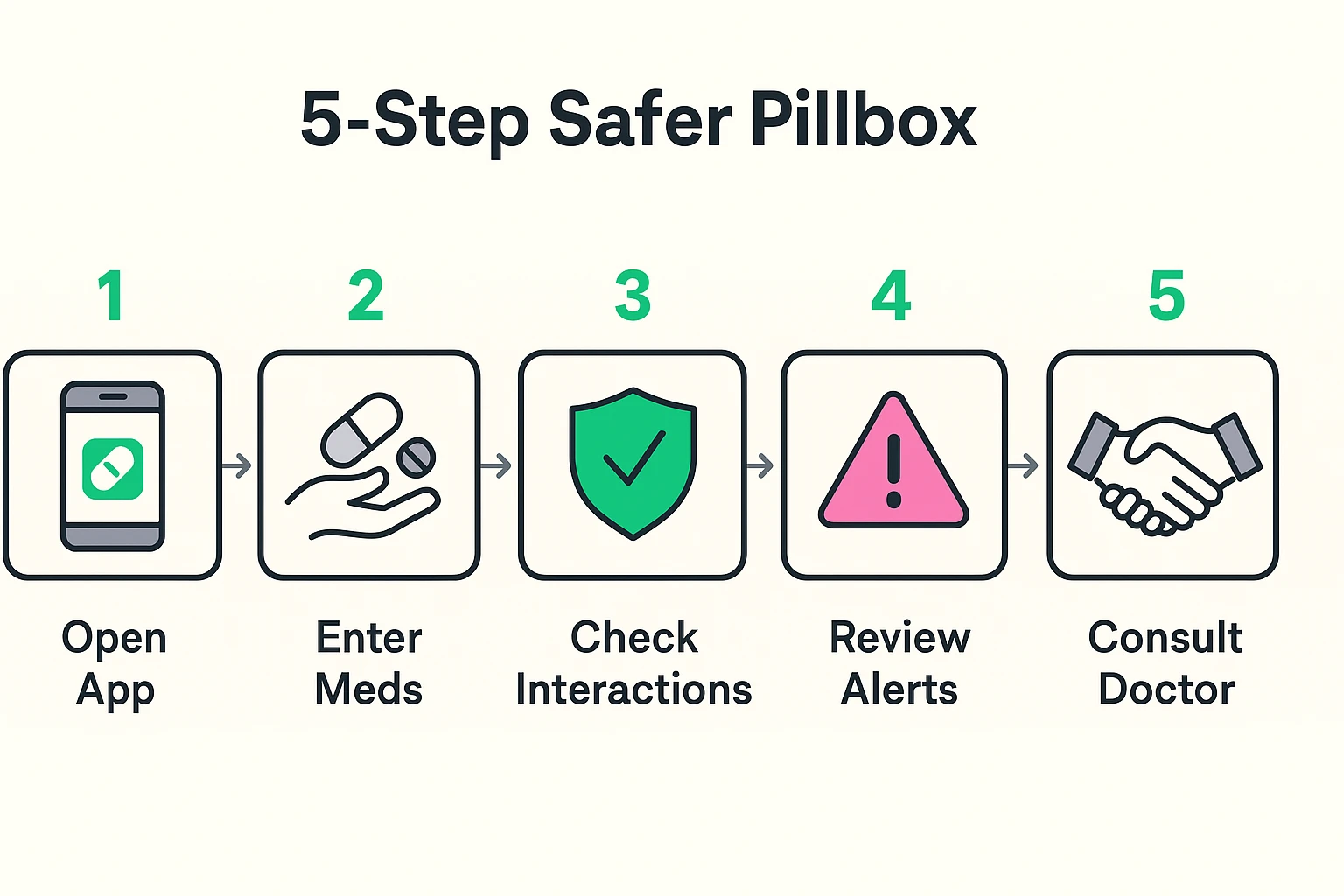
Ready to put your new digital guardian to work? Getting started is easier than programming a VCR back in the day. Just follow these simple steps.
These apps are fantastic tools, but they’re not perfect or all-knowing. To use them responsibly, you need to understand their limits.
Here’s the honest-to-goodness truth: their accuracy varies. In fact, one major study from the National Center for Biotechnology Information (NCBI) found that many consumer apps provided incomplete or even inaccurate information.
This doesn’t mean they’re useless. It just means you should treat the app as a “first alert” system, not the final word. It’s a fantastic tool for spotting potential issues that you can then bring to a professional.
In a word: NO. Not even close. An app is a powerful assistant, but your doctor and pharmacist are the experts with the corner offices. Here’s why.
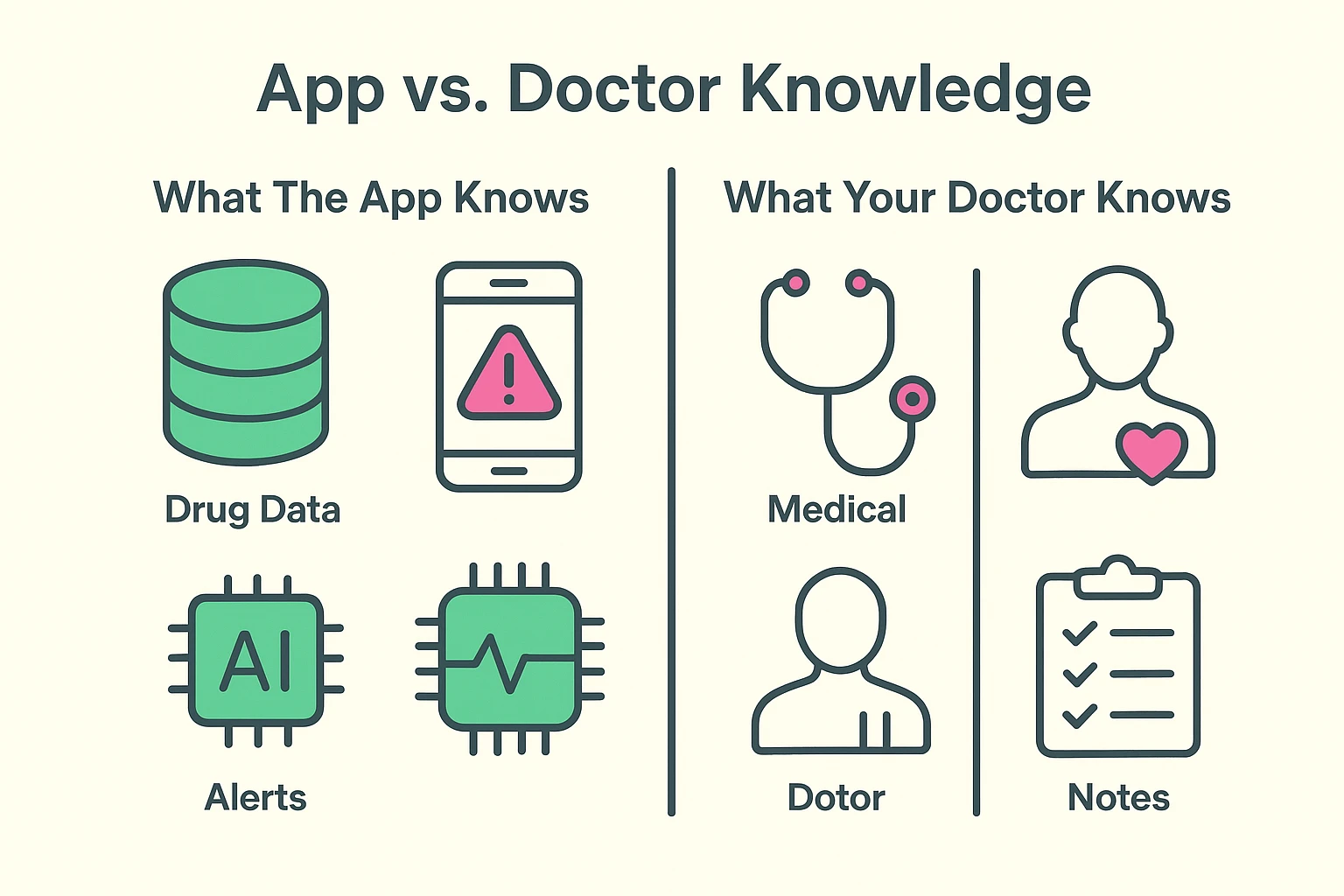
An app knows the data you put into it. Your doctor knows you. They know your kidney function, your liver health, your medical history, and your unique sensitivities. An app might flag a “minor” interaction that is actually very serious for someone with your specific health profile. The app is a tool; your doctor is the skilled craftsperson using that tool.
So the app is flashing a big, red “MAJOR INTERACTION” warning. First, take a breath. Second, gather your information. Third, call your doctor or pharmacist.
Here’s a simple script you can use:
“Hi, I was using a medication checker app to review my prescriptions, and it flagged a potential interaction between my [Medication A] and [Medication B]. It said the risk was [describe the risk, e.g., ‘increased bleeding’]. I haven’t changed anything, but I wanted to check with you to see if this is something I should be concerned about.”
This approach shows you’re being proactive, provides specific information, and respects their expertise.
Many of the best medication interaction checkers are free to use. They are often included in larger apps from trusted health sources like WebMD or as features in pharmacy apps.
Yes, absolutely! Some vitamins and minerals (like Vitamin K or calcium) can have significant interactions with prescription drugs, especially blood thinners and thyroid medications. When in doubt, add it to the list.
First, double-check the spelling. If you still can’t find it, that’s a major red flag that the app’s database may be incomplete. Your best bet is to consult your pharmacist directly and consider looking for a more comprehensive app.
It sure can. The same technology that powers these apps is being used in other helpful ways. In fact, there is growing use of AI for seniors to store and retrieve documents like medical records or travel itineraries, keeping important information organized and accessible.
Think of a medication interaction app not as a replacement for your healthcare team, but as a new, vigilant member of it. It’s the tireless assistant that works 24/7, double-checking for potential problems so you can have a more informed conversation with the real experts.
By using these tools wisely, you’re not just managing your pills—you’re taking an active, powerful role in your own health and safety.