Newsletter Subscribe
Enter your email address below and subscribe to our newsletter

Enter your email address below and subscribe to our newsletter
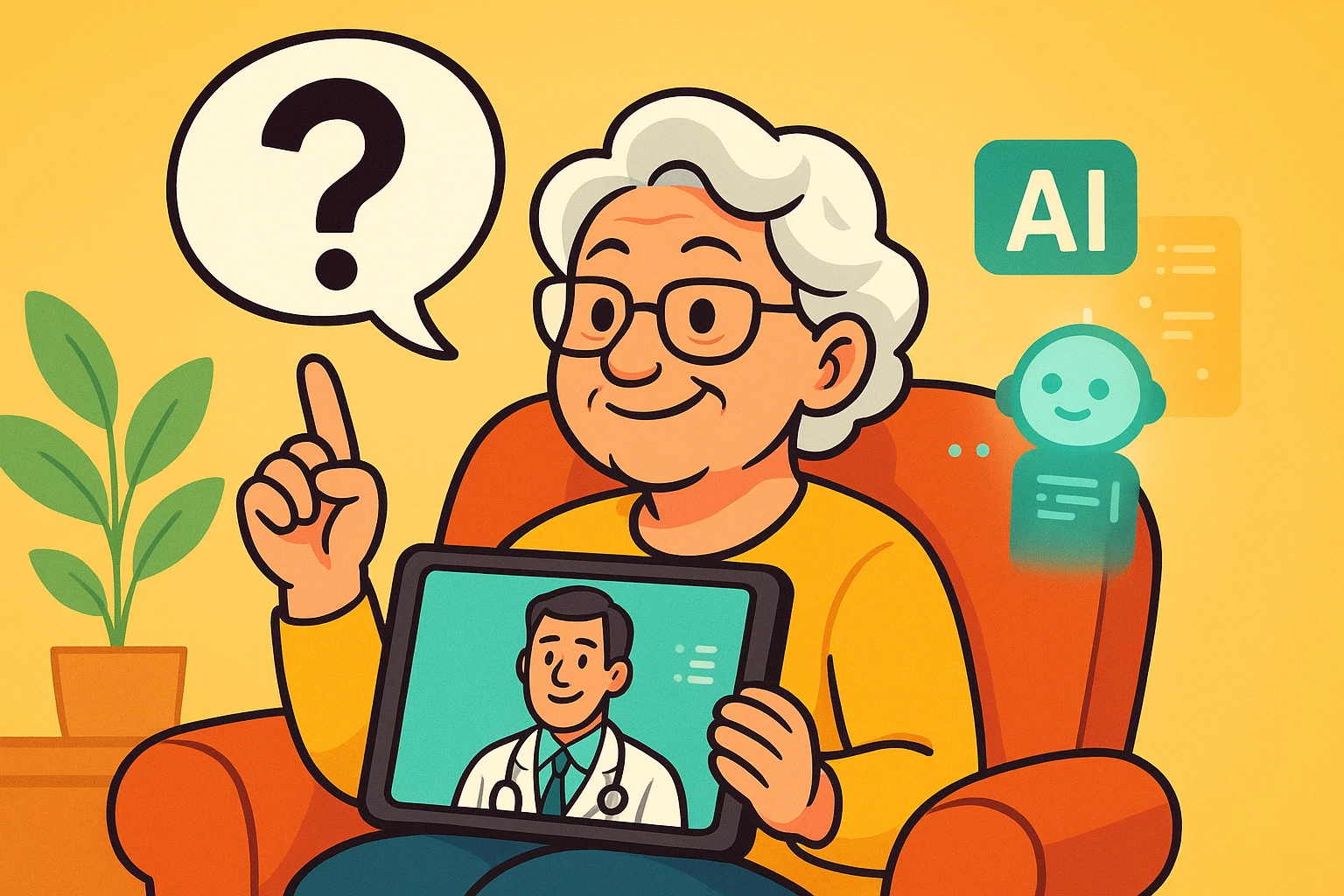
Remember the old doctor’s visits? You’d drive across town, hunt for parking, and then sit in a waiting room thumbing through a magazine from 1998 about a celebrity who is now a grandparent. The whole adventure was an exercise in patience, punctuated by the faint smell of antiseptic wipes.
Fast forward to today. Your waiting room is your favorite armchair, the dress code is “pajama-friendly,” and you can connect to your doctor through a screen. But just when you got used to that, there’s a new wrinkle: Artificial Intelligence, or AI. Suddenly, you might be answering questions from a computer program before you even see your doctor’s face.
If your first thought is, “Great, now I have to get medical advice from the same kind of technology that can’t decide if I want to buy a toaster or start a toaster collection,” you are not alone. It sounds like something out of a science-fiction movie, and not necessarily one of the fun ones. But don’t log off just yet. This new tech isn’t here to replace your doctor with a robot. It’s here to give them a set of superpowers, and with a little preparation, you can make sure it works for you.

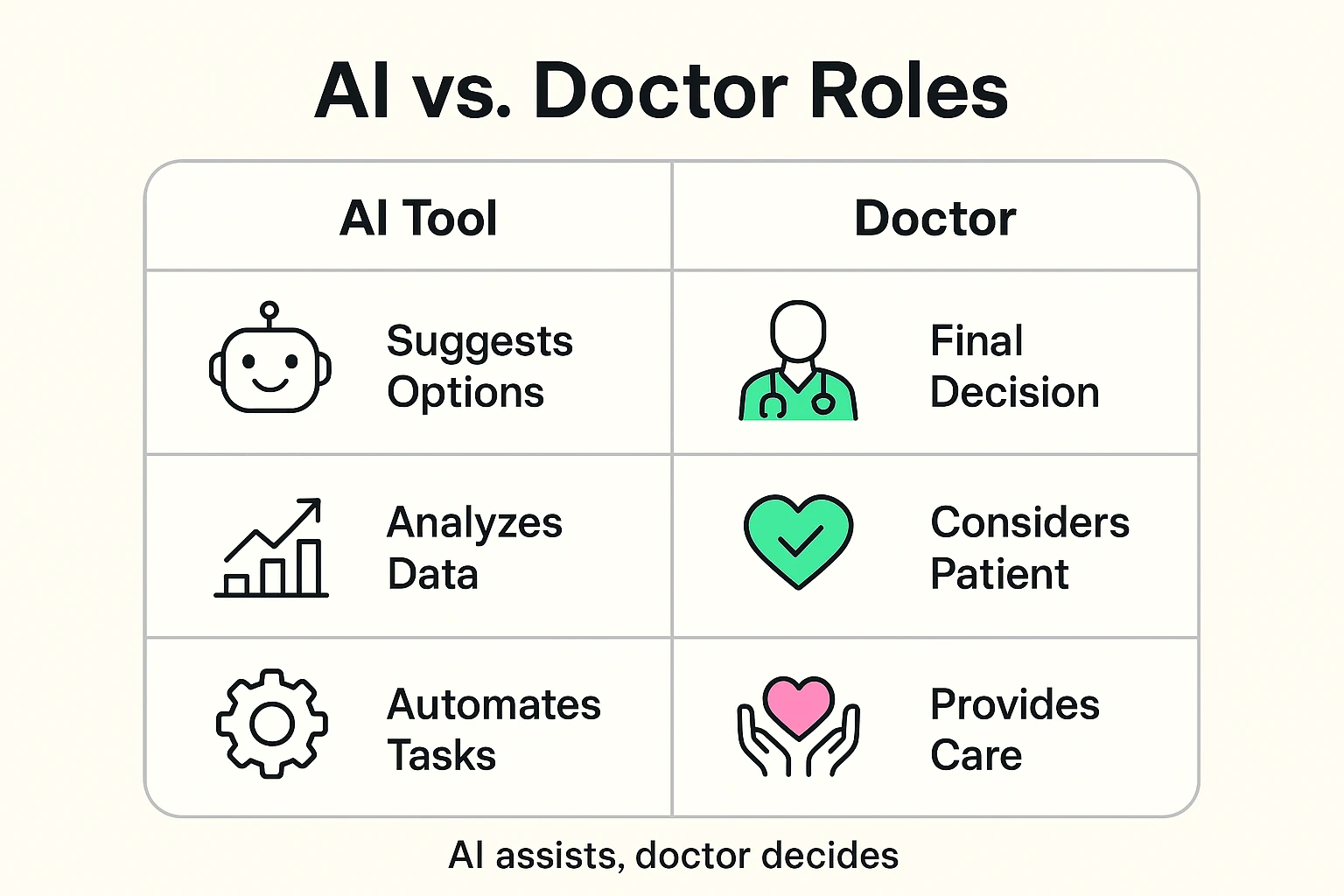
Before you panic, let’s be clear: AI is not the head doctor. Think of it as a highly efficient assistant who has read every medical book ever published. Its job is to gather information and spot patterns, freeing up your human doctor to focus on the most important part: you.
Here are the three main types of AI you might encounter:
Getting ready for an AI-enhanced visit is a lot like preparing for a regular one, with one new, simple step.

You know the drill. Make sure your device (computer, tablet, or phone) is fully charged and you have a stable internet connection. Find a quiet, well-lit spot where you won’t be interrupted.
Just like any other appointment, have your information ready. Write down your symptoms, when they started, and any questions you have. Have a list of your current medications and dosages handy.
This is the game-changer. Before your visit, simply jot down a couple of questions about the technology itself. You don’t need to be an expert. Your goal is simply to understand how it’s being used in your care. This simple step puts you back in the driver’s seat.
The most important thing to remember is that you are not a passive observer in your own healthcare. Technology is a tool, but your voice matters most. If your doctor mentions that an AI tool suggested something, that’s your cue to get curious.
Here are a few questions you can have in your back pocket:
And the most powerful question of all: “What happens if I’m not comfortable with the AI’s recommendation?” This reminds everyone in the “room” that the final decision is a partnership between you and your human doctor.
The biggest fear is that the computer is making the final call. Let’s put that worry to rest right now. The AI’s job is to provide data and suggestions. Your doctor’s job is to use their years of training, experience, and knowledge of you to make the actual medical decision.
Once the call is over, your work isn’t quite done.
Generally, yes. Telehealth services that are normally covered in person are also covered by Medicare when done virtually. The rules can change, so it’s always a good idea to confirm with your doctor’s office or Medicare directly, but the AI component typically doesn’t change coverage.
You don’t have to be a computer whiz. Many doctor’s offices have staff who can walk you through the setup process before your first visit. Don’t be afraid to ask for a “practice run.”
Absolutely not! It’s a tool, and like any tool, it has limitations. That’s why the human doctor is essential. The AI might misinterpret something or lack the real-world context that a human provides. Believing technology is flawless is one of many common tech myths.
This is an excellent question to ask your provider. All telehealth platforms used by doctors must comply with strict privacy laws like HIPAA. The data is encrypted and protected. However, it’s always wise to be vigilant and verify information you see online or in any health app.
An AI-enhanced doctor’s visit might sound intimidating, but it’s designed to give you better, more personalized care from the comfort of your home. By understanding its role as a helpful assistant and preparing to ask a few simple questions, you can turn a potentially scary experience into an empowering one.
Technology is moving fast, but it’s still just a tool. Your wisdom, your experience, and your voice are what truly matter in your health journey. And who knows, you might find that you can use these new technologies for more than just doctor visits—there are plenty of fun and creative ways to use AI in your daily life, too.