Newsletter Subscribe
Enter your email address below and subscribe to our newsletter

Enter your email address below and subscribe to our newsletter
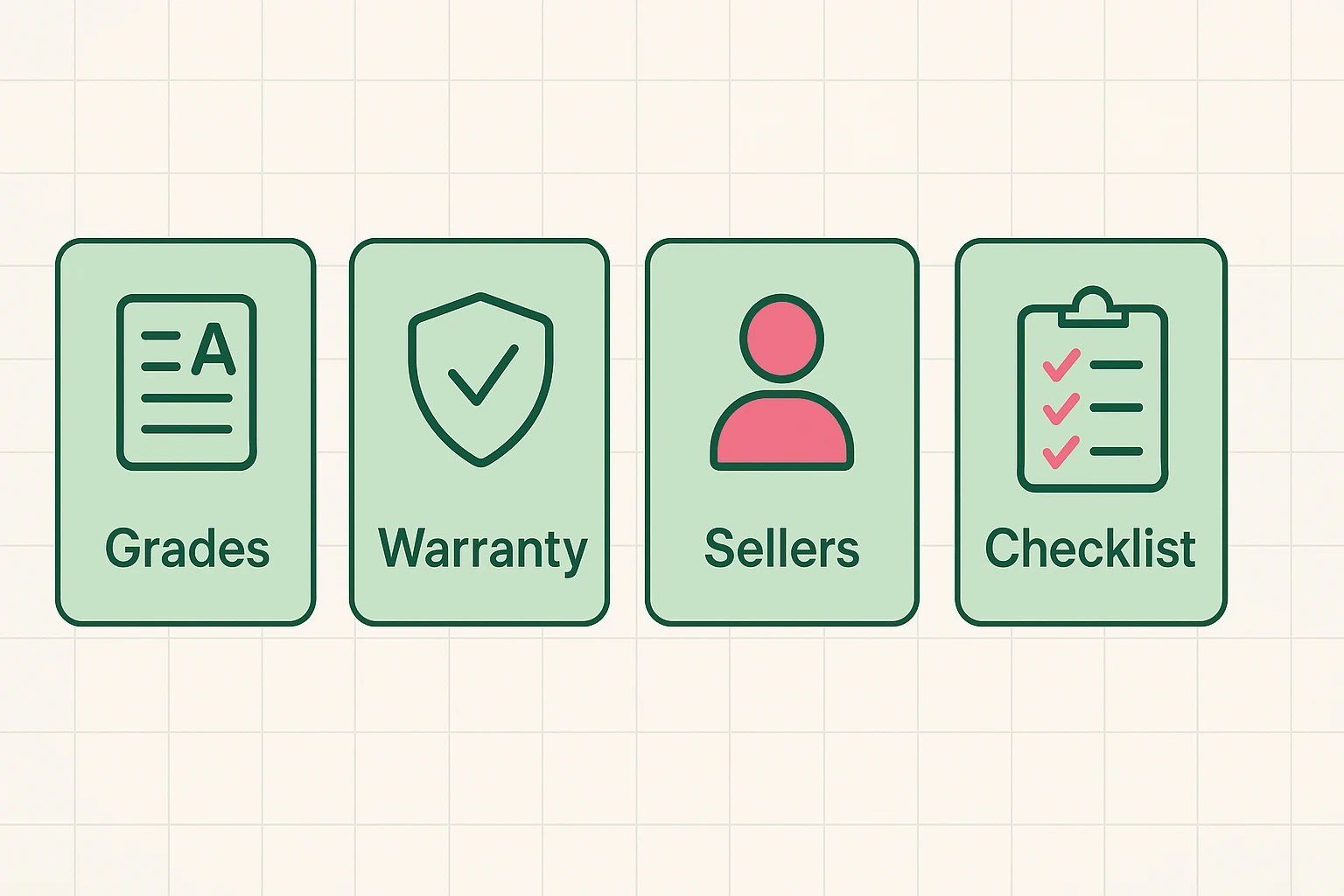
Have you ever felt like buying a new piece of technology requires taking out a second mortgage? You walk into a store, see the price tag on a shiny new phone or laptop, and suddenly your old device—the one with the cracked screen and the battery life of a mayfly—doesn’t seem so bad after all.
It’s a common feeling. New tech is expensive, and it can feel like you’re paying a premium for features you’ll never use. That’s why comparison shopping for tech has become almost an art form—checking prices, reading reviews, and hunting for the best deals before you commit. Sometimes, that process leads to a surprising discovery: refurbished devices.
This is where the world of “refurbished” tech whispers your name. But for many, that word sounds about as trustworthy as a three-dollar bill. It conjures images of devices held together with duct tape and hope, sold out of the back of a van.
So, what’s the real story? Is buying refurbished a brilliant money-saving hack or a risky gamble that will leave you with a fancy paperweight? Let’s debunk some myths, decode the jargon, and determine if a “pre-loved” gadget is the right choice for you.
First, let’s clear the air. “Refurbished” is not just a fancy word for “used.” A used phone is sold as-is, mysterious stains and all. A refurbished device, on the other hand, is akin to a classic car that has been professionally restored.
Think of it this way: a device is returned to a manufacturer or retailer for some reason. Perhaps the original buyer simply changed their mind, or maybe there was a minor defect. Instead of tossing it, a team of certified technicians puts it through a rigorous spa day. They test every single component, repair any issues, replace parts like the battery as needed, give it a thorough cleaning, and then repack it for sale.
A properly refurbished device has been inspected, repaired, and certified to be in full working order. It’s the “Certified Pre-Owned” of the tech world.
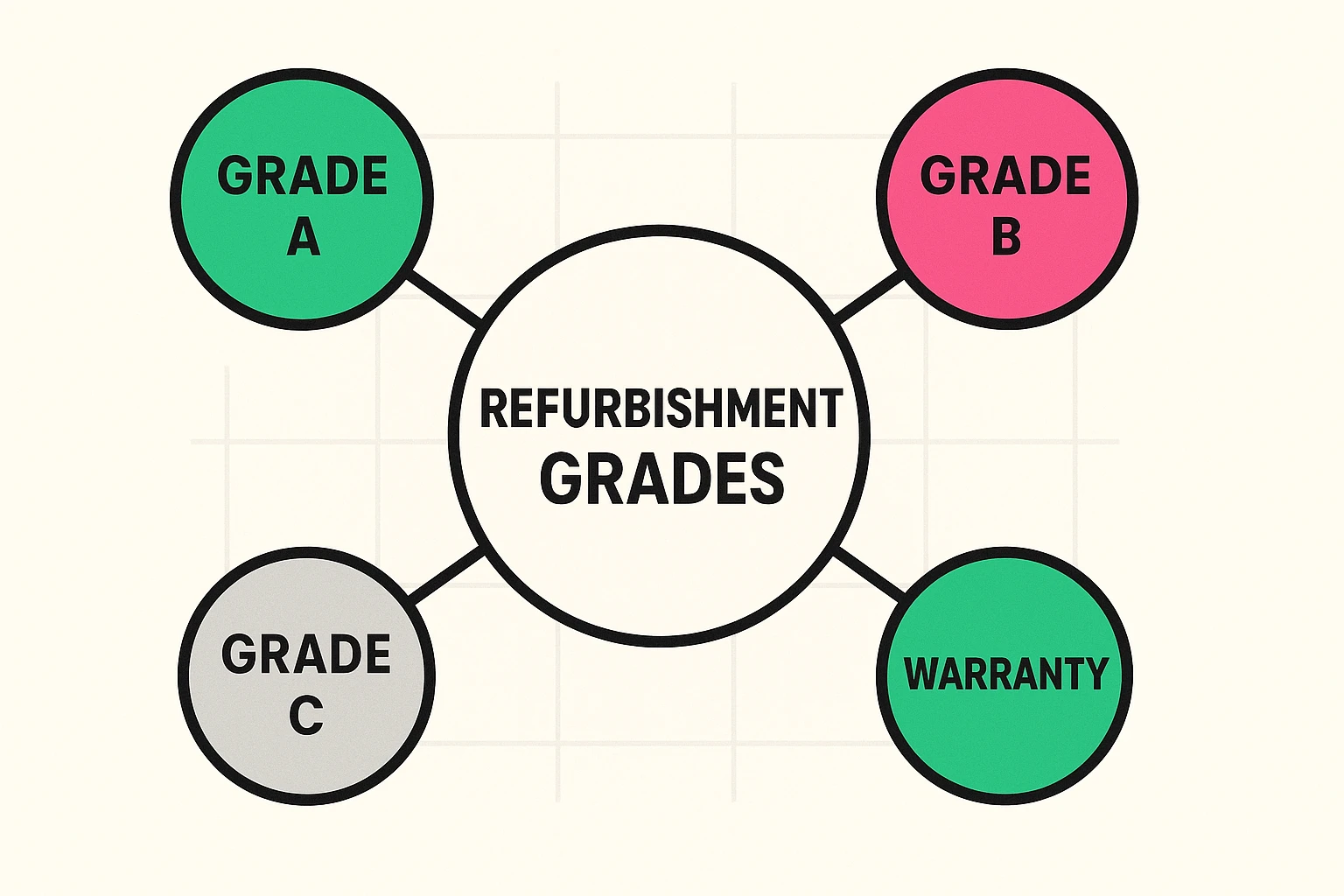
Not all refurbished items are created equal. To clarify, sellers typically use a grading system, ranging from Grade A to Grade C. Understanding this is crucial to avoiding surprises from minor scuffs.
And most importantly, any reputable seller will back up their work with a warranty. This is your safety net, your peace of mind, your guarantee that you’re not buying a lemon. A good warranty (looking for at least 90 days, but a year is even better) means the seller is confident in their product.
Still on the fence? Let’s put these three options in the ring and see how they stack up. Choosing the right one depends entirely on your budget and your tolerance for a little “character.”
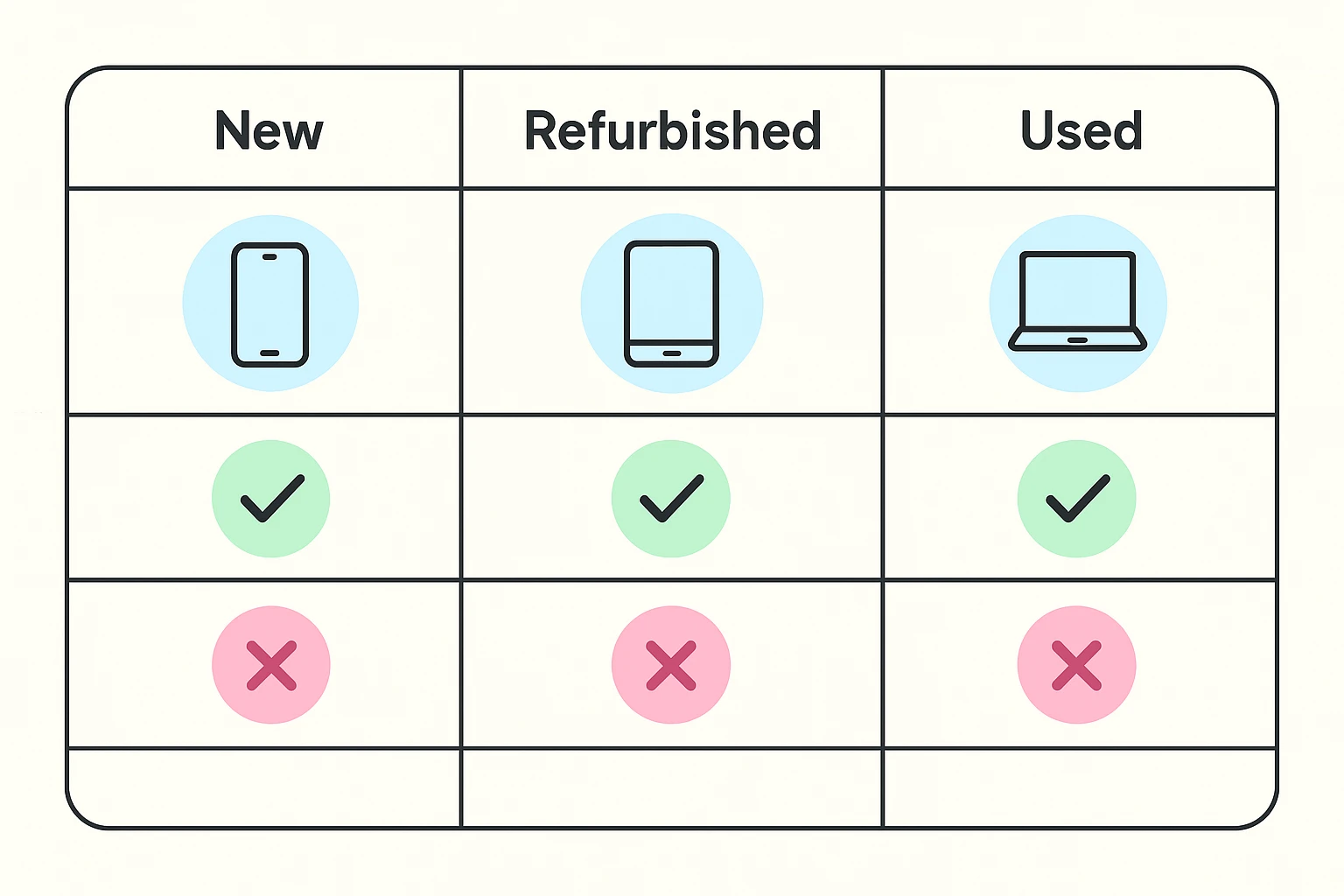
The biggest takeaway? Refurbished offers a fantastic middle ground. You get a reliable, tested device with a warranty for a fraction of the price of a new one, without the risk of buying used.
Ready to dip your toe in the refurbished waters? Great! A little bit of know-how can turn you from a nervous first-timer into a confident bargain hunter. Follow these simple steps to make sure you get a great device and a great deal.
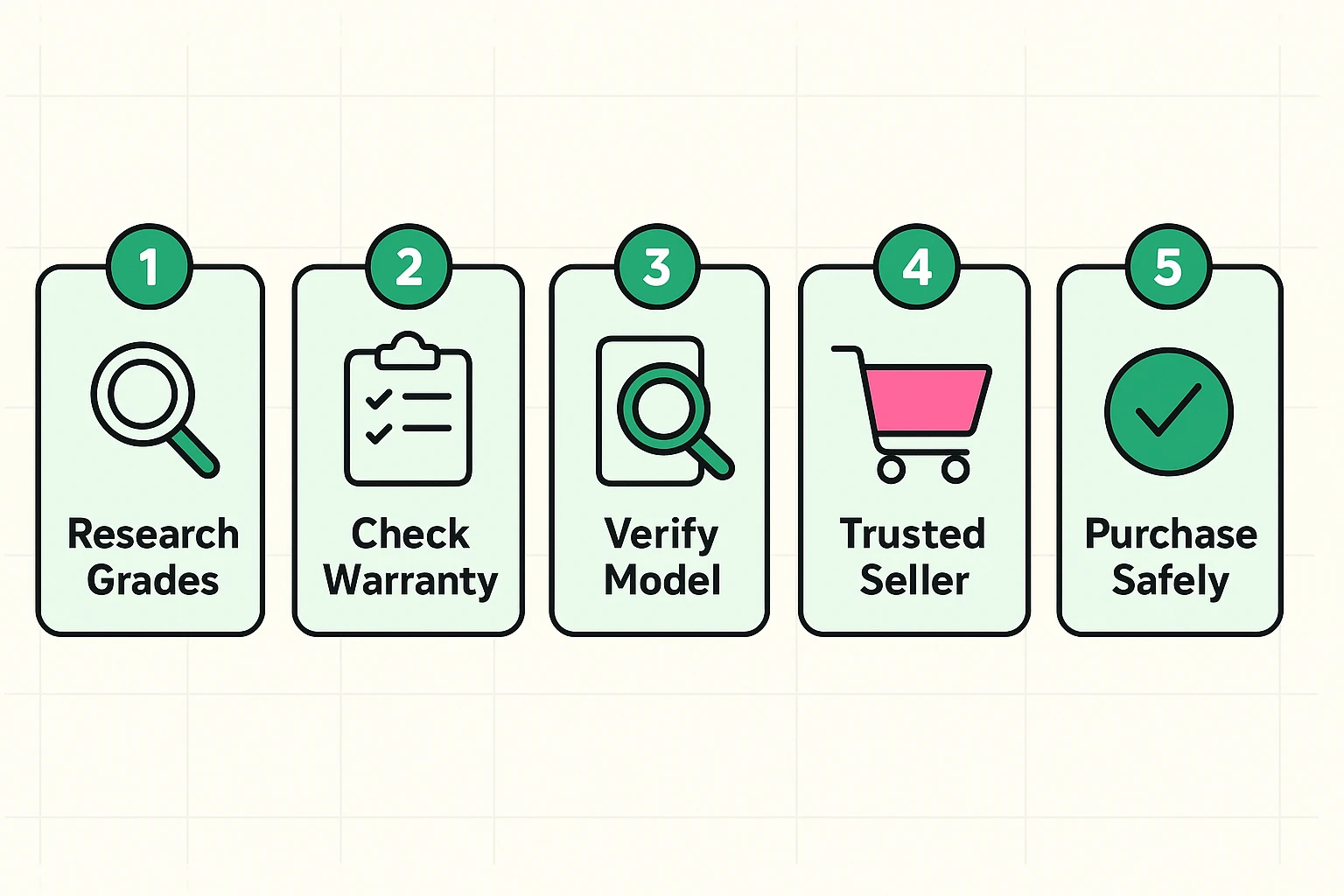
Let’s tackle some of the most common worries right here.
Absolutely! In fact, it can be a smarter choice. Because each device is professionally tested, you can be confident it works correctly right out of the box. You get a reliable device without the “new tech” price tag.
A well-refurbished device from a reputable seller should last just as long as a new one. Key components that wear out over time, like batteries, are often replaced during the refurbishment process, giving the device a new lease on life.
The main potential downside is cosmetic. You might have to accept a minor scratch or two if you opt for a lower grade to save more money. And while rare, you could get a dud—but that’s precisely what the warranty and return policy are for.
Yes! Choosing refurbished is a fantastic way to reduce e-waste. Every refurbished device sold is one less new device that needs to be manufactured and one less old device ending up in a landfill. You save money and help the planet. It’s a win-win.
So, is refurbished tech a risky bet? Not if you do it right. By understanding what the term means, buying from a trusted source, and making sure you’re covered by a solid warranty, you can get a high-quality device for a low price.
It’s about being a smart consumer—getting the technology you need to stay connected without draining your bank account. It’s practical, economical, and environmentally friendly. What’s not to love?