Newsletter Subscribe
Enter your email address below and subscribe to our newsletter

Enter your email address below and subscribe to our newsletter
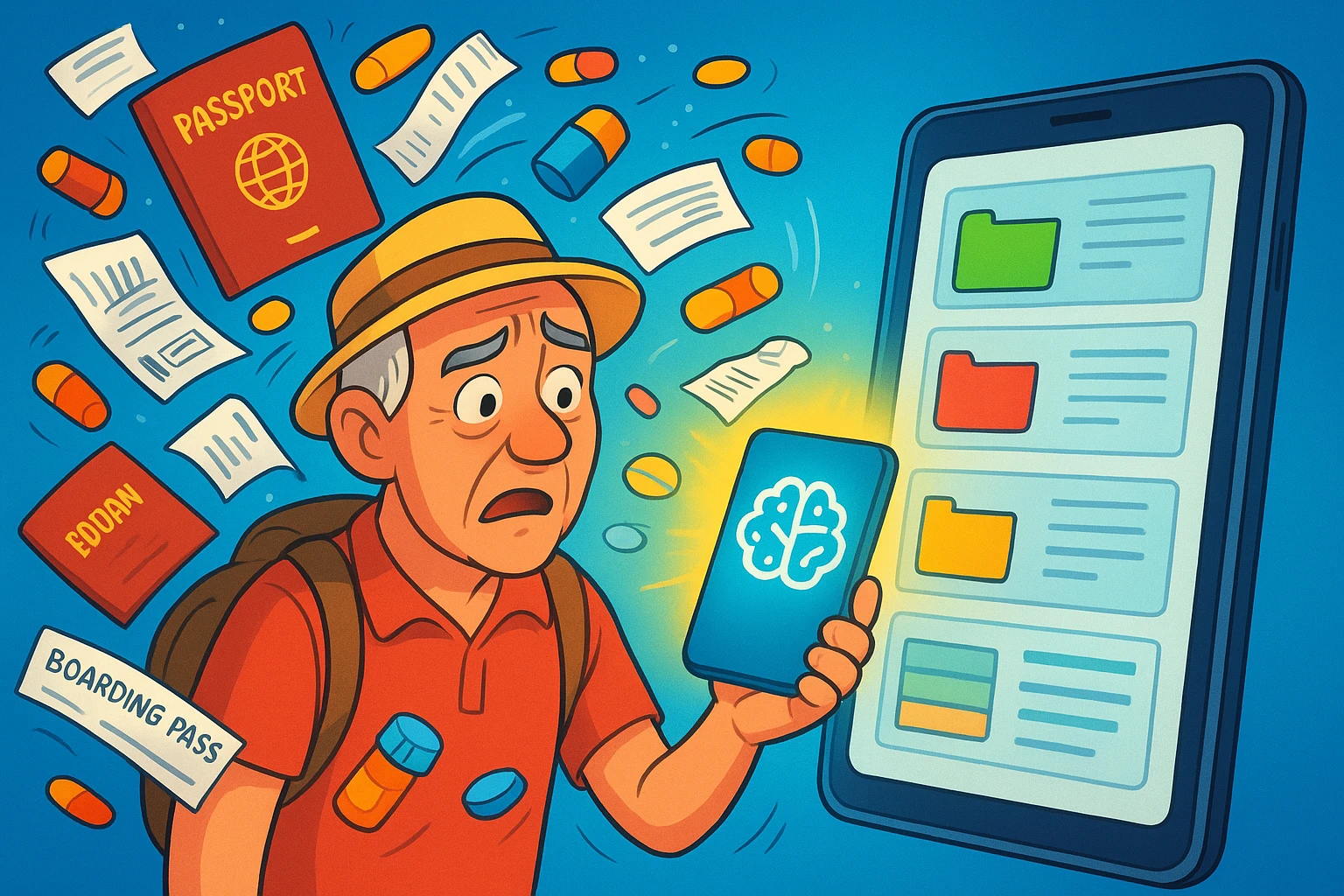
Let’s be honest, preparing for a trip can feel like a part-time job you never applied for. You’ve got a mountain of paperwork that could rival a small government’s archives: passports, boarding passes, hotel confirmations, rental car agreements, and that tiny piece of paper with the tour guide’s number you swore you put in a safe place.
Then there’s the pharmacy counter’s worth of medications. The morning pill, the “with food” pill, the “before bed” pill. It’s a delicate dance of timing and dosage that’s tricky enough at home. But trying to remember whether it’s time for your 8 AM pill when your body thinks it’s 3 AM in Paris? You’d have an easier time teaching a cat to file your taxes.
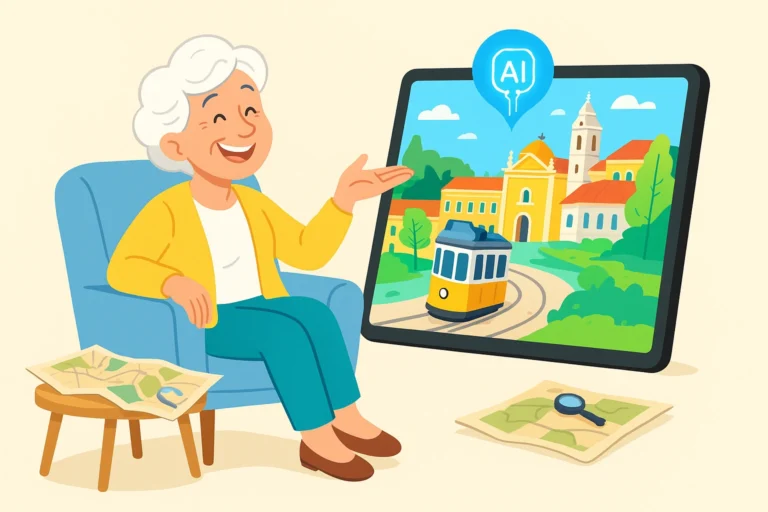
What if you had a super-organized, unflappable travel assistant who could handle all of this for you? One that never sleeps, never loses a document, and can do time-zone math in its head? Well, that assistant exists, and it’s probably already in your pocket. It’s called Artificial Intelligence (AI), and it’s about to become your new favorite travel companion.
Before your eyes glaze over, let’s clear something up. When we talk about AI for travel, we’re not talking about moody robots from the movies. Think of AI as a very clever computer program designed to recognize patterns, organize information, and make smart suggestions.
It’s the same magic that suggests a new show for you to watch or helps you find the fastest route to the grocery store. It’s a tool—an incredibly helpful one—that can read, sort, and schedule things faster than a human ever could. For travelers, it acts like a digital command center for all the trip-related chaos.
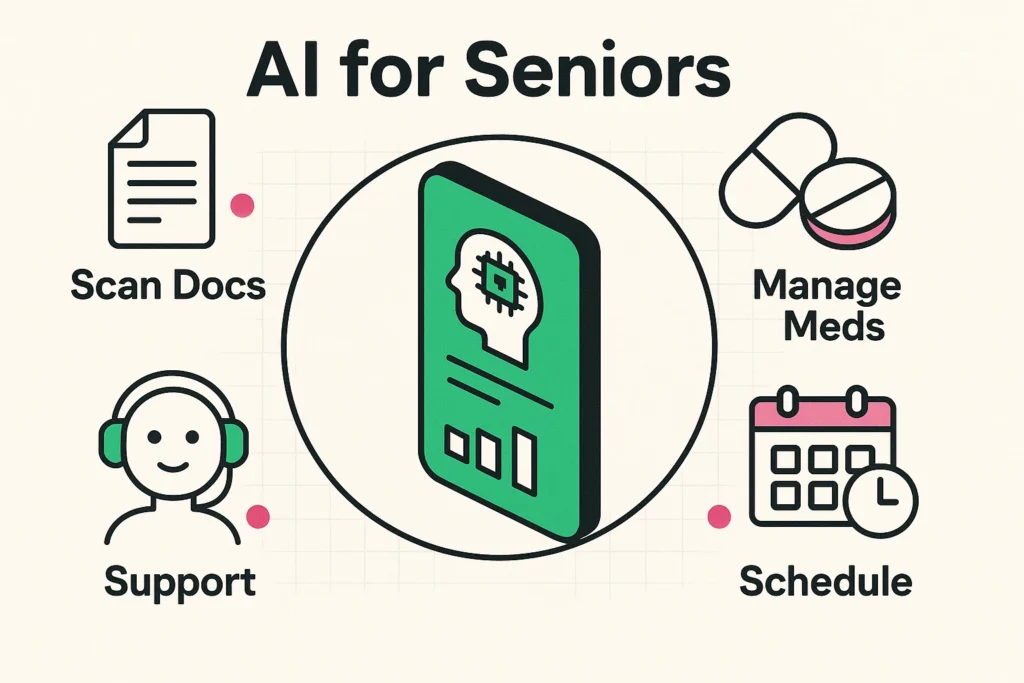
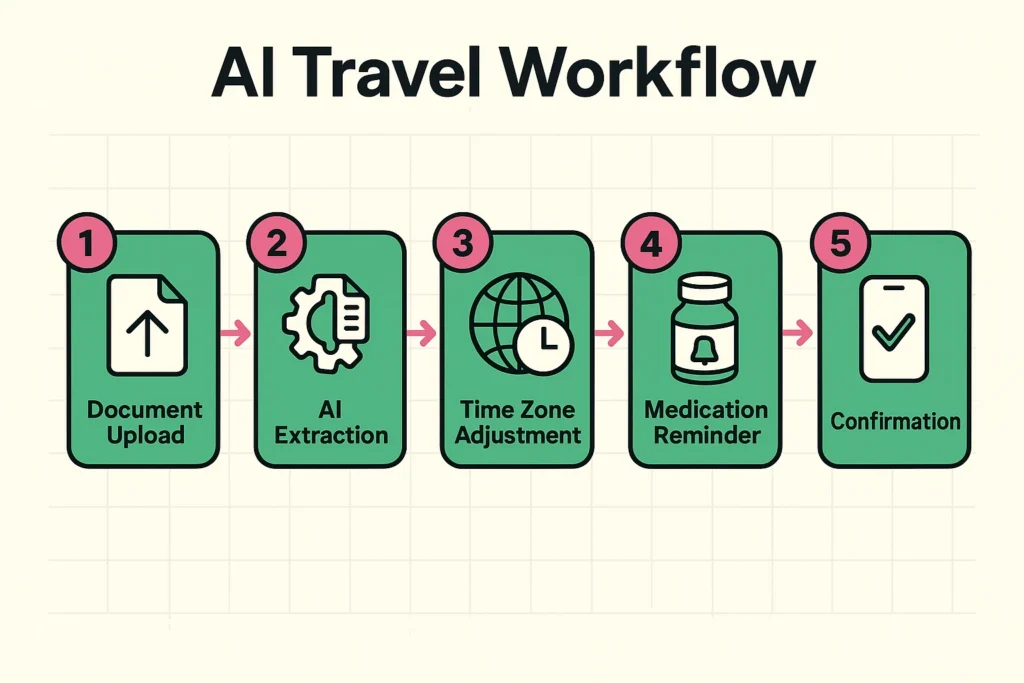
Remember that pile of travel documents? AI-powered apps can slay that dragon for you. You can take a picture of your passport, flight confirmation email, or hotel booking, and the AI gets to work.
Technical experts call this “automating data extraction,” which is a fancy way of saying the AI reads the document for you. It intelligently identifies the important stuff—like your flight number, hotel address, and check-in time—and organizes it into a neat, easy-to-read itinerary. No more frantic digging through your bag for a crumpled piece of paper at the check-in counter. It’s all right there on your phone.
Managing medications while traveling is a serious concern. A missed dose or a double dose can have real health consequences. This is where AI truly shines, especially for anyone juggling a complex schedule.
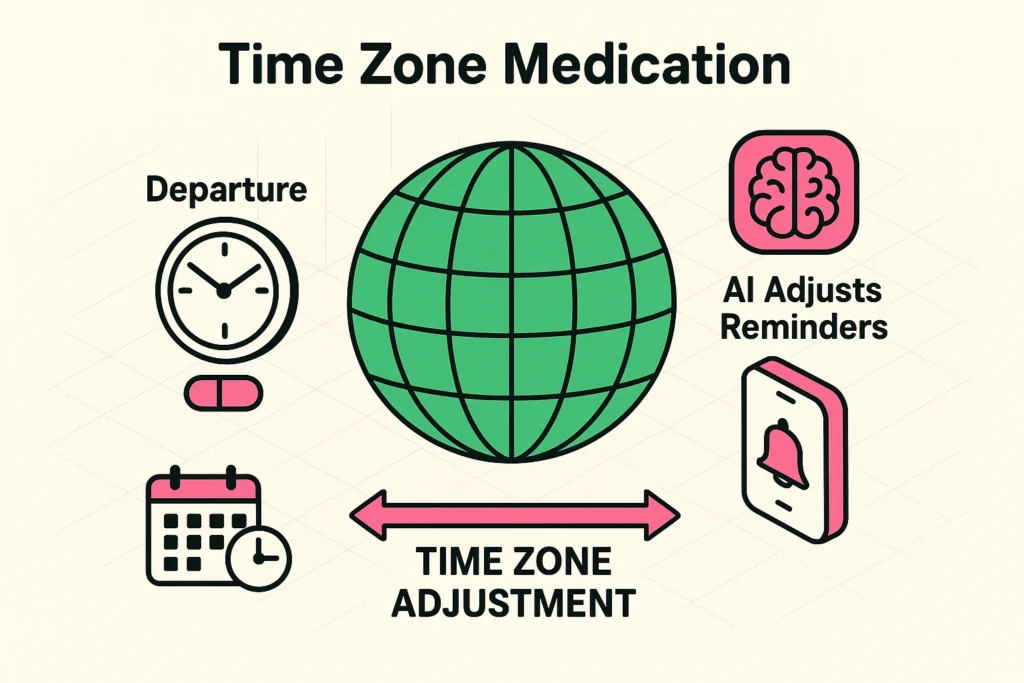
Instead of a simple alarm that goes off at the same time every day, AI-powered health apps are much smarter. You input your medication schedule once. Then, as you travel, the app uses your phone’s location to automatically adjust reminders to the local time zone.
So, when you land in London, your “8 AM pill” reminder will go off at 8 AM London time, not 3 AM when your body clock is still back in Chicago. Research from institutions like the National Institutes of Health has shown that these smart, adaptive reminders significantly improve medication adherence. It takes the mental gymnastics out of the equation so you can focus on enjoying your trip.
While these all-in-one AI travel apps are fantastic, some people prefer a dedicated device. If you’re looking for a simple, focused tool, you might also explore a physical medication timer to complement your digital assistant. The goal is to create a system that works for you, giving you peace of mind.
It’s natural to be a little skeptical of new technology, especially when it involves your personal documents and health information. Let’s tackle a few common worries head-on.
This is the biggest misconception. The whole point of these apps is to make life simpler. They are designed with user-friendly interfaces, often with large buttons and clear instructions. If you can use a weather app or send a photo to your grandkids, you have all the skills you need to get started.
This is a valid concern. The key is to choose reputable apps. Look for apps from well-known companies that have clear privacy policies explaining how your data is protected. They use strong encryption (a way of scrambling your data so only you can read it) to keep your documents and health information safe. Think of it like a digital safe deposit box.
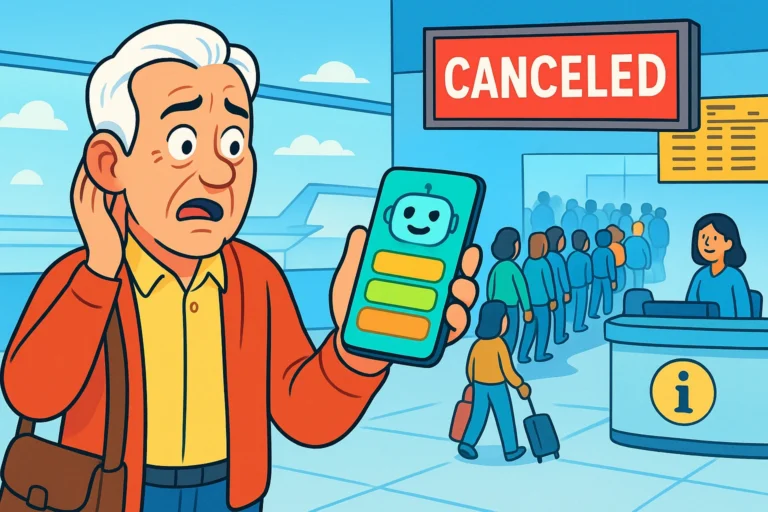
AI is an assistant, not a replacement for your own good judgment. As one travel expert at Seven Corners noted, even the best AI can sometimes get things wrong. It’s always a good idea to double-check critical details, like your flight departure time or medication dosage. Use the AI to organize everything, but give it a final once-over yourself. It’s your co-pilot, not the pilot.
The easiest way to begin is by searching your phone’s app store (the Apple App Store for iPhones or Google Play Store for Androids) for “AI travel planner” or “smart medication reminder.” Read the reviews and pick one that looks straightforward.
Nope! Most modern smartphones are powerful enough to run these apps without any issues. If your phone can browse the internet and take pictures, you’re likely good to go.
Many of the best AI travel and health apps offer free versions that are perfectly capable of handling document organization and medication reminders. Some may offer premium features for a small monthly fee, but you can get tremendous value without paying a dime.
It uses the same technology as your phone’s clock or a map app. It detects your location through GPS or Wi-Fi networks and automatically updates itself. You don’t have to do a thing!
Traveling should be about making memories, not managing logistics. By letting a little bit of smart technology handle the tedious parts, you free yourself up to actually enjoy the adventure. You can explore that museum, savor that gelato, or just relax by the pool, confident that your passport is safely stored and your next pill reminder will arrive right on time.
The next time you’re planning a getaway, consider downloading an AI-powered travel assistant. It might just be the best souvenir you bring home.