Newsletter Subscribe
Enter your email address below and subscribe to our newsletter


Online safety tips for seniors should make a decision easier, not more technical. Before you trust an unfamiliar website, check the exact address for misspellings, search the business name with ‘scam’ or ‘complaint,’ verify contact and return information independently, compare reviews away from the site, and inspect the final payment page. If the seller creates urgency, demands an unusual payment method, or fails more than one check, close the page and buy elsewhere. There is always another store.
Five minutes is about one commercial break. That is the whole cost of this, once you know what you are looking at.
Here is the routine, in order:
None of it requires you to be technical. It requires you to be slightly harder to rush.
That second part is the whole trick. A scam site is built to make you hurry, and hurrying is the only thing it needs from you.
Read the domain from right to left before the first single slash and look for substitutions such as a zero for the letter O, extra words, or an unfamiliar ending. A .com address is not automatically safe, and .biz or .info is not automatically fraudulent. HTTPS and the browser padlock mean the connection is encrypted; they do not prove the business is honest. The padlock is about privacy, not honesty. Treat a browser certificate warning as a stop sign, but never treat the absence of a warning as approval to buy.
Find the first single slash in the address. The words immediately to the left of it are the real destination.
Everything after that slash is decoration. It can say whatever the owner wants it to say.
So in paypal.com.secure-login.info/verify, the site you are actually standing on is secure-login.info. PayPal is the set dressing.
Then look for the substitutions that slide right past a skimming eye:
A familiar brand with an ending you have never seen it use
A zero doing the work of the letter O, as in amaz0n
An added word, like amazon-support.com
A doubled letter, as in walmartt.com
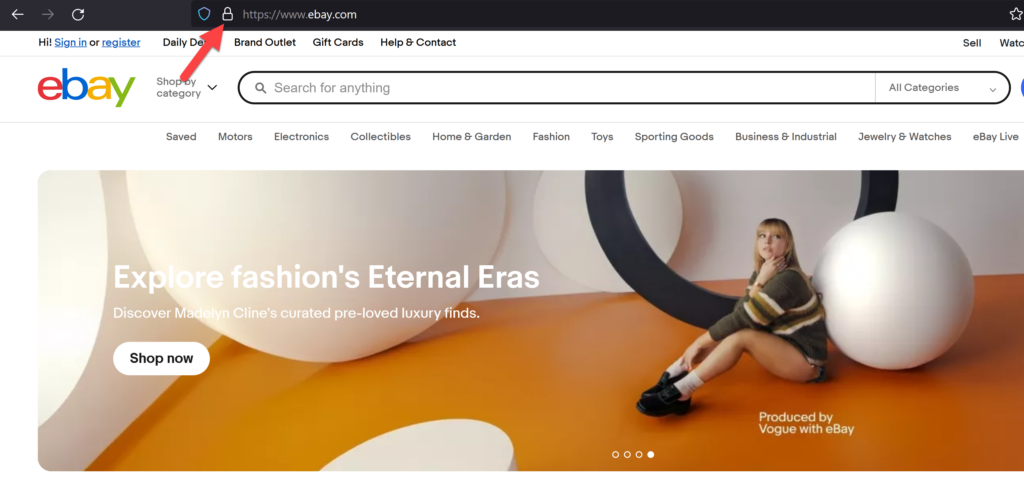
It promises that nobody can read your information while it travels between your computer and that website. That is the entire promise.
A thief can get a padlock for his site as easily as a florist can. It costs about the same, which is to say almost nothing.
If your browser throws up a certificate warning, close the tab and go do something else. Warnings are worth taking seriously… silence means nothing at all.
Checking a website’s content can help you determine if it is trustworthy. Consider the design and the quality of the writing.
Here are some tips to help you do this:
A legitimate website usually has a polished and professional look. Look for clean designs and organized layouts. Poor-quality graphics or mismatched fonts can be a sign of a scam.
Check if the website is easy to use. Good websites will have clear menus and all links will work properly. If the site looks outdated or cluttered, proceed with caution.
Be wary of an excessive number of ads or pop-ups. Legitimate sites will have ads, but too many might indicate that the site is not focusing on quality content.
Pay attention to spelling and grammar. A page full of errors still signals a lack of professionalism.
Clumsy writing is a weaker clue than it used to be, though. A scammer with an AI tool can produce clean, polished paragraphs in seconds, so good grammar earns a site no credit.
Check whether the information is detailed and useful. Vague or heavily promotional writing that never gets specific is the thing to watch for now.
A legitimate store should make it possible to understand who is selling, how returns work, and what the full charge will be. If any of those three is hard to find, that is the answer. Search the listed address and phone number outside the site. Read the return window, restocking fees, return shipping rules, and destination address. At checkout, confirm that the domain has not changed and that the total matches the advertised price. Prefer a credit card when available because it generally provides stronger dispute rights than debit cards. Leave immediately if the seller requires gift cards, cryptocurrency, wire transfer, or a personal payment-app transfer.
Everything in that paragraph comes down to three questions. Who is selling this, what happens if I want to send it back, and what will actually hit my card?
A real store answers all three without making you hunt. A fake one makes at least one of them oddly hard to find.
Copy the store’s address into a map search and look at it. If the warehouse turns out to be a nail salon in a strip mall, you have your answer in about eight seconds.
This is where the money changes hands, so slow down for a moment. Check that the web address at checkout still matches the store you have been shopping on.
Then check the total. Surprise shipping, a surprise handling fee, and a currency you did not expect are all good reasons to close the tab.
Our safe online shopping tips go further into paying safely and choosing where to buy.
Search the business name, domain, and product name across several independent sources. Look for specific experiences involving delivery, returns, refunds, and customer service rather than a simple star average. One review describing a slow refund tells you more than a page of perfect ones. Read the newest and lowest-rated reviews, open reviewer histories when available, and watch for bursts of nearly identical praise. A new business may have little history without being fraudulent, so combine reputation with the domain, contact, policy, and payment checks rather than relying on one score.
That last one is quietly useful. An account that posts regularly and answers annoyed customers in public is behaving like a real business… an account with nine followers and one post from 2023 is a stage prop.
Reviews written by software now read perfectly well, so flawless English proves nothing anymore. Once you learn to spot AI-generated stores and reviews, a glowing wall of five stars stops being persuasive.
Look for the boring reviews instead. The ones naming a specific product, a specific problem, and how the company handled it are the ones doing real work.
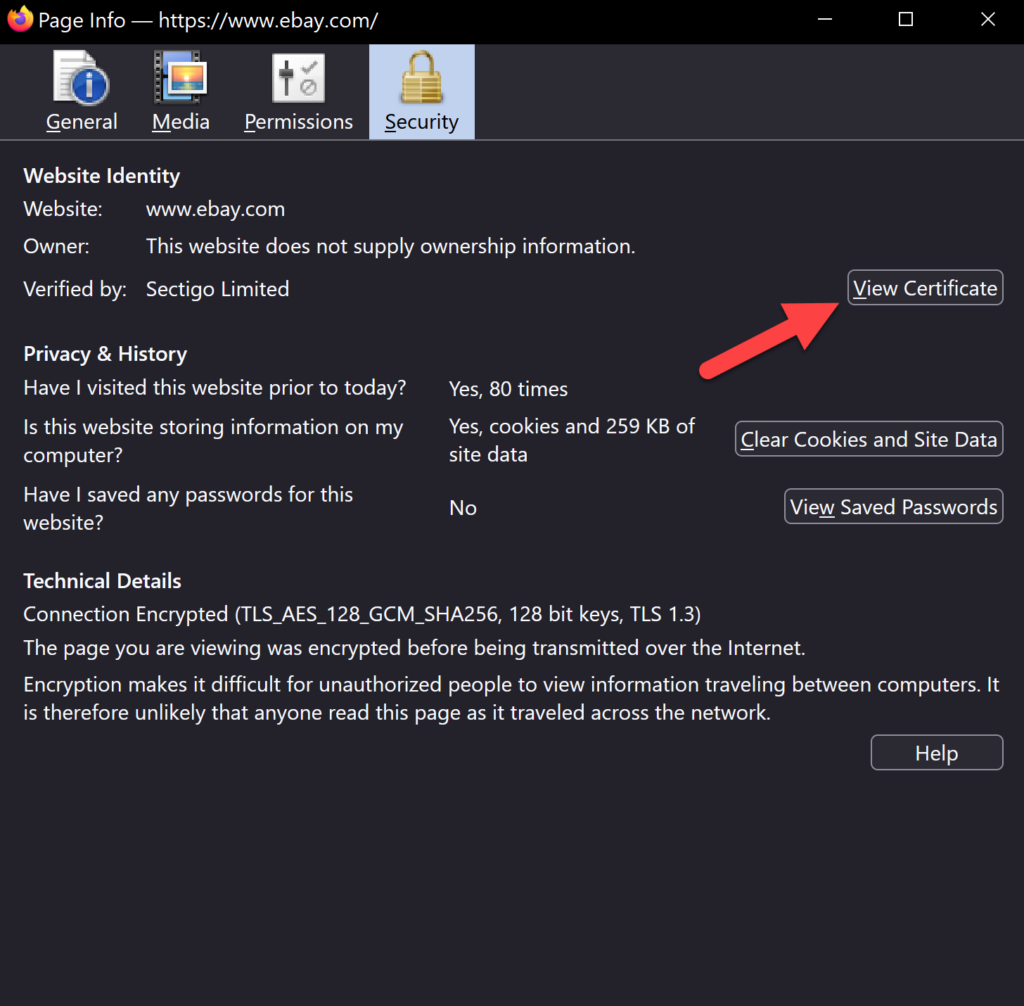
Paste a suspicious address into Google Safe Browsing’s Site Status tool at https://transparencyreport.google.com/safe-browsing/search and check the domain registration record through ICANN Lookup at https://lookup.icann.org/. A clean result means the service has not identified a known problem; it is not a guarantee that the seller is honest. Think of it as a clean record, not a character reference. Do not install a browser extension simply because an article recommends it. Use the protections already built into an updated browser, and download any additional security tool only from its official publisher.
Copy the address out of your browser bar, paste it into the box, and press enter. You will have an answer before your coffee cools.
Google Safe Browsing tells you whether that site has already been caught doing something dangerous. ICANN Lookup tells you when the domain was registered and who registered it.
A domain created eleven days ago that is selling discount hearing aids has earned a second look. A young domain proves nothing on its own, so treat it as one signal among several.
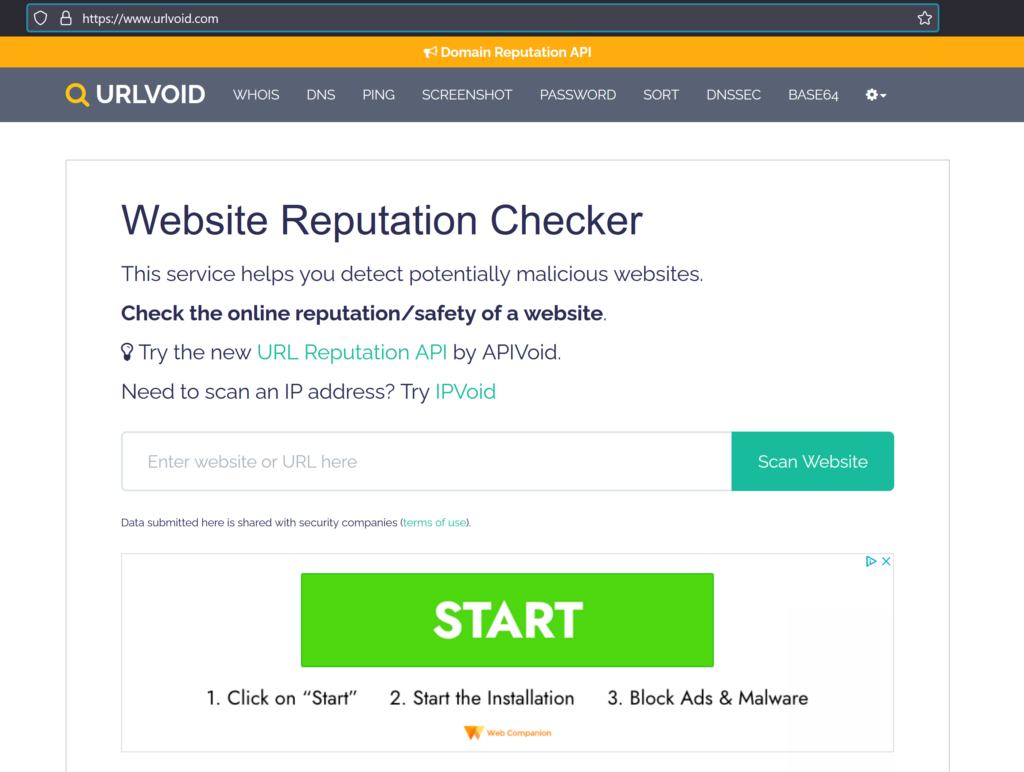
Every article on the internet wants you to install something. A fair number of them earn a commission when you do.
Your browser already blocks known dangerous sites for you, as long as you keep it updated. That covers most of what an extension would do.
If you do want extra protection, download it from the company’s own website… never from a pop-up, an ad, or a link in an email.
Print this one. Tape it to the side of the monitor, or keep it in the drawer with the good scissors.
Run through this before you pay.
□ The domain is spelled exactly as expected.
□ The browser shows no certificate or malware warning.
□ The business address and phone number match independent sources.
□ Return and refund terms are specific and reasonable.
□ Reviews come from more than the seller’s own page.
□ The price is believable compared with other sellers.
□ The checkout domain and total are correct.
□ Payment does not require gift cards, cryptocurrency, a wire, or a personal transfer.
Eight looks. Then decide.
If two or more checks fail, stop. Save the address and ask someone you trust for a second opinion. No explanation owed.
Nobody in the history of the internet has regretted walking away from a mattress deal at eleven at night.
If you paid, save screenshots, receipts, emails, and the exact website address. Call the card issuer or bank through a verified number and ask about blocking the card and disputing the transaction. Report the website at https://reportfraud.ftc.gov/. If personal identity information was exposed, create a recovery plan at https://www.identitytheft.gov/. Report a dangerous page to Google Safe Browsing through its official reporting form. Do not contact a ‘recovery service’ that asks for advance payment. Take these in order, and ask someone you trust to sit with you.
That last step is the one people skip, and it is the one that helps most. Saying it out loud ends the private spiral where you talk yourself into waiting a few days.
One more thing, and it matters more than the rest of this page. Being scammed says nothing about your judgment, and it happens to attorneys, engineers, and people who build websites for a living.
For the wider picture, our online safety guide for seniors pulls scams, privacy, and security together in one place.
To tell if a website is legitimate, check the exact domain, independently verify the business and contact details, read return terms, compare reviews across several sources, inspect the checkout domain and total, and avoid unusual payment methods. No single check settles it. Two or more failures are your answer.
No. HTTPS encrypts information between the browser and website, but scammers can also obtain certificates. A padlock does not prove that the seller, claims, products, or policies are trustworthy. It tells you the conversation is private. It tells you nothing about who is on the other end of it.
No. Any domain ending can be used by a legitimate business or a scammer. Judge the exact address together with independent business details, reputation, policies, claims, and payment options. The ending is the cheapest part of a website to choose, so it carries almost no information about the seller.
If you paid a fake website, save evidence, contact the card issuer or bank through a verified number, secure any reused password, report the incident at ReportFraud.ftc.gov, and use IdentityTheft.gov if identity information was exposed. Take them in order, and you do not have to do it alone.





Can u provide more comprehensive advice on how to use my computer more effectively
I replied to the email you sent about this, Monica. Look forward to hearing back from you 🙂
Chris