Newsletter Subscribe
Enter your email address below and subscribe to our newsletter

Enter your email address below and subscribe to our newsletter

Have you ever been at a family dinner, trying to follow a story from your grandchild, but it feels like you’re trying to eavesdrop on a secret agent meeting in the middle of a marching band competition? The clatter of forks sounds like a cymbal solo, your cousin’s laughter booms like a tuba, and your grandchild’s punchline gets completely lost in the chaos. You just nod and smile, hoping it wasn’t a question.
Or maybe you’ve squinted at a medicine bottle, trying to decide if it says “Take one tablet” or “Take one to Tahiti.” The text seems to shrink in self-defense, and you’re left wondering if you need a magnifying glass, a new pair of glasses, or a travel agent.
If any of this sounds familiar, you’re not alone. Our senses, bless their hearts, sometimes need a little help turning down the world’s background noise and turning up the important stuff. For years, hearing aids and glasses did their best, but it was like using a megaphone in a library—everything got louder, not necessarily clearer.
But now, technology has a new trick up its sleeve: Artificial Intelligence (AI). And before you imagine a tiny robot butler living in your ear, let’s demystify what this really means. Think of it less as science fiction and more as a personal audio and visual technician, working tirelessly to make your world sharper, clearer, and a whole lot less frustrating.
The term “Artificial Intelligence” gets thrown around a lot, often making things sound more complicated than they are. In reality, the “AI” in your sensory aids is just a fancy term for a device that can learn, adapt, and make intelligent decisions on its own. It’s like the difference between a basic toaster that just burns bread and a smart toaster that learns you like your sourdough golden-brown but your rye a little crispier.
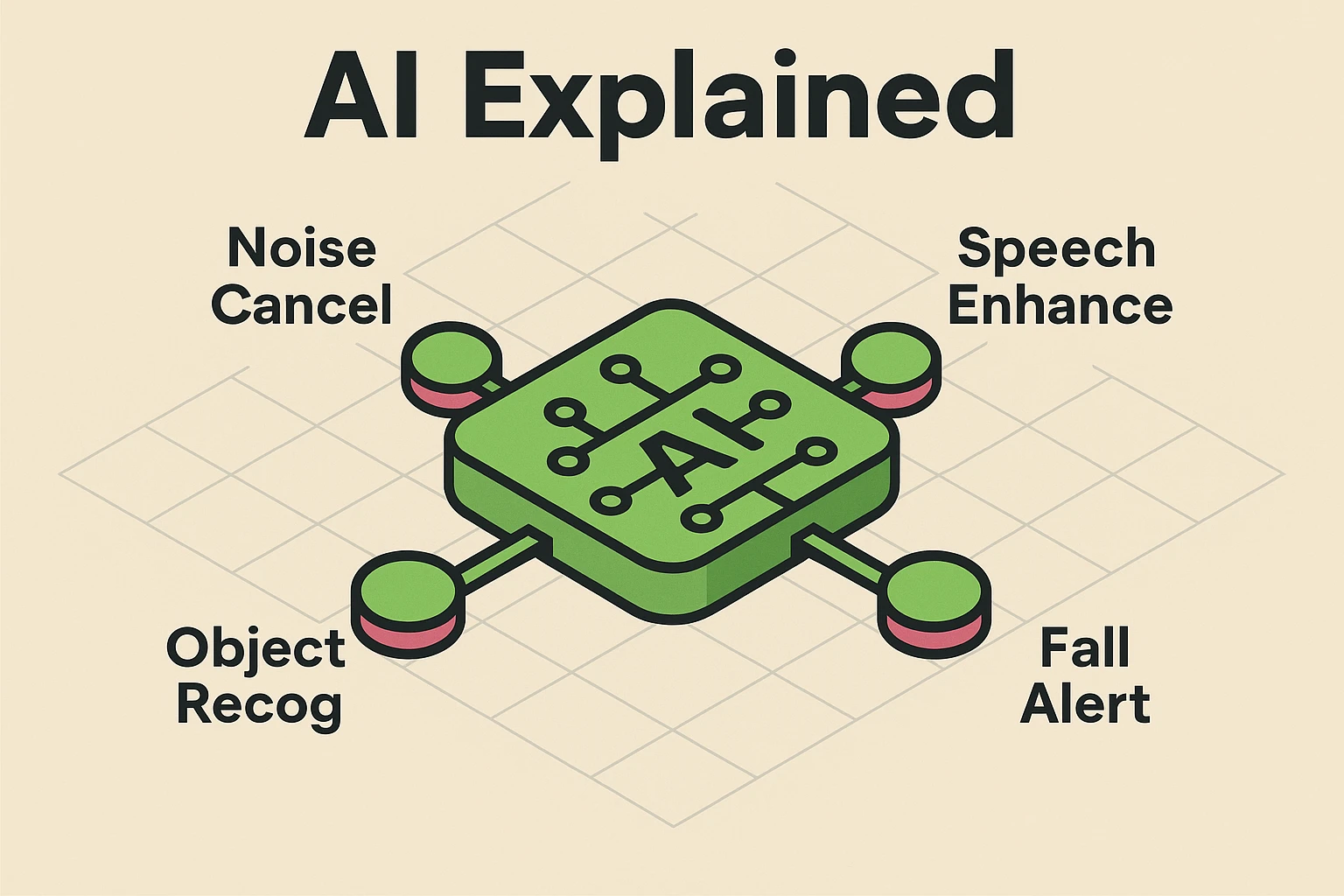
It’s not one single thing, but a team of technologies working together:
In plain English, these technologies work together to analyze your surroundings in real-time and automatically adjust what you see and hear. They are constantly asking, “What’s important right now?” and fine-tuning your experience without you having to lift a finger.
Okay, the theory is nice, but what does this look like when you’re just trying to live your life? This is where the magic happens. AI isn’t about complicated features; it’s about giving you tangible improvements that make every day better.
The ultimate superpower is when these technologies work together. Imagine walking down a busy street. Your AI hearing aids isolate the sound of an approaching car horn, while your AI glasses highlight a cyclist in your peripheral vision. You get a complete picture of your environment, allowing you to navigate the world with renewed confidence and safety.
New technology often comes with a healthy dose of skepticism. It’s easy to imagine these devices are too expensive, too complicated, or even a bit invasive. Let’s clear the air.
Myth #1: “AI aids are too complicated for me to use.”
Myth #2: “They’re probably way too expensive.”
Myth #3: “Is it listening to everything? What about my privacy?”
guide to digital privacy.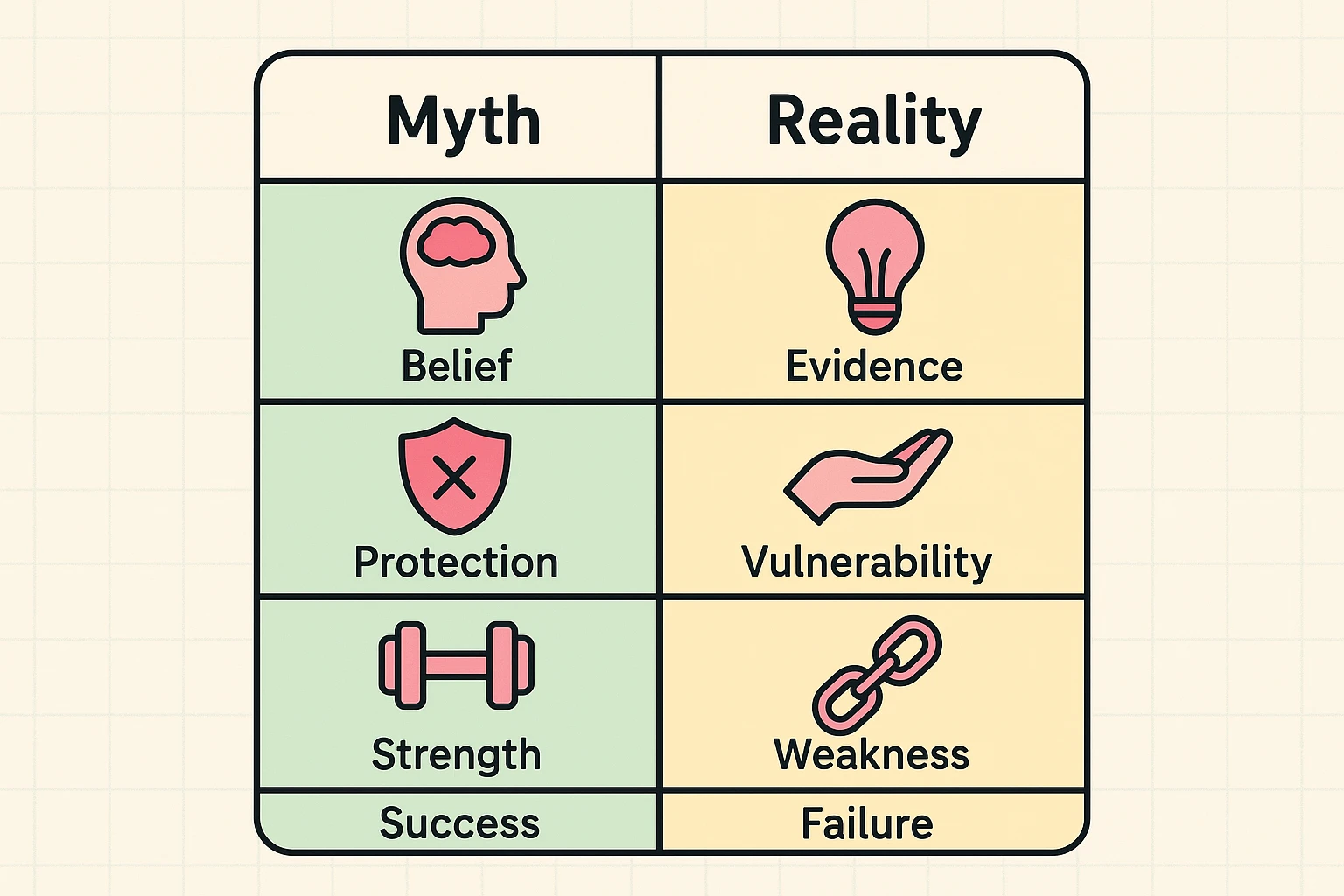
Feeling ready to explore your options? The best first step is talking to a professional, like an audiologist or vision specialist. But you don’t have to walk in cold.
Here’s a simple checklist of questions to ask to make sure you get a device that’s right for your life, not just the one with the most bells and whistles:
For many, the answer is a resounding yes. By reducing the mental effort required to hear (known as “listening fatigue”), these devices don’t just improve hearing—they can help you stay more engaged in conversations, feel more confident in social situations, and even support your overall brain health.
Much gentler than you’d think! Most of the AI magic happens automatically in the background. Your main job is to wear the device and let it do its work. Your audiologist will handle the initial setup to match your specific needs.
Absolutely. Most modern AI sensory aids come with Bluetooth connectivity, allowing you to stream phone calls, music, or television audio directly into your hearing aids for crystal-clear sound.
AI-powered sensory aids aren’t about turning you into a cyborg. They’re about restoring the ease of connection and the simple joy of experiencing the world with clarity and confidence. They’re about making sure you catch the punchline, read the instructions correctly, and move through your day with one less thing to worry about.
It’s not about adding more complicated technology to your life. It’s about using smarter technology to make your life simpler.