Newsletter Subscribe
Enter your email address below and subscribe to our newsletter

Enter your email address below and subscribe to our newsletter
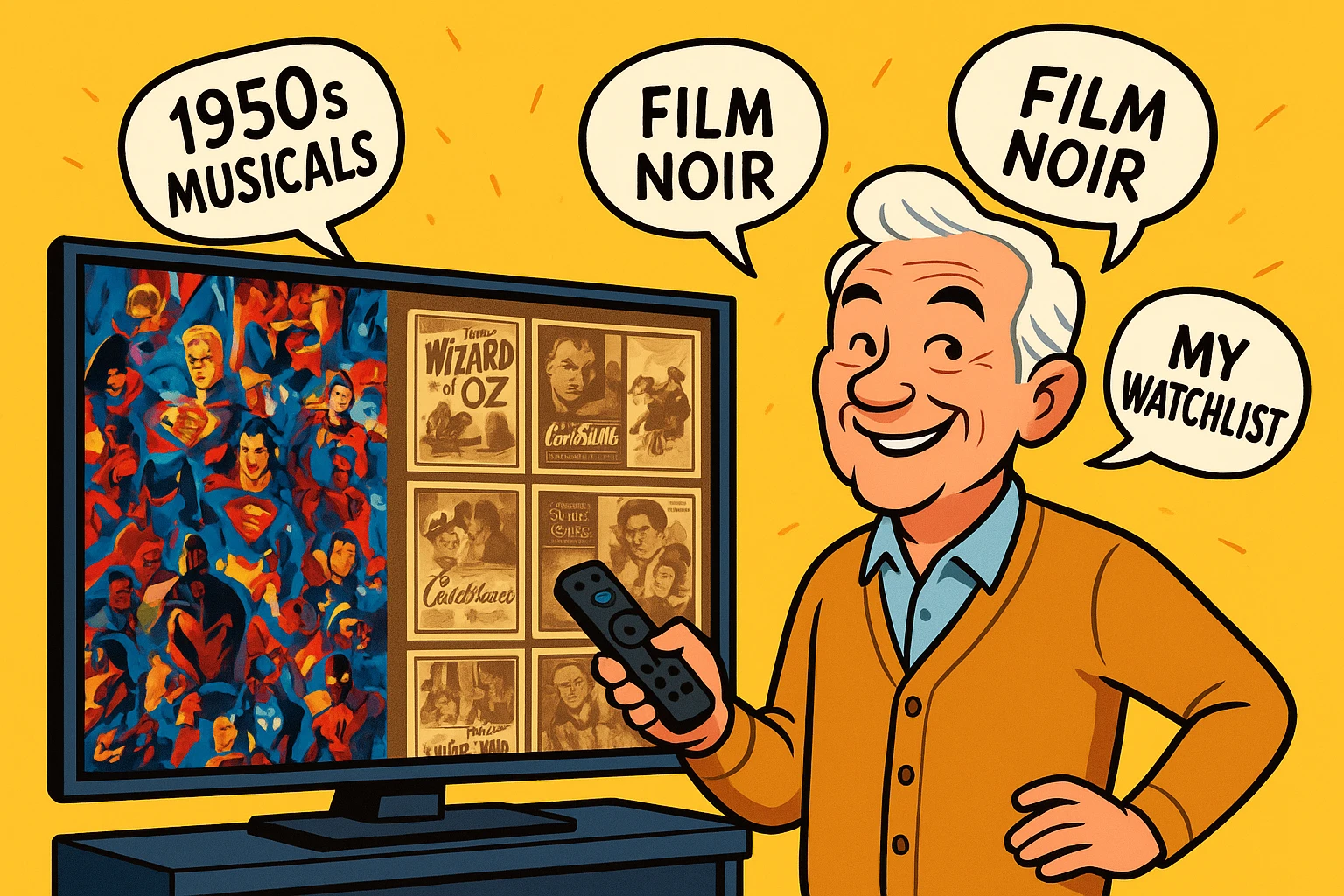
Learn how to guide AI and streaming filters to discover your favorite classic movies from iconic eras.
Have you ever fired up your television, ready to settle in with a true classic—maybe a Cary Grant comedy or a dramatic masterpiece with Bette Davis—only to be met with a digital tidal wave of things you have absolutely no interest in? The screen assaults you with titles like Mega-Bot Apocalypse VII and The Real Housewives of Outer Space. You scroll and scroll, feeling like an archaeologist searching for a lost civilization, except the artifact you’re after is just a simple movie made before 1970.
If this sounds familiar, you’re not going crazy. Modern streaming services like Netflix and Prime Video are designed with an attention span shorter than a gnat’s. Their computer brains, often called “algorithms,” are trained to push whatever is new, shiny, and trending. They’re like an overeager waiter who keeps recommending the jalapeño-avocado-sushi-taco because it’s popular, when all you really want is a good, old-fashioned pot roast.
But here’s the good news: you can teach that waiter your order. You can train the algorithm to stop showing you endless superhero sequels and start recommending the golden oldies you actually want to watch. It just takes a little know-how.
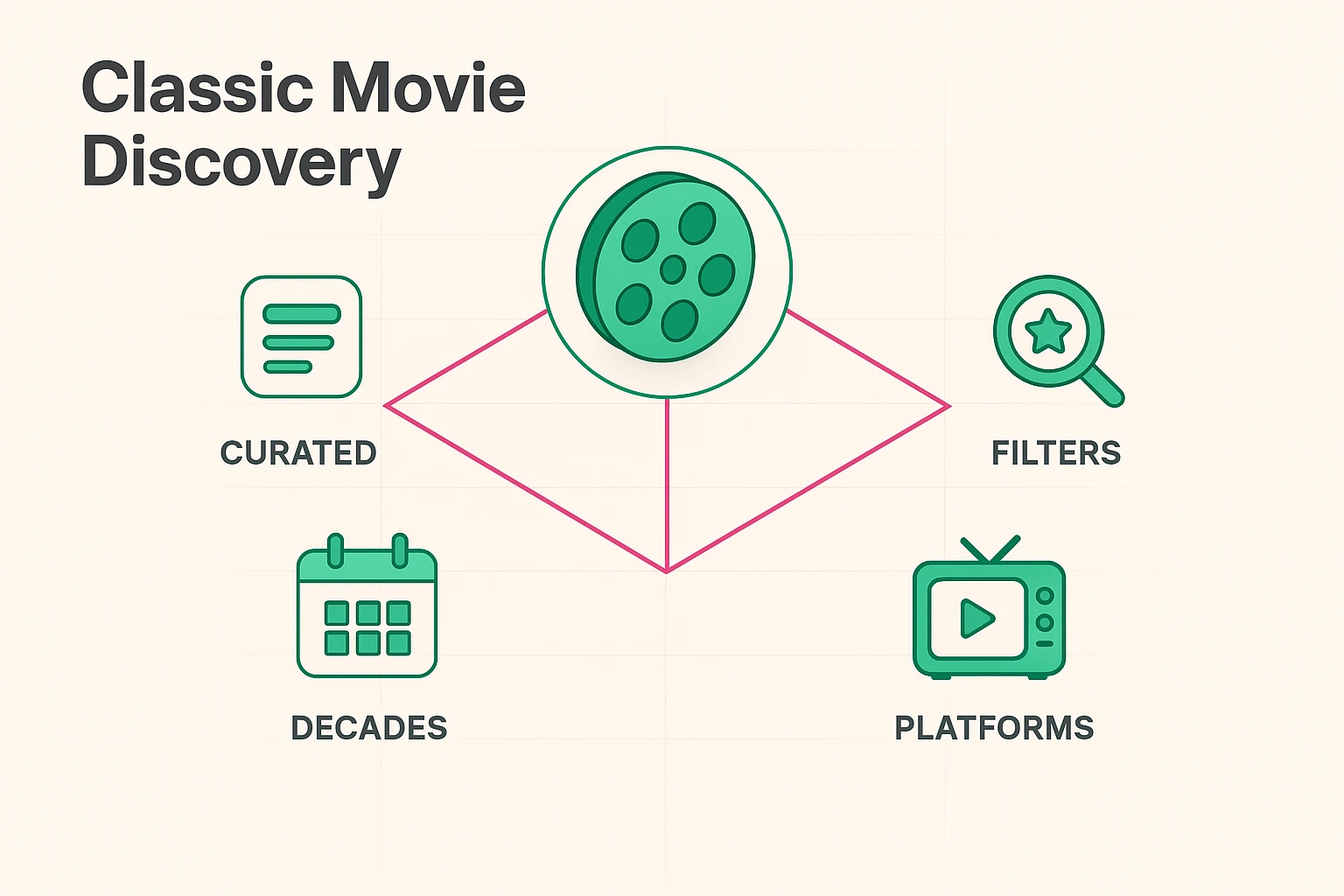
Before we dive in, it helps to understand that streaming services are like two different kinds of stores.
These services are run by film experts. Think of them as a small, charming bookshop where every volume is hand-picked. They won’t have everything, but what they have is guaranteed to be high-quality and significant. Their main job is curation, not just quantity.
These are the Costcos of the streaming world. They have a massive, overwhelming inventory. Finding a 1940s film noir here can feel like searching for a single specific needle in a haystack the size of Texas. The key to navigating these warehouses is knowing how to use their tools to your advantage.
The algorithm is your student, and you are its professor. Your mission is to give it a proper education in classic cinema. Here’s your lesson plan.
A vague search is a useless search. Typing “old movies” into the search bar is like walking into a library and shouting “I want a book!” You’ll get… something, but probably not what you wanted.
Instead, be the boss. Give clear, specific commands.
The more specific you are, the faster the algorithm learns what “old movies” means to you. It starts to connect the dots: “Ah, this person likes black-and-white films with fast-talking detectives!”
Most streaming services have a “filter” or “browse by category” section that most people ignore. This is your secret weapon. After you search for a broad category like “Drama” or “Comedy,” look for an option to refine your results.
You can often filter by:
Think of it as giving the algorithm a checklist. “Show me movies that are:
A) Comedies,
B) from the 1950s, and
C) feature a talking mule.” (Hey, it was a popular genre).
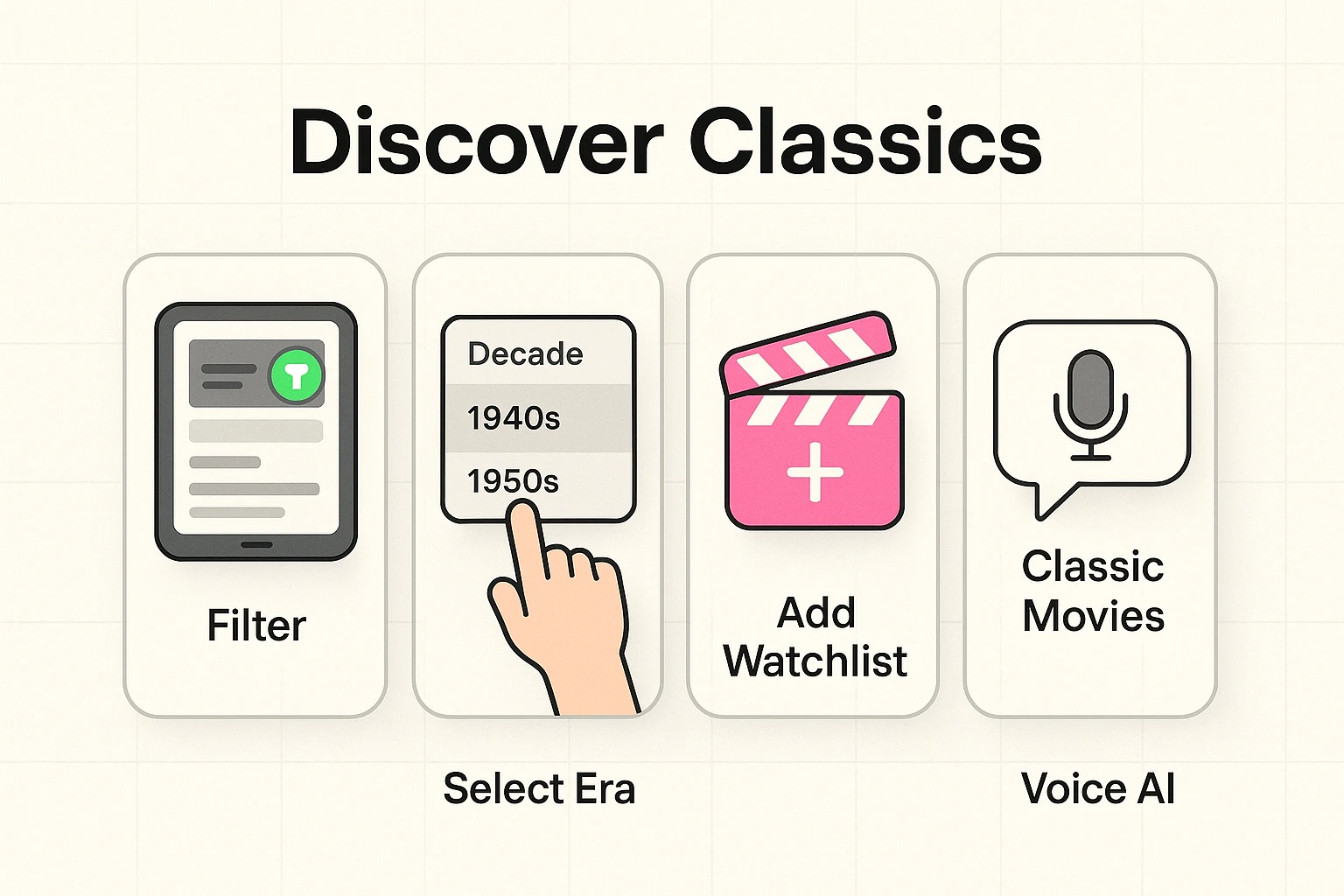
Every time you find a movie that looks interesting—even if you don’t have time to watch it right now—add it to your “Watchlist” or “My List.”
This is the most powerful signal you can send to the algorithm. Adding a movie to your watchlist is like telling it, “YES! More of THIS, please!” It’s positive reinforcement for your digital student. After you’ve added a dozen classics to your list, the service’s homepage will magically start looking less like a teenager’s fever dream and more like a proper cinema marquee.
What if the movie you want isn’t on the big subscription services? You might not have to pay a dime. Many local libraries offer free streaming services to their members, and their classic film collections are often fantastic.
The two biggest names are Kanopy and Hoopla. Ask your local librarian if they offer access. You can use your library card to sign in and watch hundreds of incredible classic and international films for free. This is one of the best-kept secrets in the streaming world, and it’s 100% legal and safe, unlike those sketchy “free movie” websites that can be full of viruses and other digital gremlins. Speaking of which, it’s always a good idea to brush up on how to spot online scams, just in case you wander off the beaten path.
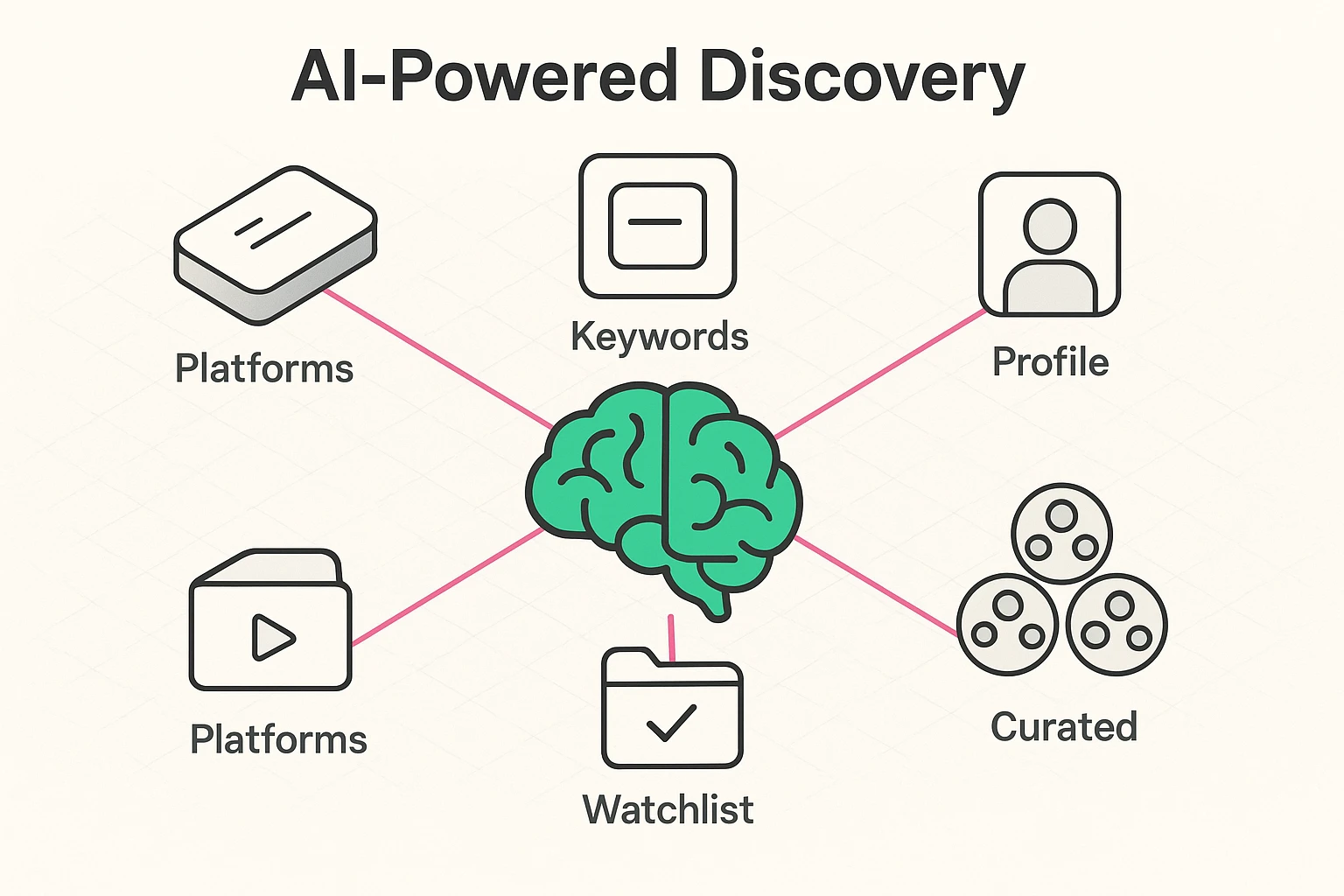
That’s the million-dollar question! Generally, film buffs consider the “Classic Hollywood” era to be from the 1920s to the 1960s. “Golden Oldies” is a broader term that can include anything from the silent era up through the 70s or even 80s, depending on who you ask. The best part is, you get to define it for yourself!
It’s a complicated mess of studio rights, distribution deals, and sometimes, lost film prints. A movie studio might have an exclusive deal with one service, or the rights might be tangled up in legal knots. That’s why it’s great to have access to a few different services, including free library apps, to widen your net.
Absolutely! Using your voice can be a fast way to search. Be just as specific. Instead of “Alexa, find an old movie,” try “Alexa, search for The Philadelphia Story on Prime Video.”
Finding the movies you love shouldn’t feel like a chore. By using specific keywords, mastering the filters, and building your watchlist, you’re not just finding a movie; you’re teaching the system what you like. You’re transforming it from a frustrating wall of noise into your own personal, on-demand cinema.
So grab the popcorn. The golden age of Hollywood is just a few smart clicks away.