Newsletter Subscribe
Enter your email address below and subscribe to our newsletter

Enter your email address below and subscribe to our newsletter
Back in the day, if you received a written message that didn’t make much sense, you usually assumed one of two things: either the postal service had dropped the letter in a puddle, or Uncle Larry had gotten into the holiday punch a little early. Communication was human, messy, and generally predictable.
Today, we live in a world where your toaster might need a Wi-Fi password and the “person” emailing you about a refund might actually be a highly sophisticated computer program. We’ve entered the age of Artificial Intelligence (AI), where software can write poetry, compose emails, and argue about politics with the confidence of a teenager who just read one Wikipedia article.
Sometimes, this technology is helpful—like when your phone suggests the word “appointment” so you don’t have to type it out. But other times, it’s used by scammers to create messages that look terrifyingly real. It’s enough to make you want to train a carrier pigeon and call it a day.
But don’t go buying birdseed just yet. While AI is smart, it has tell-tale “tics.” Just like a bad poker player, it has specific tells that give it away. We’re going to turn you into a digital detective, capable of spotting a bot from a mile away.
Before we start hunting for bad guys, let’s clear up what we’re actually looking at. When we talk about “AI text,” we aren’t talking about a metal robot sitting at a typewriter. We are talking about software that has read essentially the entire internet.
Think of AI as a very well-read parrot. It has memorized billions of sentences, but it doesn’t actually understand what it’s saying. It’s just really, really good at guessing which word comes next.
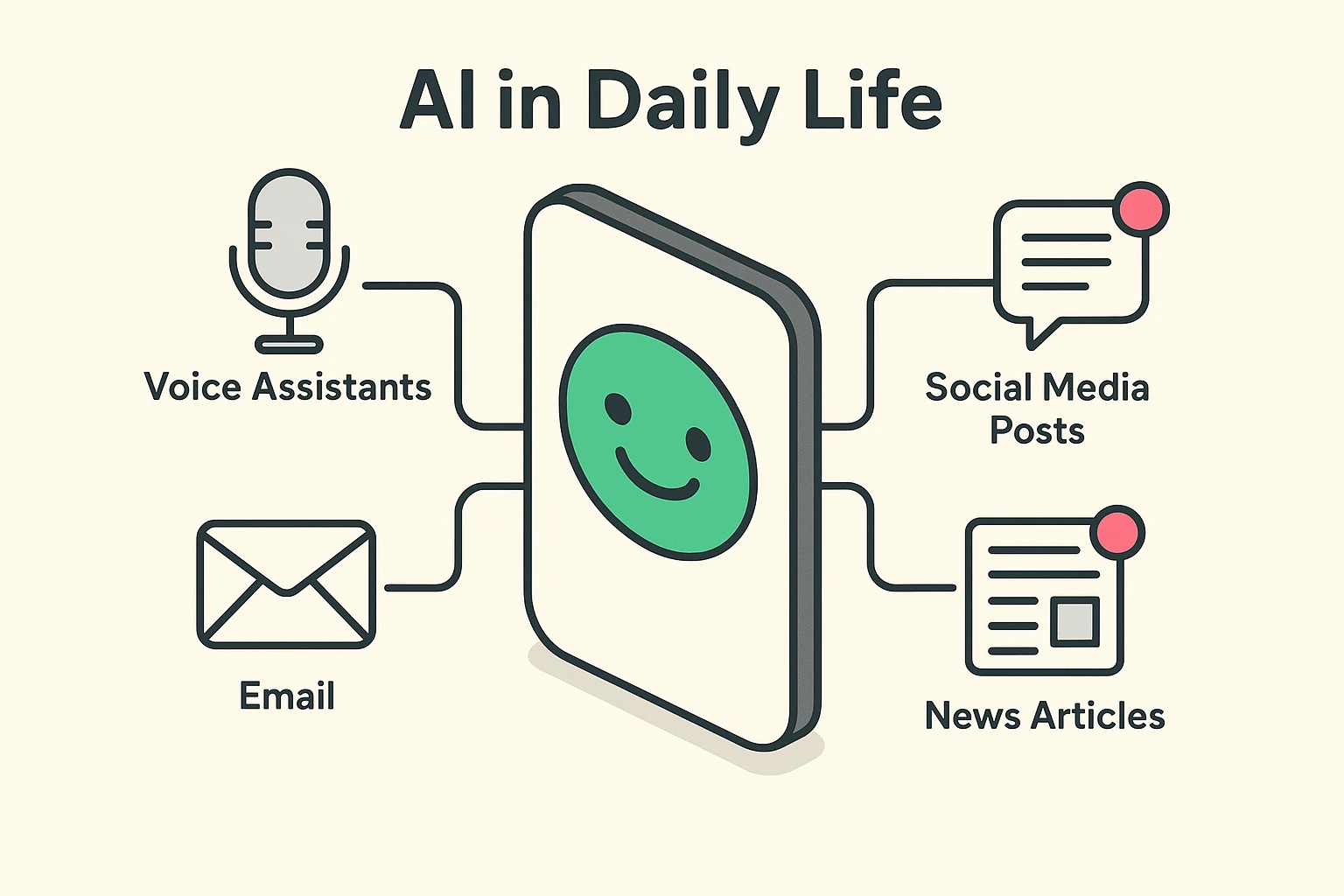
If you use Siri, Alexa, or even Google Search, you’ve already met AI. It’s a tool. However, bad actors have realized that this “parrot” can be taught to write fake bank emails, phony news articles, and romance scams faster than a human ever could.
The problem isn’t the technology; it’s who is holding the leash.
In the old days of internet scams, you could spot a fake email instantly. It usually claimed to be from a “Prince” and was filled with so many spelling errors it looked like a cat had walked across the keyboard.
AI has changed the game. It uses perfect grammar. It knows how to be polite. It can even mimic the tone of a worried bank teller or a frantic grandchild.
Research shows that scammers use AI to exploit our emotions. They know that if they can make you feel fear (“Your account is overdrawn!”) or love (“Grandma, I’m in trouble!”), you are less likely to look closely at the message. They use AI to cast a wide net, hoping to catch someone off guard.
So, how do you spot a writer that doesn’t have a heartbeat? Surprisingly, the biggest giveaway is that AI is often too perfect. Humans are messy. We use slang, we make typos, and we have unique ways of speaking. AI, on the other hand, often sounds like a stiff corporate manual.
Here are the specific red flags to watch for in emails, texts, and social media posts.
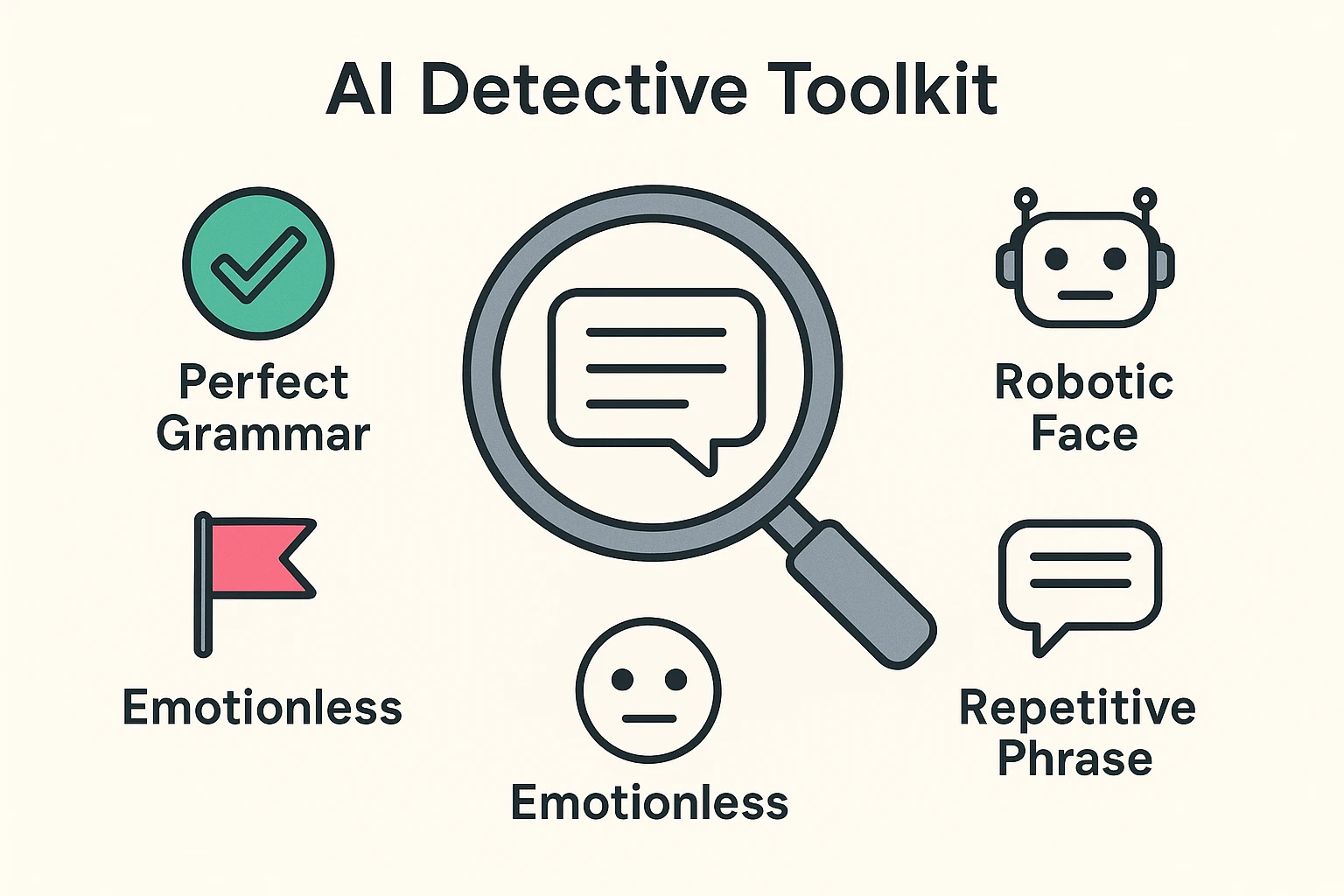
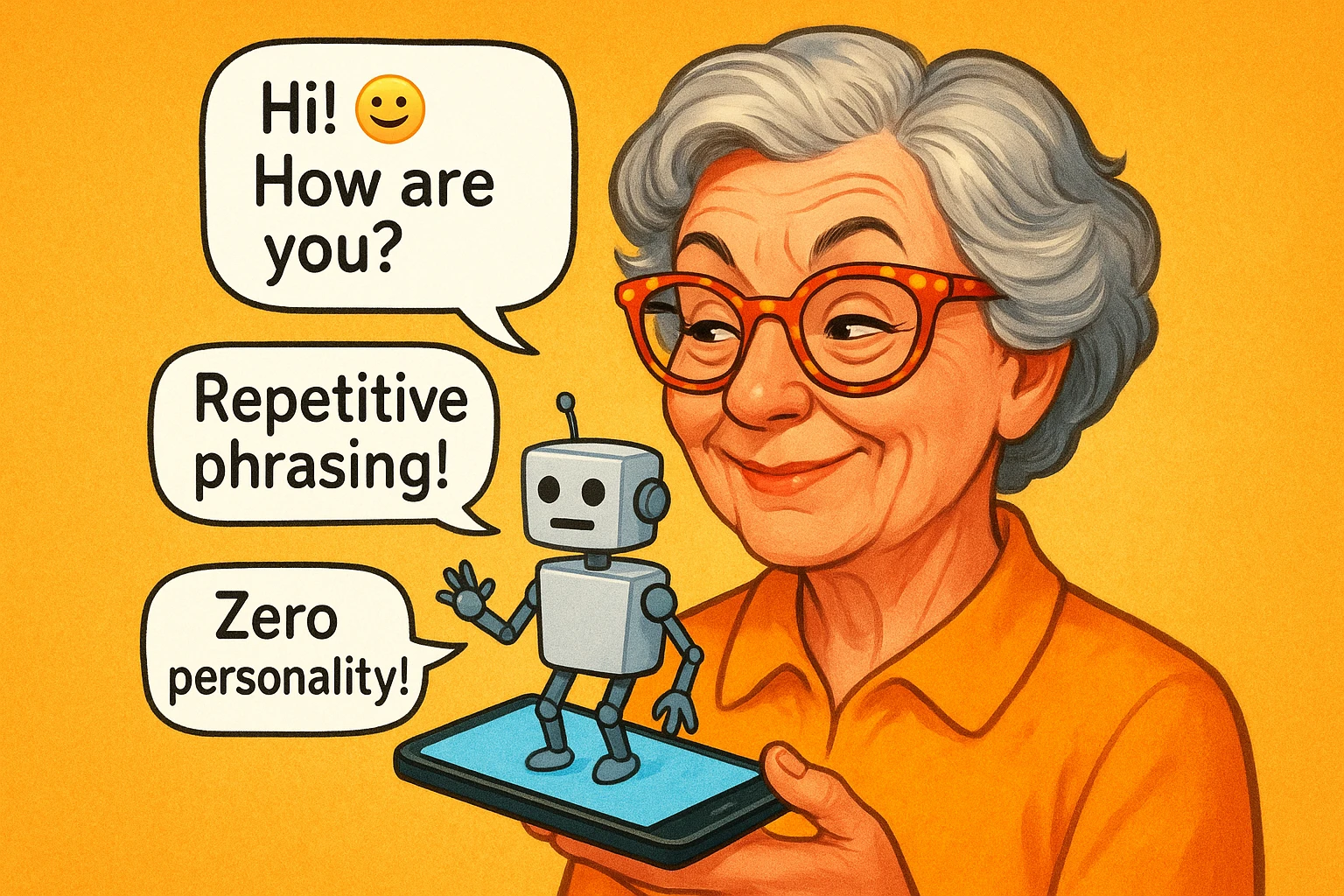
AI text often lacks soul. It feels flat, repetitive, and overly formal. If you get a text from your “grandson” that says, “Greetings Grandmother, I am currently incarcerated and require pecuniary assistance,” that is not your grandson. That is a robot. A real grandson says, “Hey Grammy, I messed up, help.”
Humans make mistakes. We use run-on sentences. We put emojis in weird places. AI text is usually grammatically flawless but completely generic. If a message reads like it was written by a stern English teacher from the 1950s, be suspicious.
AI tends to loop. It might say the same thing three different ways in the same paragraph. It’s trying to be helpful, but it ends up sounding like someone trying to reach a word count on a high school essay.
This is a big one. AI can lie with absolute confidence. It might reference a news event that never happened or a policy that doesn’t exist. Just because it sounds authoritative doesn’t mean it’s true. Always double-check facts with a trusted source.
Knowing the signs is step one. Knowing what to do when you spot them is step two. The goal here isn’t to be paranoid; it’s to be prepared. Think of it like looking both ways before crossing the street. It doesn’t mean you’re afraid of cars; it just means you’re smart.
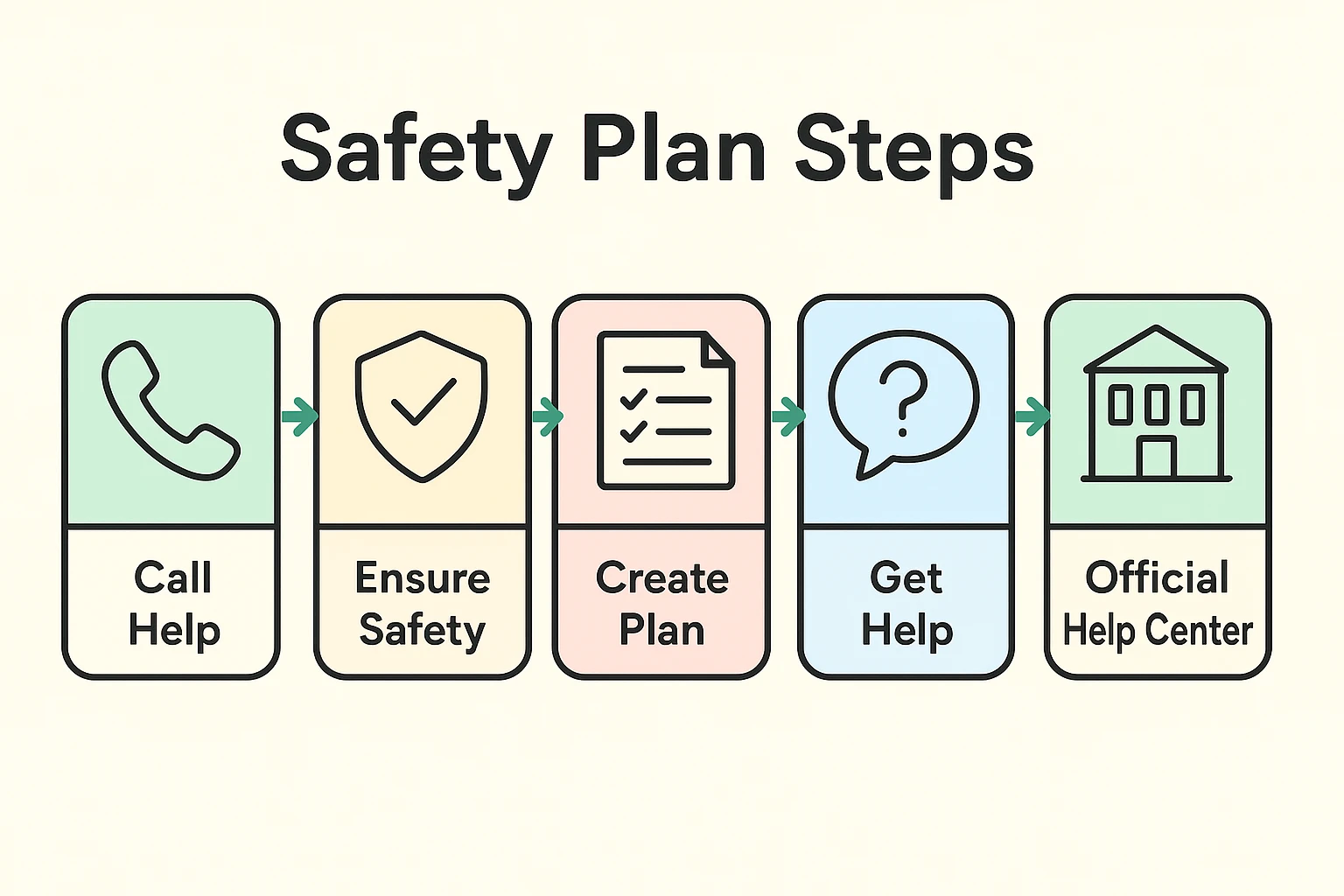
If a message triggers an emotional response—panic, excitement, or fear—stop immediately. Put the phone down. Take a sip of coffee. Scammers want you to act fast. AI is programmed to create urgency.
By pausing, you break the spell.
If you get a suspicious email from your bank, do not click the link. Close the email, find the phone number on the back of your credit card, and call them. If you get a text from a family member asking for money, call them on their known number. If they don’t answer, call their parents or spouse.
Unfortunately, yes. “Voice cloning” is a type of AI that can mimic a person’s voice using just a short audio clip (often taken from social media videos). This is why calling the person back on their real number—or having a family “safe word”—is a great safety measure.
There are “AI detectors” available online, but they are not 100% reliable. They often make mistakes. The best detector is your own common sense and your gut instinct. If it feels “off,” it probably is.
Not at all! It just means you need a healthy dose of skepticism. Continue to email your friends and read the news. Just remember that if something seems too good to be true, or too dramatic to be real, it might be the work of a creative algorithm.
Don’t panic. If you replied to a text but didn’t give out personal info, you might just get more spam. Block the number and delete the message. If you clicked a link or gave out information, contact your bank or credit card company immediately.
Technology moves fast, but human intuition is still a powerful tool. By understanding that AI is just a computer program guessing words, you strip away the mystery. You don’t need to be a tech wizard to stay safe; you just need to keep your eyes open and your “baloney detector” turned on.
So the next time you get an email that sounds a little too perfect, or a text that feels slightly robotic, give a little chuckle. You’ve spotted the pigeon in the room. Delete the message, pour another cup of coffee, and enjoy the rest of your day, safe in the knowledge that you’re smarter than the machine.