Newsletter Subscribe
Enter your email address below and subscribe to our newsletter

Enter your email address below and subscribe to our newsletter
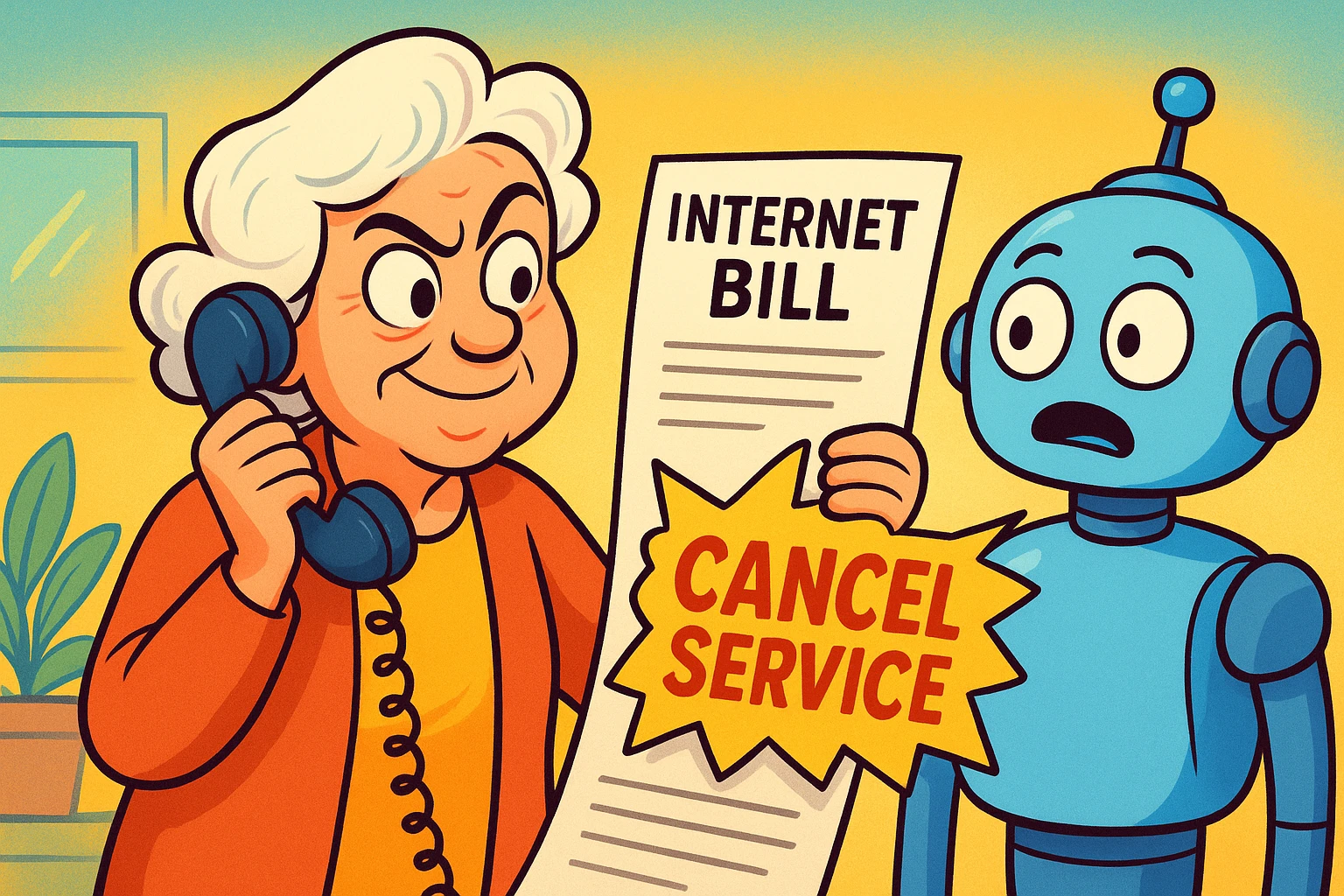
Do you remember when you first signed up for your internetThe Internet is a vast network of computers and other electronic devices connected globally, allowin... More service? It probably felt like a courtship. The company rolled out the red carpet, offered you a shiny introductory price, and maybe even threw in a free year of a streamingStreaming refers to the process of transmitting or receiving multimedia content, such as audio, vide... More service you’ve never watched. It was a honeymoon period.
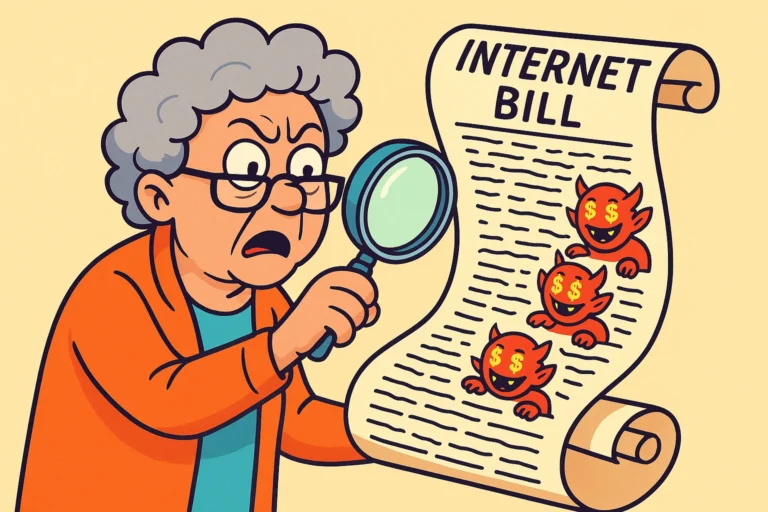
But then, 12 months rolled by. You opened your bill, and suddenly the honeymoon was over. The price had jumped by $20, then $30. You look at the total and think, “Did I accidentally buy a small island?”
If you call customer service, you are greeted by a cheerful robot who insists you “listen closely because our menu options have changed” (Spoiler alert: They haven’t). Then you wait on hold, listening to a saxophone solo that sounds like it’s being played underwater, only to be told there’s nothing they can do.
Here is the secret they don’t want you to know: That price hike isn’t a mistake; it’s a business model. It’s called the “Loyalty Tax.” They count on the fact that you, a nice, polite person, would rather pay an extra $30 a month than undergo the hassle of negotiating or switching.
But today, we are going to change that. We are going to turn you into a negotiation ninja. Put on your comfortable pants and grab a cup of coffee. We’re going in.
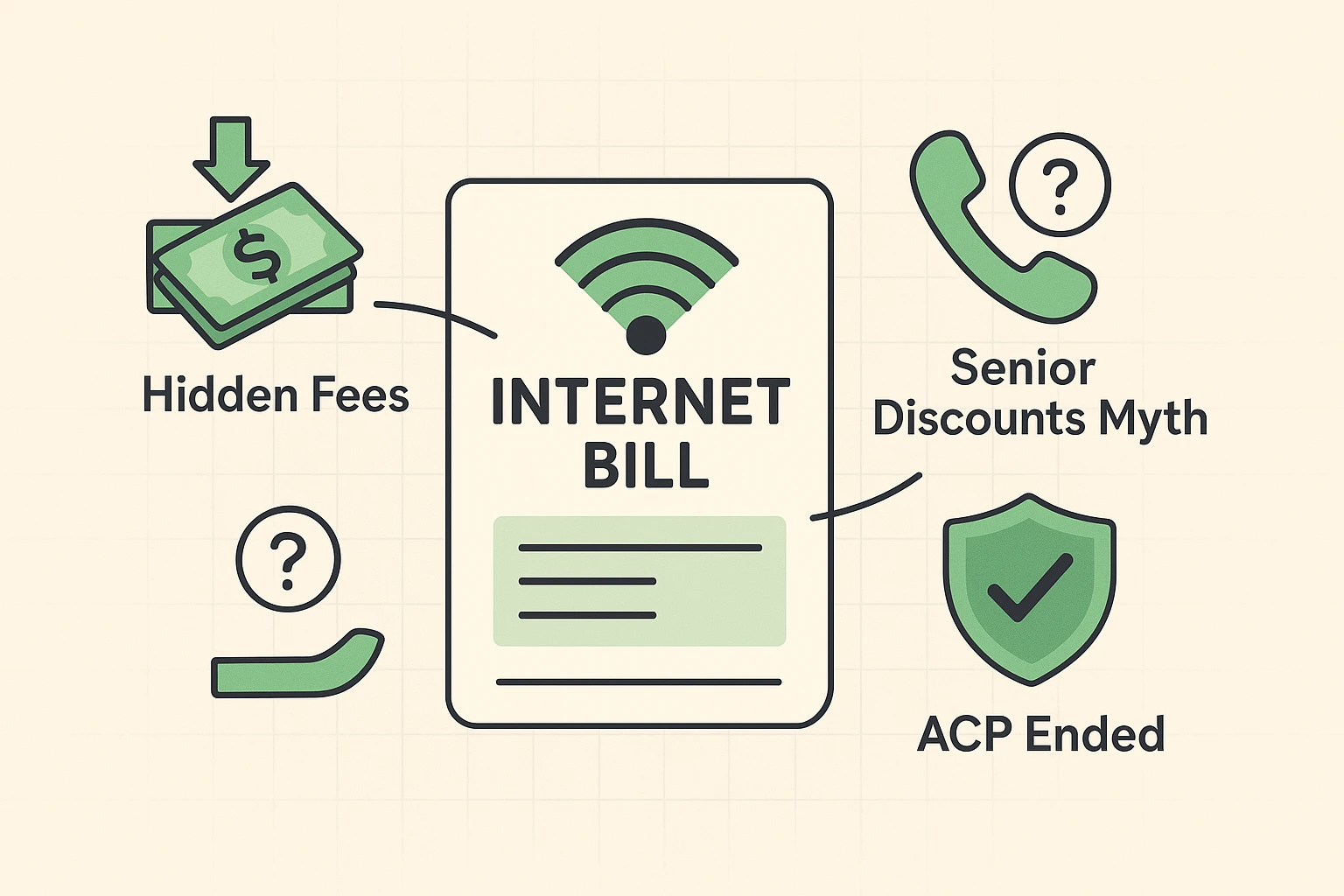
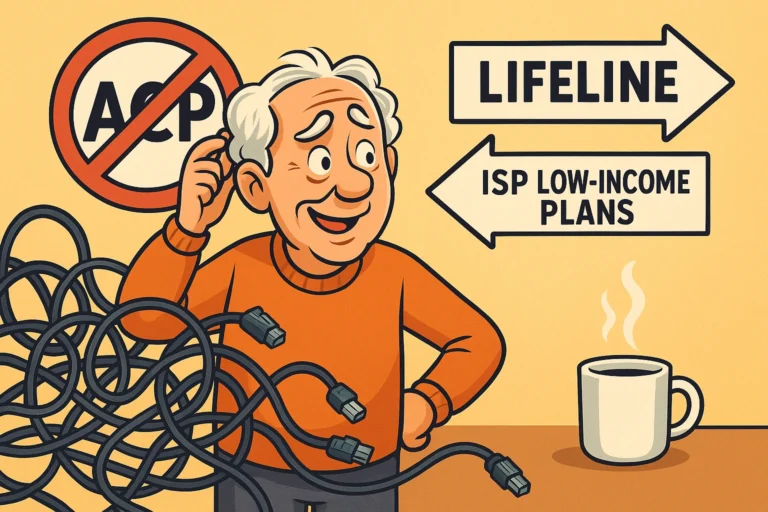
Before we pick up the phone, we need to address the elephant in the room. For a while, many seniors were getting a helpful $30 discount through the government’s Affordable Connectivity Program (ACP).
Sadly, Congress let that program run out of money in mid-2024. If your bill suddenly shot up recently, this is likely why. It hurts, and it’s frustrating.
However, just because the government discount is gone doesn’t mean “senior discounts” don’t exist. They just aren’t called senior discounts anymore. They are hidden behind secret doors labelled “Retention Offers” and “Low-Income Tiers.” You just need the right passwordA password is a string of characters used to verify the identity of a user during the authentication... More to get in.
I don’t mean literally naked—please wear clothes. I mean don’t call without ammunition. If you call and just say, “This is too expensive,” the agent will simply say, “I’m sorry to hear that,” and maybe offer to bundle a landline phone you haven’t used since 2008.
To win this game, you need leverage.
Look at your bill. Are you paying for “Gigabit Speed”? Unless you are running a NASA launch site from your basement or have twelve grandchildren streaming 4K4K, also known as Ultra High Definition (UHD), is a video resolution that offers dramatically sharpe... More movies simultaneously, you do not need Gigabit speed.
Are you paying for a “TV Bundle”? If you only watch Netflix and the local news, you might be paying $80 a month for channels that exclusively show infomercials for non-stick pans.
Internet companies are terrified of one thing: You leaving them for T-Mobile or Verizon.
Both T-Mobile and Verizon now offer “5G5G is the latest technology that powers your mobile phone’s ability to make calls, send texts, and... More Home Internet.” It’s a little box you plug into the wall—no wires, no technician drilling holes in your siding. It usually costs about $50 a month flat.
Write that down. Even if you don’t want to switch, knowing this price is your golden ticket.
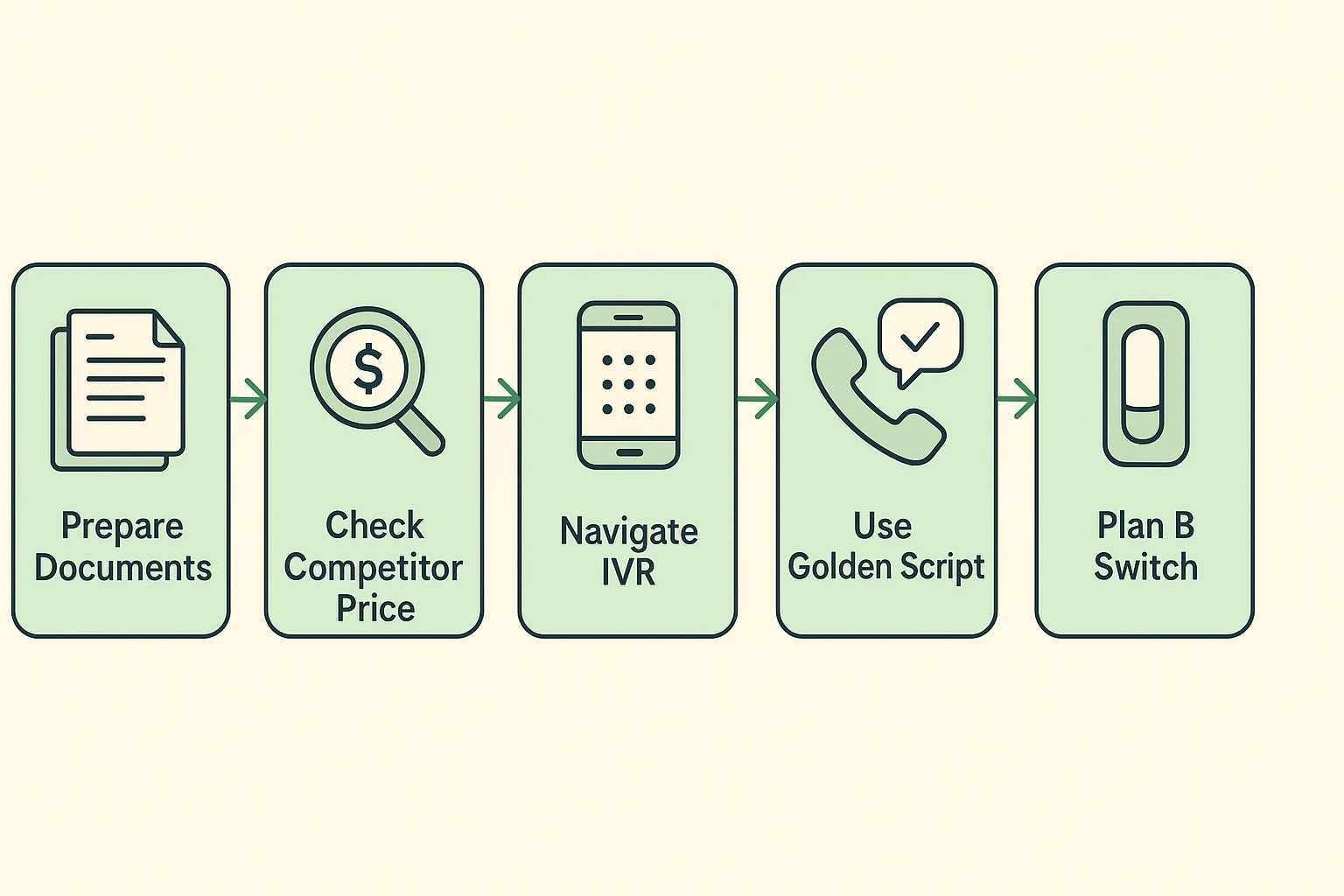
When you call Xfinity, Spectrum, or AT&T, a robot will answer. Its job is to keep you away from the humans who have the power to lower your bill.
If you say “Billing,” the robot sends you to a regular customer service agent. This person is nice, but they have zero power. They can only read from a screen.
The Secret Password: When the robot asks what you want, say clearly: “Cancel Service.”
Don’t panic! They won’t cut your line immediately. In the world of telecom, “Cancel” is the magic word that routes your call directly to the Retention Department (sometimes called “Loyalty”). These are the only people authorized to give you the “secret” prices to keep you from leaving.
You are now talking to a human in the Retention department. Be polite, be friendly (honey catches more flies than vinegar), but be firm.
You: “Hi, I’m looking at my bill and $90 a month is just too much for my budget. I saw that T-Mobile is offering home internet for $50 a month. I’d prefer to stay with you because I like the service, but I need to get my bill closer to that price.”
The Agent (The Rebuttal): “Well, I see here you have our super-fast package. I can’t lower the price, but I can throw in a free trial of HBO Max for three months.”
You (The Pivot): “That sounds nice, but I really just need a lower monthly rate. What is the rate for new customers right now? I know I’ve been a loyal customer for five years, so I’d hate to leave just to get a ‘new customer’ price elsewhere.”
The Agent (The Deal): “Let me see what I can do… okay, I can move you to a different promotional plan that is $55 a month for 12 months.”
You: “Does that include all the taxes and equipment fees? Excellent. Please email me a confirmation of that right now.
If they call your bluff and say they can’t help, you have two choices:
If negotiation doesn’t work, ask specifically about “Low-Income” or “Senior” tiers. The agents often forget to mention these unless you ask by name.
Since the government ACP ended, the big companies kept their own versions of these low-cost plans. They aren’t super fast, but they are plenty fast for checking emailEmail, or electronic mail, is a digital communication tool that allows users to send and receive mes... More, Facebook, and watching YouTube.
Important Note: These plans usually have income requirements (like being on Medicaid, SNAP, or SSI), but the criteria are often broader than you think.
No. It just routes your call. You have to verify your identity and confirm the cancellation with a human multiple times before they actually pull the plug. You are safe.
Generally, yes! It works via the cellular network (like a smartphone). If you have good cell reception in your house, the internet will work fine. It is much easier to set up than cable—you just plug the box into a power outlet near a window.
It’s harder. Most internet plans these days are “contract-free,” meaning you can leave anytime. However, if you are in a 1-year contract, you might have to pay an early termination fee. Check your bill first.
Because friction makes money. They know that if they make the process annoying enough, 80% of people will just give up and pay the higher rate. But you are now part of the 20% who knows better.
You now have the knowledge to save anywhere from $20 to $60 a month. That’s real money—that’s “fancy coffee” money, or “spoiling the grandkids” money.
Good luck, and remember: The squeaky wheel gets the discount!