Newsletter Subscribe
Enter your email address below and subscribe to our newsletter

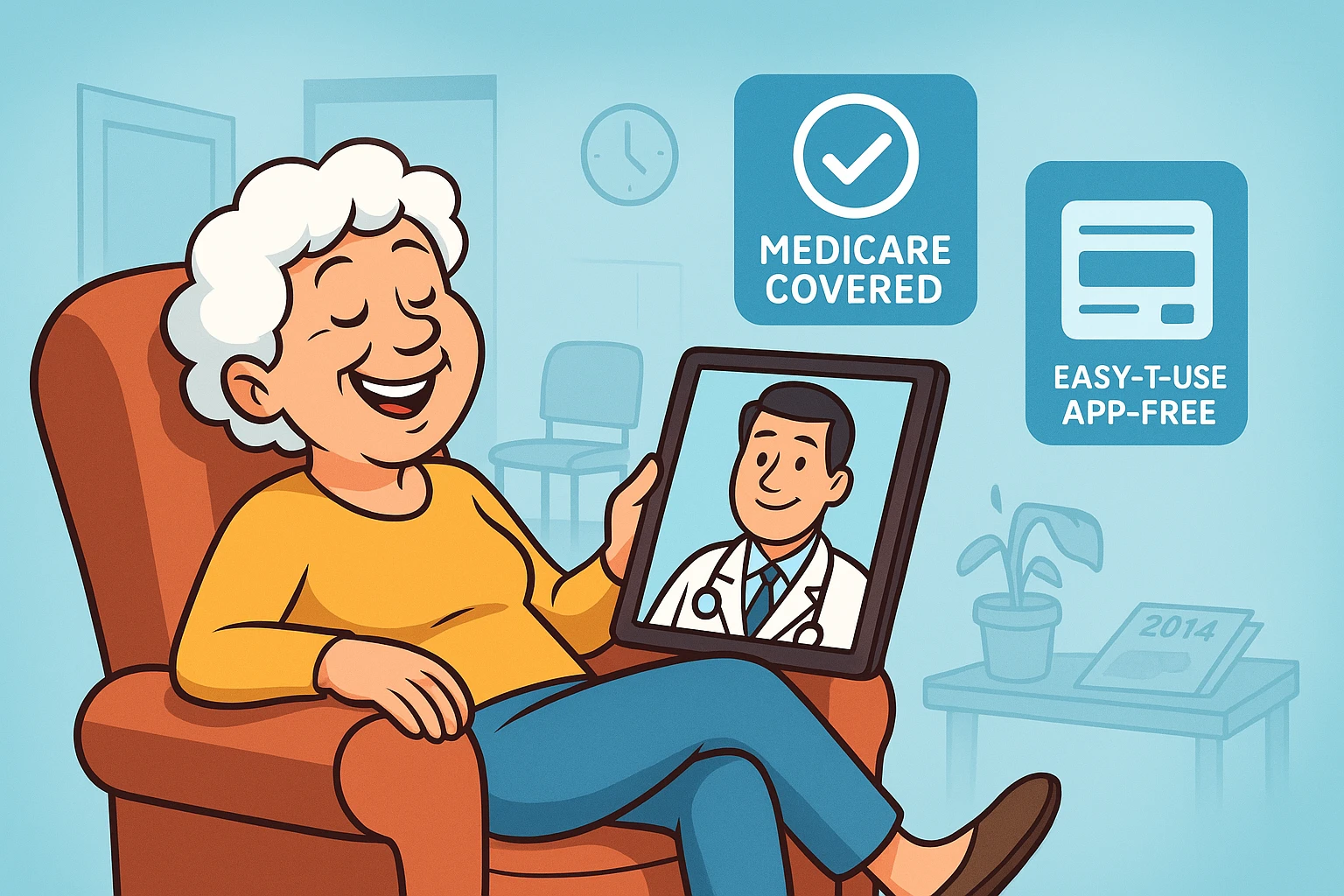
Remember the traditional doctor visit? You sit in a waiting room that smells faintly of rubbing alcohol and anxiety, reading a magazine from 2014 about how to make the perfect gelatin mold. Then you freeze in a paper gown that offers the structural integrity of a wet napkin.
Now, thanks to the magic of telehealth, you can see your doctor from the comfort of your favorite armchair, wearing whatever you want from the waist down.
But let’s be honest. Setting up telehealth and remote health monitoring can feel like trying to defuse a bomb while blindfolded. Do you need a special app? A smartwatch? A teenager to translate the instruction manual for you?
Don’t panic. You are not alone, and you definitely don’t need a PhD in computer science to figure this out. We are going to walk through this together. We’ll look at how this technology actually works, how to choose devices that won’t make you want to throw them out the nearest window, and how to keep your private data safe from snoops.
Let’s address the elephant in the room right away: Who is paying for this digital wizardry? The good news is that Medicare finally realized making sick people drive through traffic to get a routine check-up is a terrible idea.
According to the latest updates from Medicare.gov and AARP, widespread Medicare telehealth coverage has been officially extended through at least December 31, 2027. This means millions of seniors can access virtual care and remote monitoring without emptying their wallets.
Whether it’s a routine check-up, mental health counseling, or using devices to monitor chronic conditions from home, Medicare Part B generally covers these services just like an in-person visit. You’ll still have your standard deductible and coinsurance, but you get to skip the gas money, the parking fees, and the stale waiting room coffee.
Not all telehealth systems are created equal. Some require you to download six different apps, create a password with an ancient hieroglyph, and sacrifice a toaster to the internet gods just to say hello to your physician.
You want a platform that respects your time and your sanity. The best modern telehealth providers—including services like DispatchHealth, which practically brings the emergency room to your living room—are doing away with the app-downloading nonsense entirely.
Research actually shows that when clinics use AI-enhanced systems that don’t require downloading an app, patient participation among those 65 and older jumps by a massive 40 to 60 percent! It turns out that when you make technology easy to use, people actually use it. Who knew?
When evaluating a provider, ask them how you connect. The gold standard is a system that simply sends you a secure text message or email link. You click the link, and boom, there’s your doctor on the screen. Simple, painless, and zero app-store frustration required.
You’ve probably seen flashy ads for smartwatches that claim to do everything from checking your heart rate to doing your taxes. But remote patient monitoring is simply a way for your doctor to keep an eye on your vitals—like blood pressure, weight, or blood sugar—while you are sitting on your sofa watching Jeopardy!
The trick is choosing the right gadget for your specific needs. You want devices with large, readable screens, loud audio alerts, and batteries that last longer than a fruit fly.
Look for “cellular” or “Bluetooth-enabled” tools that automatically send your readings directly to your doctor’s office. This means you don’t have to keep a messy paper logbook or remember to call in your numbers every Friday. The machine does the heavy lifting for you.
To make your daily routine even more foolproof, you might want to pair these monitoring devices with a reliable medication reminder. That way, your pills are taken exactly on schedule while your new smartwatch silently keeps track of your heartbeat. It’s like having a tiny, bossy nurse living on your nightstand.
Now, let’s talk about the creepy factor. If a device is tracking your heart rate, your sleep patterns, and your location, who else is looking at that data? Hackers? Advertisers? Your nosy neighbor Brenda?
This is where we need to put on our safety hats. Any medical device or telehealth platform you use must be HIPAA-compliant. HIPAA is the federal law that forces healthcare companies to keep your medical data locked down tighter than the recipe for Coca-Cola.
Before you buy a wearable device or sign up for a remote monitoring service, check their privacy policy. If a company won’t explicitly state that they use military-grade encryption and refuse to sell your health data to third-party advertisers, run away. Fast. Well, at a brisk, safe walking pace. We don’t blindly cheerlead for Big Tech around here.
You don’t have to tackle the digital health frontier alone. Family members, friends, and caregivers can be your secret weapons in the telehealth revolution.
Many top-tier telehealth platforms now allow a family member to securely join your virtual doctor visit from their own home or office. It’s like having a digital bodyguard on the call with you.
They can help troubleshoot the volume, take notes, and remember to ask the doctor all the questions you forgot the second the camera turned on. It takes the pressure off you and keeps your loved ones in the loop about your care.
If you think video calls are wild, buckle up. The future of home health involves things like augmented reality (AR) and automated care robots.
Don’t worry, we aren’t talking about the Terminator showing up at your door to check your cholesterol. Think more along the lines of friendly, voice-activated assistants that can fetch your medication, guide you through physical therapy exercises, or automatically alert emergency services if their sensors detect you’ve taken a tumble.
You don’t need NASA-level internet, but you do need a reasonably stable Wi-Fi connection. If you can watch a YouTube video without it stopping to “buffer” every three seconds, your internet can probably handle a virtual doctor visit.
You will simply click the same link you used to enter the meeting in the first place and rejoin! Doctors are totally used to this. They probably accidentally hang up on people sometimes, too.
No. While AI is used in the background to help organize your medical records or transcribe the appointment notes, a real, live human doctor is still the one looking at your face, making the medical diagnosis, and writing the prescription. You are not being treated by a glorified calculator.
Taking the leap into telehealth and remote monitoring doesn’t have to be intimidating. Start small. The next time you need to schedule a routine follow-up or a prescription refill, ask your doctor’s office if they offer a simple, link-based telehealth option.
If you are managing a chronic condition like high blood pressure or diabetes, ask them which specific Medicare-approved remote monitoring devices they recommend. Write down the names, check them for HIPAA compliance, and make sure they look easy enough to use before breakfast.
Technology is supposed to make your life easier, not give you a stress-induced headache. By asking the right questions and demanding simple, secure tools, you can take control of your healthcare—without ever having to put on hard pants again.