Newsletter Subscribe
Enter your email address below and subscribe to our newsletter

Enter your email address below and subscribe to our newsletter
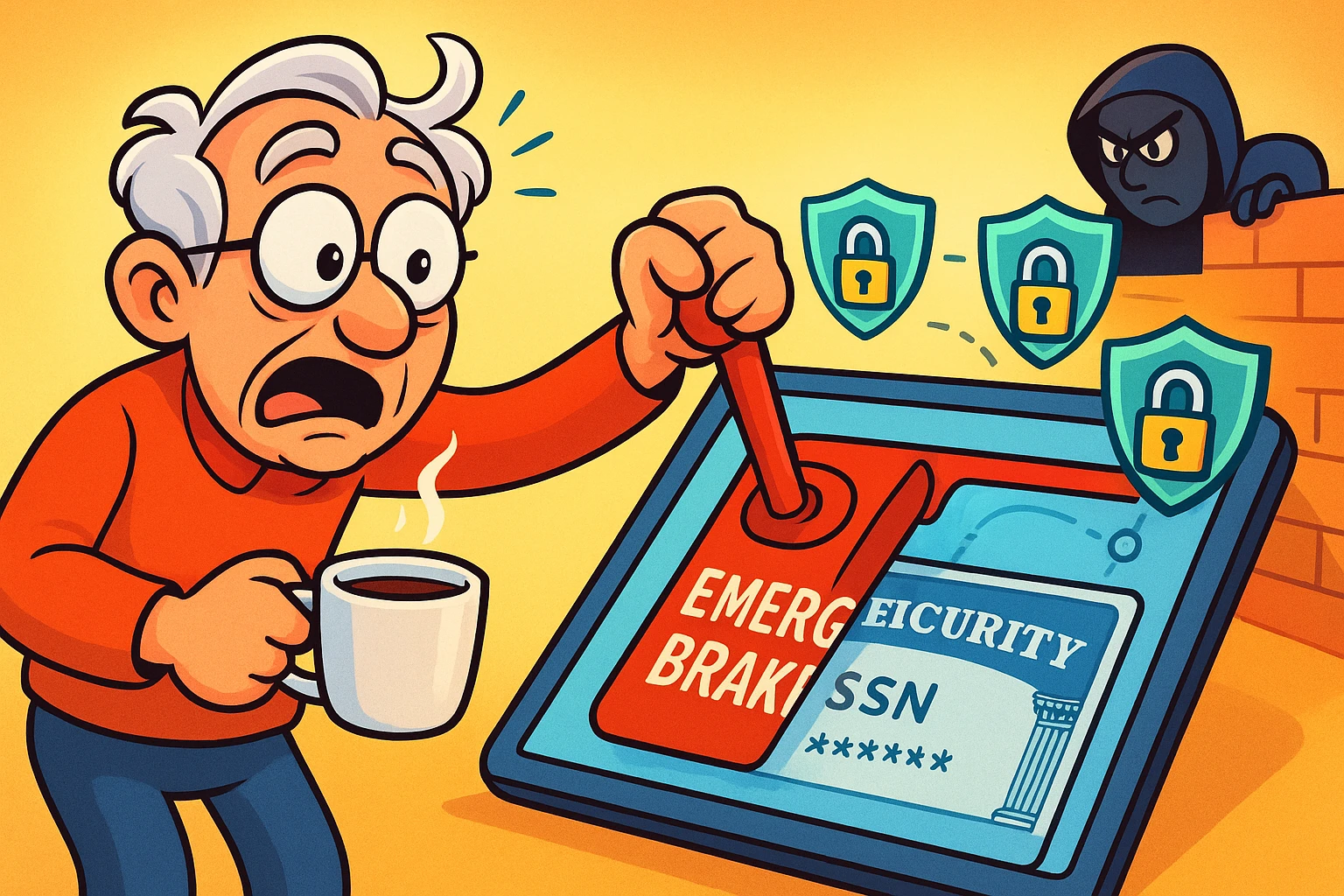
Imagine you’re opening your mail, expecting the usual assortment of grocery store flyers and requests for donations from organizations you’ve never heard of. Instead, you find a highly official-looking letter from a giant corporation you recently did business with. It essentially says, “Dear Valued Customer, we deeply regret to inform you that a hacker named ‘DarkLord99’ currently has your Social Security Number. Have a nice day!”
Your heart stops. Suddenly, you’re convinced that somewhere in a dimly lit basement across the globe, a teenager is using your identity to buy a fleet of luxury yachts and a lifetime supply of energy drinks. You feel like you just accidentally left your front door wide open, complete with a giant neon sign pointing to your safe.
If this sounds terrifyingly familiar, don’t panic. Getting your SSN compromised is awful, right up there with a surprise root canal or realizing you left your reading glasses at a restaurant across town. But you are not powerless. Sometimes, our data ends up in the wrong hands, just like how spam callers somehow know exactly when you’re sitting down to dinner.
We are going to walk through the exact steps you need to take. We’ll start with the “first-aid” emergency brakes, then we’ll show you how to change the digital locks on your life, and finally, we’ll give you the cheat codes to keep scammers at bay for good.
Before you do anything else, pour yourself a cup of coffee or tea, sit down, and take a deep breath. We need to clear up some major misconceptions right now.
First, your monthly Social Security benefits are not automatically going to vanish. Second, the police are not going to show up at your door with handcuffs because someone else opened a credit card in your name. Finally, your Medicare is still completely valid.
Many government websites read like they were written by lawyers trying to put other lawyers to sleep. They focus heavily on institutional reporting and forget the human element. The reality is this: an exposed SSN is a fixable problem. You don’t need a PhD in computer science to fix it, either. You just need a phone and a little bit of patience.
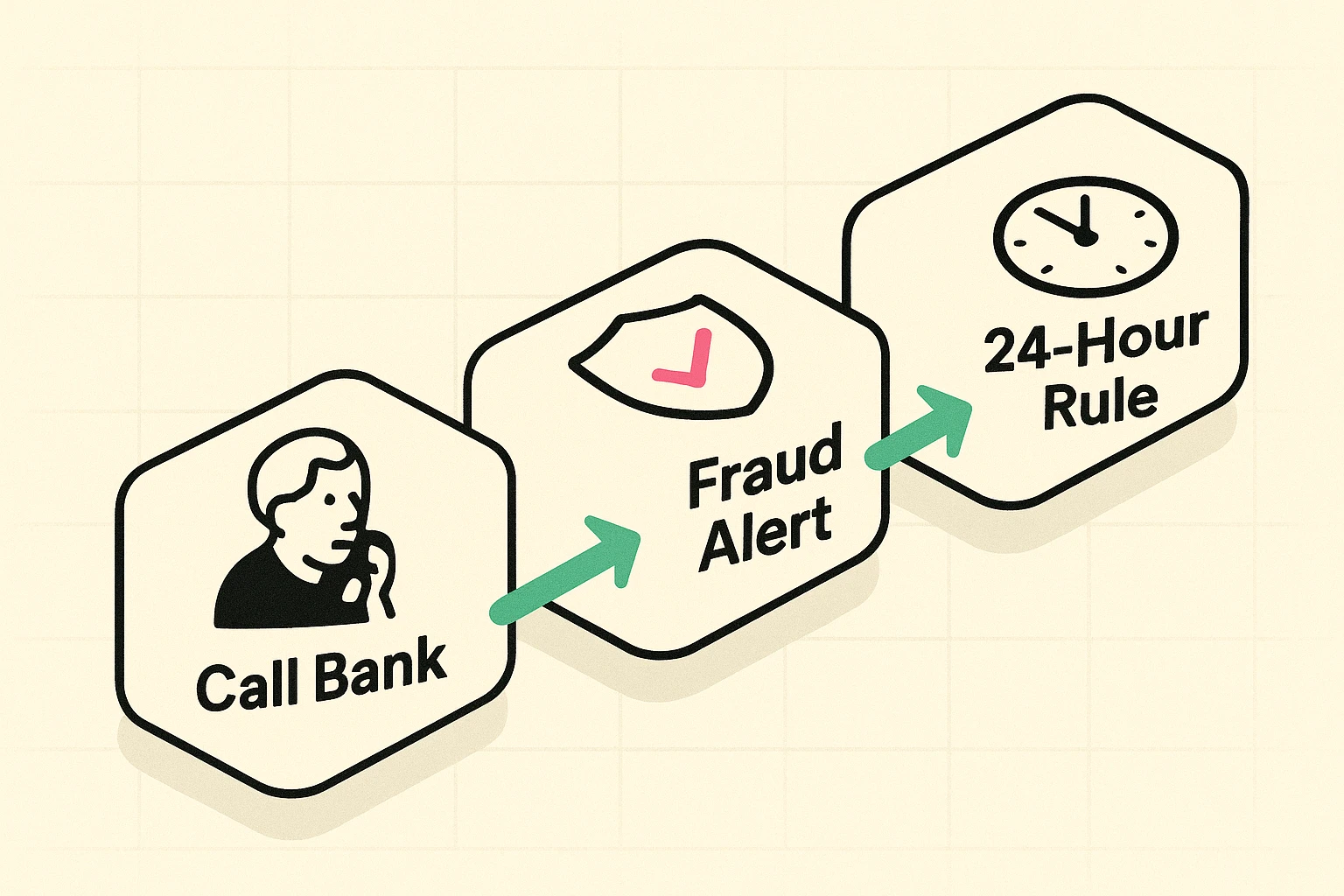
When a breach happens, you want to act swiftly. Think of this as the “first 24-hour rule.” These are the things you should do right away, while other steps can absolutely wait until Monday morning.
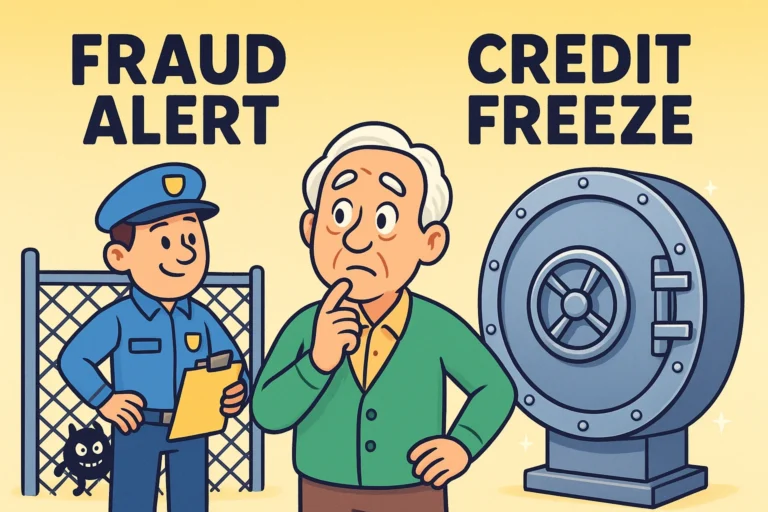
1. Place an Initial Fraud Alert: You don’t need to call all three major credit bureaus (Equifax, Experian, and TransUnion). You only need to call one. That bureau is legally required to tell the other two. A fraud alert is like putting a giant neon warning sign on your credit file that says, “Verify my identity before issuing new credit!”
2. Notify Your Bank: Call your bank and let them know your information was part of a data breach. Do not use a phone number you found in an email warning you about the breach—those emails can be fake. Turn over your debit or credit card and call the official customer service number printed on the back.
Here is a helpful way to think about your Social Security Number: it’s a key. Unfortunately, the government makes it nearly impossible to get a new “key” (a new SSN), even after a breach. But you can change the locks so the stolen key doesn’t work.
1. The Credit Freeze: A credit freeze is stronger than a fraud alert. It locks your credit file completely. If a scammer tries to open a loan in your name, the lender won’t be able to pull your credit report, so they will deny the application. It is completely free to freeze and unfreeze your credit. You will need to contact all three bureaus individually to do this, either online or by phone.
2. The “Block Electronic Access” Secret: This is the best-kept secret in senior tech security. The Social Security Administration has a feature called “Block Electronic Access.” When you turn this on, it prevents anyone—even you—from viewing or changing your personal information online or through their automated phone service.
If you want to change your direct deposit info or your address after activating this block, you must physically walk into a local SSA office and prove who you are. Yes, it’s slightly inconvenient for you, but it’s a brick wall for hackers living halfway across the world.
One of the most common things scammers do with a stolen SSN is file a fake tax return in your name early in the year to steal your refund. By the time you file your real taxes in April, the IRS says, “Wait, you already filed!”
To stop this, you can request an Identity Protection PIN (IP PIN) from the IRS. Think of it as a secret six-digit handshake. Once you set this up, the IRS will not accept any electronic or paper tax return filed under your SSN unless it includes that specific six-digit PIN. The IRS gives you a new PIN every single year.
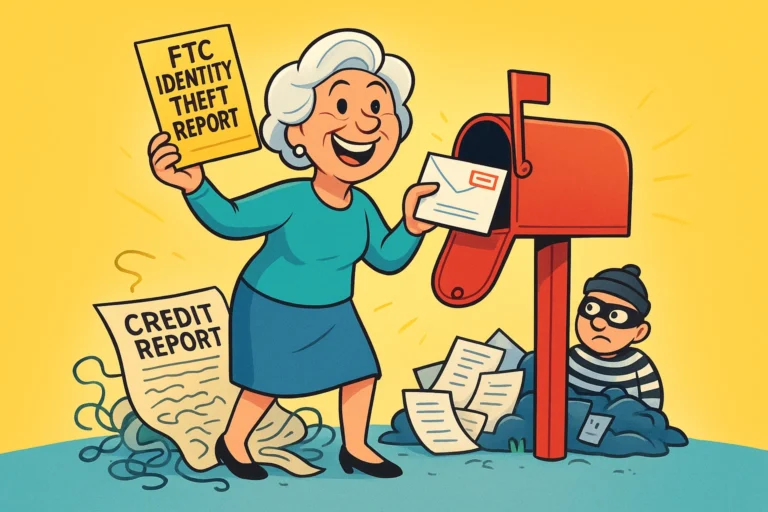
If you actually experience tax-related identity theft, you will also need to fill out IRS Form 14039 (the Identity Theft Affidavit). But setting up an IP PIN before a problem happens is the smartest move you can make.
Once the dust settles, you enter the maintenance phase. You should check your credit reports periodically. By law, you can get a free credit report weekly from all three bureaus at AnnualCreditReport.com. You are looking for accounts you don’t recognize.
You also need to be on high alert for follow-up scams. Scammers know your data was breached, so they might call you pretending to be from your bank, the FTC, or the SSA, offering to “help you secure your account.” They might even give you a fake badge number and tell you to check their website to prove they are legitimate. Don’t fall for it! Legitimate government agencies will not call you out of the blue and ask for your SSN or demand payment in gift cards.
Technology guides often say “contact the credit bureaus,” but they rarely tell you what to say when a confusing automated system answers the phone. If you prefer offline interaction, grab a pen, a piece of paper (a “Recovery Log”), and use these scripts. Be sure to write down the date, time, and the name of the person you spoke with.
When calling a Credit Bureau (Equifax: 800-685-1111, Experian: 888-397-3742, TransUnion: 888-909-8872): “My Social Security number was exposed in a data breach. I need to place an Initial Fraud Alert on my credit file today.”
When calling your Bank: “I am a victim of a data breach where my SSN was compromised. I want to add extra security questions to my account and ensure no new credit cards or loans are opened without my verbal permission.”
When calling the SSA (1-800-772-1213): “My personal information was compromised. I want to place a ‘Block Electronic Access’ on my Social Security record immediately.”
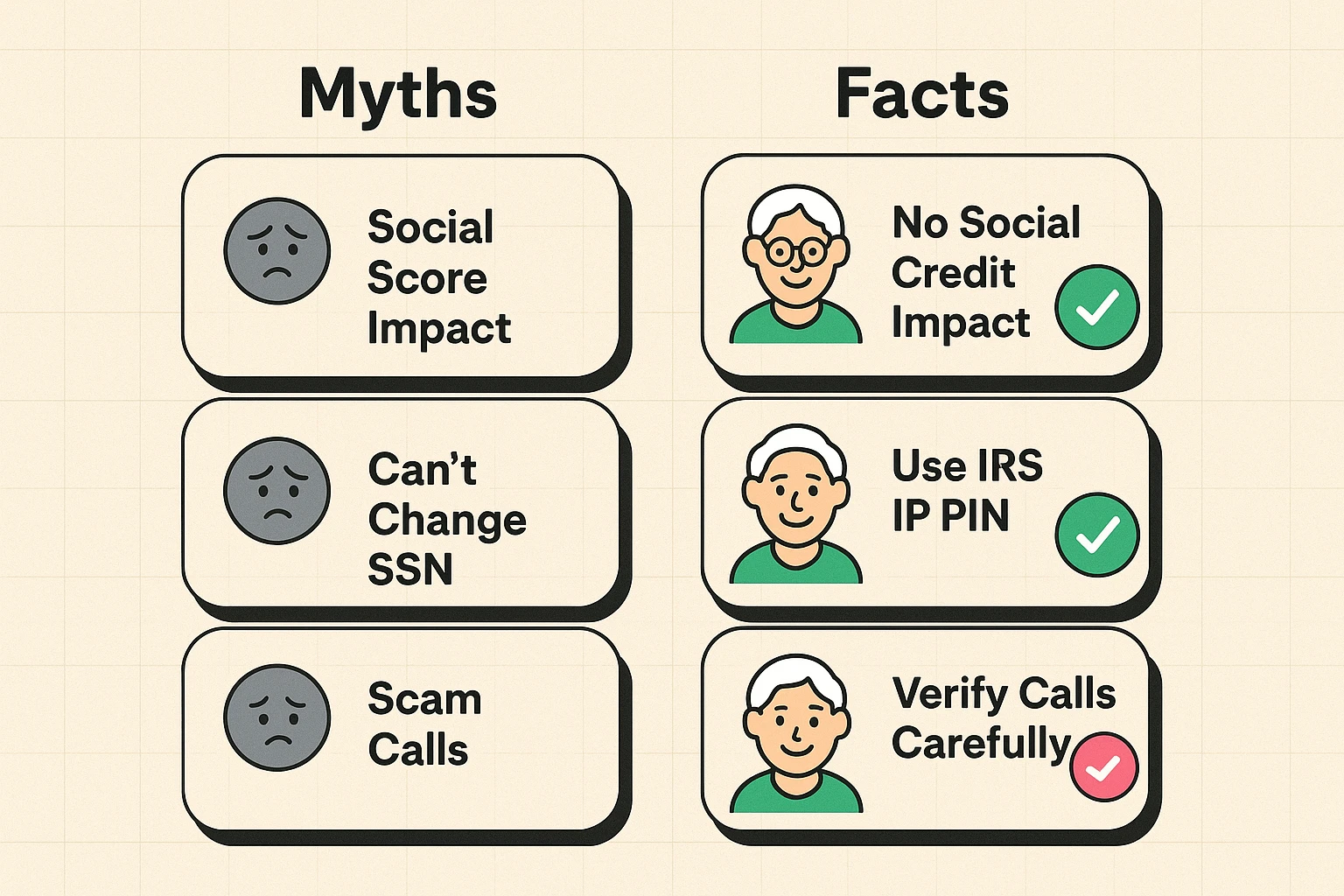
The short answer is no. The Social Security Administration only issues new numbers in extremely rare cases of ongoing, unresolvable, and severe financial harm. Even if you get a new one, the old one is still linked to your records. Changing the “locks” (freezes and blocks) is much more effective.
Absolutely not. A credit freeze has zero impact on your credit score. It simply hides your report from new lenders. Your existing credit cards will still work normally, and your score will continue to update based on your payment history.
No! A “social credit score” is a massive myth often used by scammers to scare seniors into handing over money. In the U.S., you only have a financial credit score. There is no secret government social score determining your worth. If someone calls warning you about your social score, hang up immediately.
Scammers buy lists of breached data. They might call you and say, “We have your file, ending in 1234. Verify the rest for us.” Never confirm it. Hang up, look up the official phone number of whatever organization they claimed to be, and call that official number yourself.
Navigating a data breach isn’t fun, but following these steps turns you from a vulnerable target into a digital fortress. Keep this guide handy, share it with your friends, and remember: you’re in the driver’s seat. The hackers might have grabbed the key, but you just changed all the locks.