Newsletter Subscribe
Enter your email address below and subscribe to our newsletter

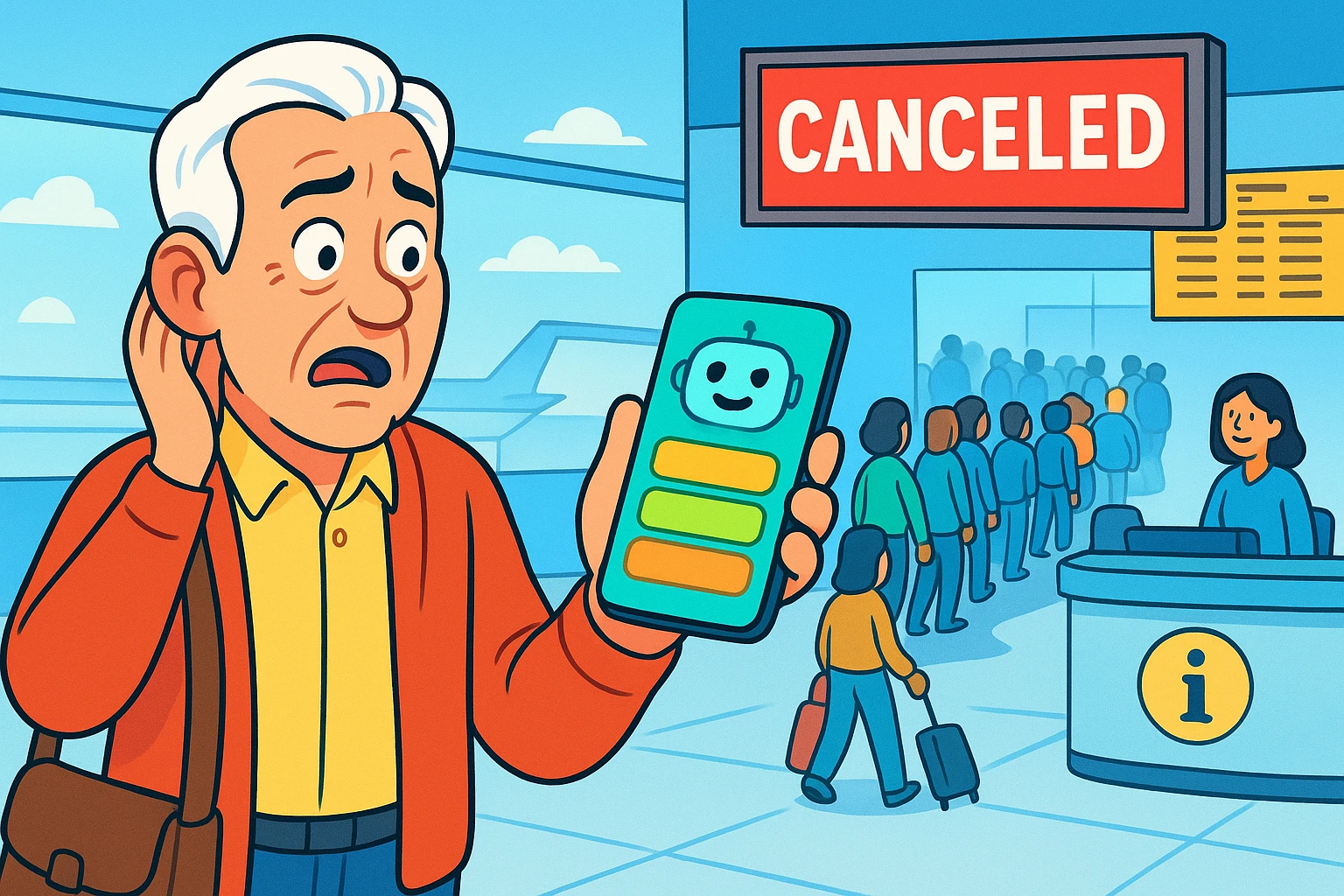
You’ve planned this trip for months. You’ve packed everything from comfortable shoes to that one sweater your Aunt Mildred knitted that could probably stop a charging rhino. You arrive at the airport, triumphant, only to find your flight has been canceled. Not delayed. Canceled. Vanished into the Bermuda Triangle of airline logistics.
The customer service line looks longer than the checkout queue on the day before Thanksgiving, and everyone in it looks profoundly unhappy. Your perfectly planned itinerary is crumbling like a dry cookie. In moments like these, you have two options: start knitting a much angrier sweater right there on your luggage, or pull out a secret weapon you might not even know you have.
That travel secret weapon is Artificial Intelligence, or AI. Now, before you imagine a robot in a trench coat and fedora solving your travel mysteries, let’s talk about what these new tools really are and how they can turn a travel catastrophe into a manageable hiccup.
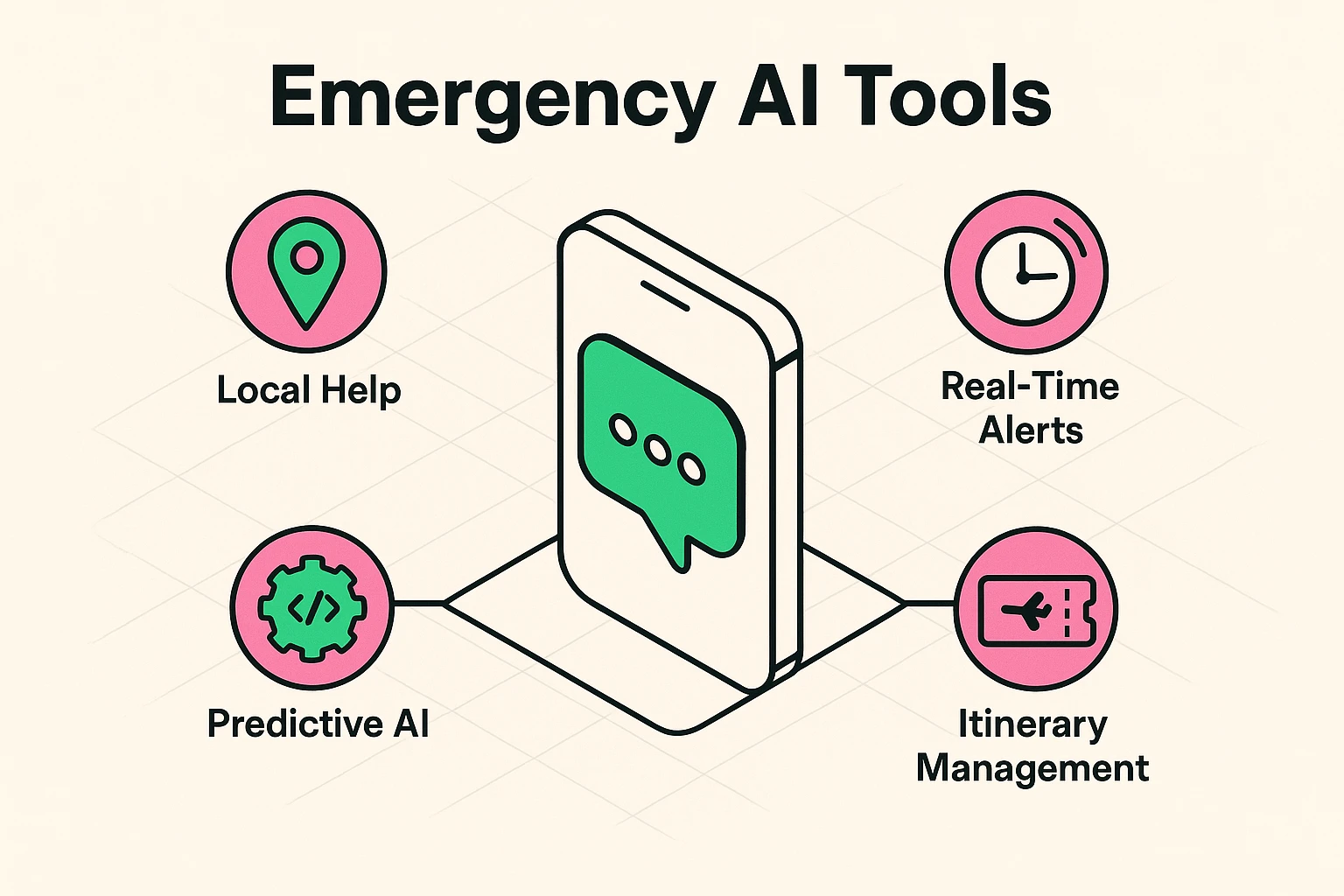
Think of an AI travel tool as a super-powered travel agent who lives in your phone, has had way too much coffee, and never, ever sleeps. It’s not a single thing, but a collection of smart features designed to handle the unexpected.
While about one in three travelers are already using AI to plan their trips, many don’t realize its true power kicks in when things go wrong. These tools can:
Instead of you frantically searching a dozen websites, the AI does the heavy lifting, sorting through mountains of data in seconds to find a solution.
Okay, your flight is officially a ghost. The customer service line hasn’t moved. Here’s how you can put your digital assistant to work, step-by-step.
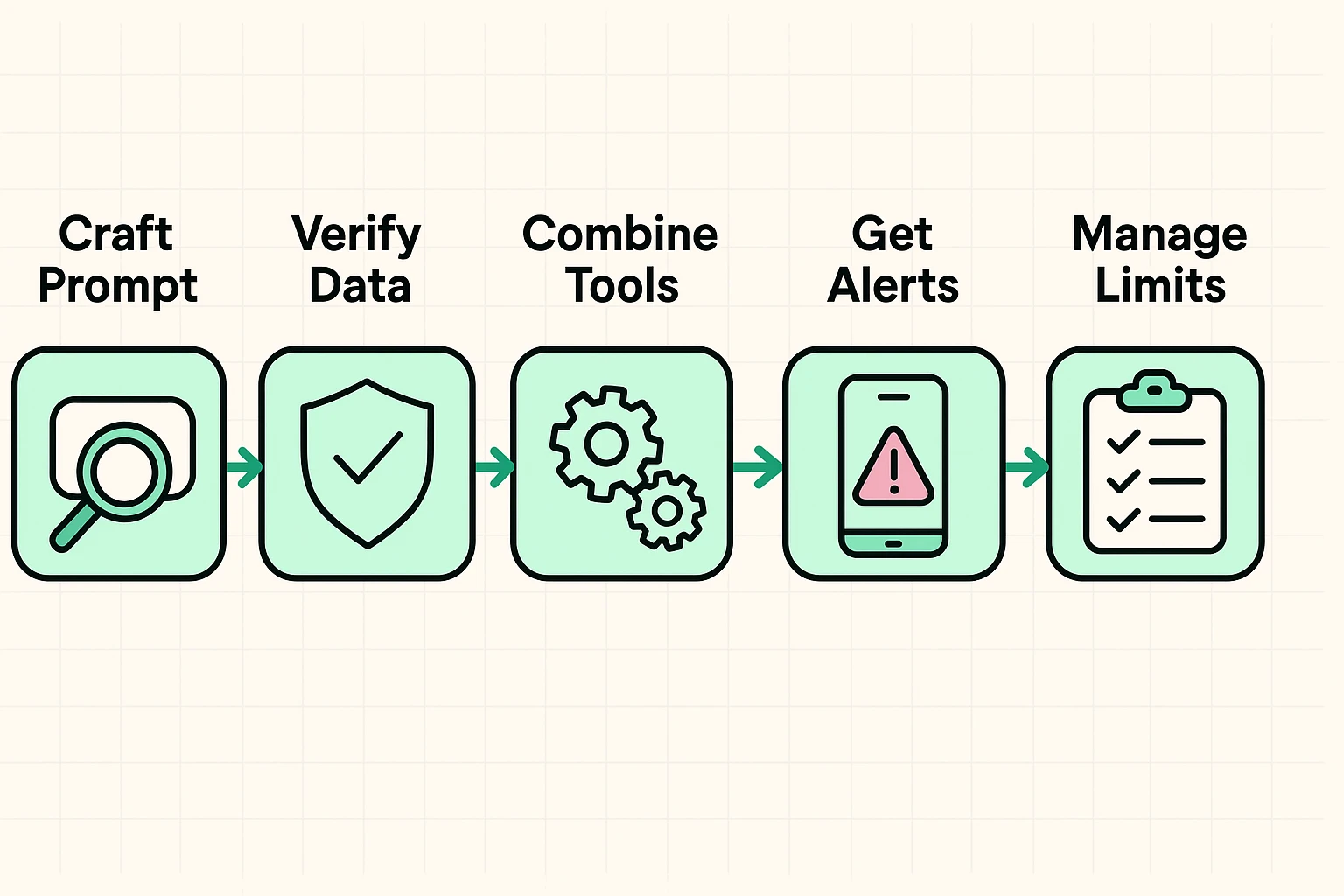
Like any new technology, these tools come with their own set of quirks. It’s no wonder that surveys show only about 30% of travelers are willing to trust AI in a crisis. A healthy dose of skepticism is a good thing!
The Good:
The Bad:
The Utterly Confused (aka “Hallucinations”):This is the part where the AI confidently tells you something that isn’t true. It’s not lying on purpose; it’s just piecing together information incorrectly. That’s why you are the final decision-maker. Always trust, but verify. This is part of the bigger picture of keeping your information secure, much like using two-factor authentication (2FA) in your daily life is a must.
You don’t need to be an engineer to understand the basics. These AI tools are connected to a gigantic, constantly updated web of information—live flight schedules, hotel booking systems, weather forecasts, and even local news reports.
When you ask it a question, it zips through all that data to find patterns and solutions. The most advanced systems, often part of premium travel safety services, can even integrate with real-world crisis teams. They might use your phone’s GPS to see you’re near an emergency and proactively send help or information. It’s a powerful network designed to connect digital information with real-world safety.
Absolutely not! If you can send a text message or use a search engine, you can use these tools. Most are designed to be as simple as having a conversation.
You should be just as cautious as you are anywhere else online. Stick to reputable, well-known travel companies and apps. Protecting your information is a key part of staying safe online, whether you’re at home or abroad.
Not yet. Think of AI as your first line of defense. It’s an incredibly helpful assistant that can quickly find options and information, but a human agent can provide empathy, creative problem-solving, and accountability in ways a machine just can’t.
Emergency AI travel tools are a fantastic addition to your travel kit. They can save you time, stress, and money when things go wrong.
But remember, the most important travel tool you have is your own common sense. Use AI as your brilliant, tireless assistant, but always remain the calm, clear-headed boss who makes the final call.