Newsletter Subscribe
Enter your email address below and subscribe to our newsletter

By Chris Clark, founder of Senior Tech Cafe
Charity scams are fake or misleading appeals that send your donation to a fraudster instead of a real cause, and they show up in force after disasters and during the holiday giving season, when scammers know wallets are open. The habit that beats nearly all of them is simple: don’t give to whoever contacts you. Look the charity up yourself, then give through its own website or by check.
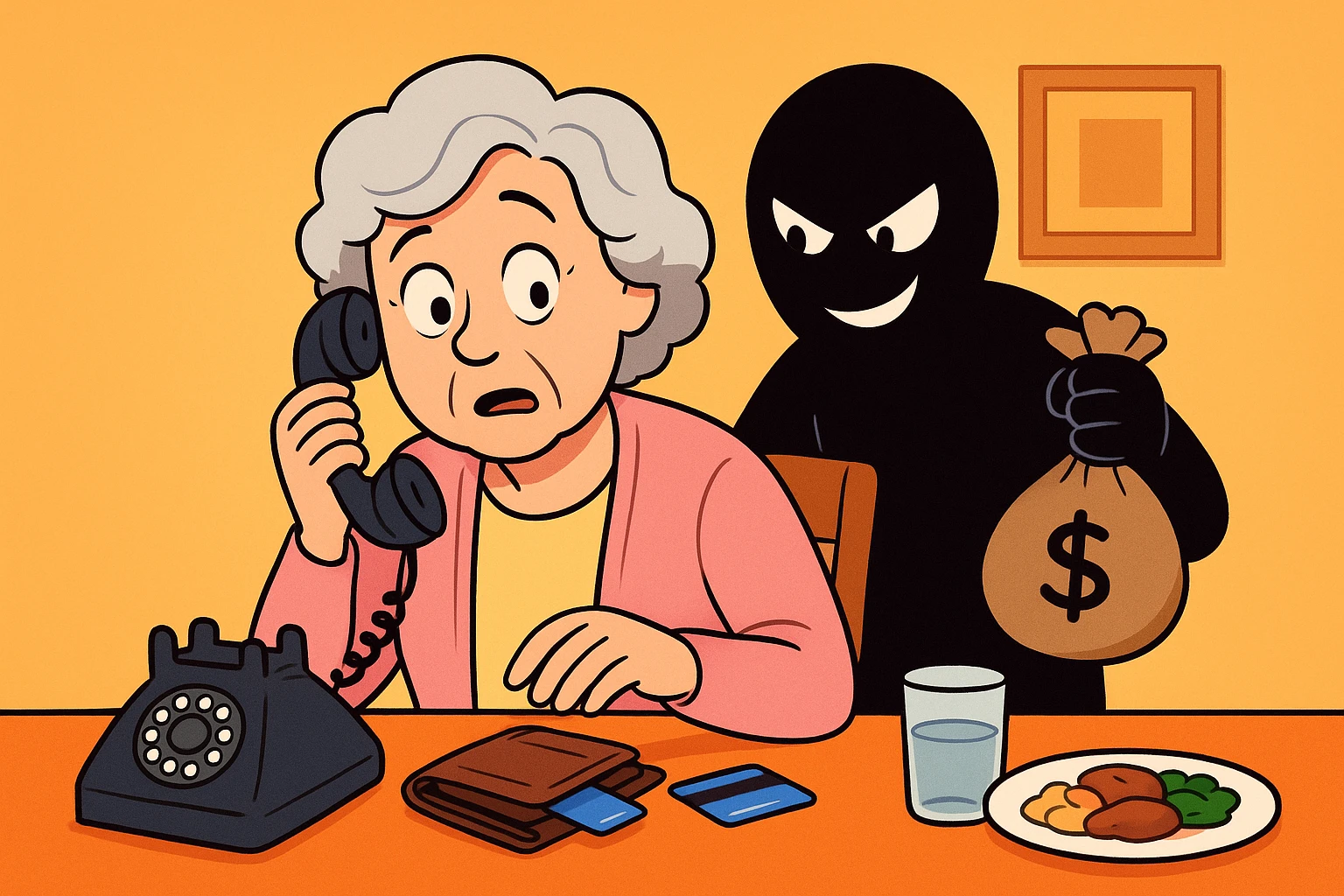
Here’s how it usually goes. You’re finally sitting down to a hot dinner. Naturally, the phone rings immediately, because the universe has a strict policy against uninterrupted meals. You answer, expecting a robotic voice warning you that your car’s extended warranty is about to expire.
Instead, it’s a polite, passionate young man calling on behalf of the “Orphaned Puppies of the Recent Devastating Hurricane Foundation.” He tells a heartbreaking story. You instinctively reach for your wallet, because you are a good person and you like puppies.
Stop right there. Put down the credit card and back away from the phone.
That “polite young man” may be a scammer, or a paid telemarketer for a group that keeps most of what it raises. With GivingTuesday on December 1 this year and year-end appeals running right up to December 31, now’s a good time to learn the difference.
Fake charity scams run on emotion, not information. Criminals love a good tragedy. Whenever there’s a natural disaster, a major holiday, or a crisis in the news, fake charities pop up like weeds in a spring lawn. In August 2026, after floods and earthquakes overseas, the Federal Trade Commission put out yet another warning about fake disaster charities using official-sounding names.
The goal is a “high-arousal” emotional state. They want you feeling so sad, angry, or urgent that you skip the part where you check. Many use names that sound almost exactly like a big, well-known charity, so a quick listen on the phone fills in the rest.
These days, scammers change their tactics even faster than the headache of changing internet providers. Some now use AI to clone a voice from a short clip posted online, then call pretending to be a relative stranded somewhere and needing money sent fast. Our guide to AI voice scams covers how to test a call like that.
Scammers want you panicked. A legitimate charity, on the other hand, will gladly let you take your time, finish your pot roast, and mail them a check next week.
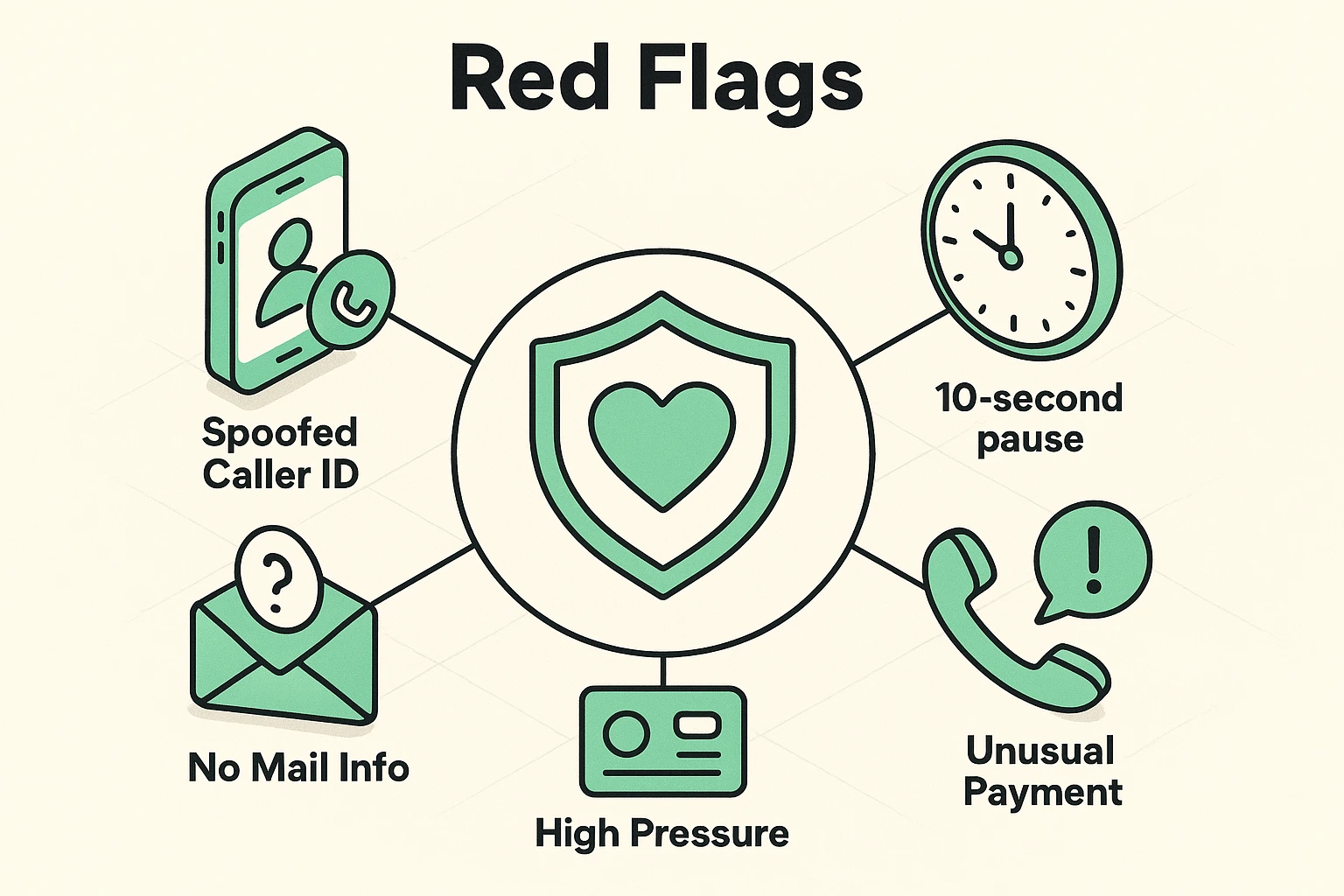
Before you hand over your hard-earned cash, run the call, text or post through this quick checklist. If any of these flags wave, hang up or close the page.
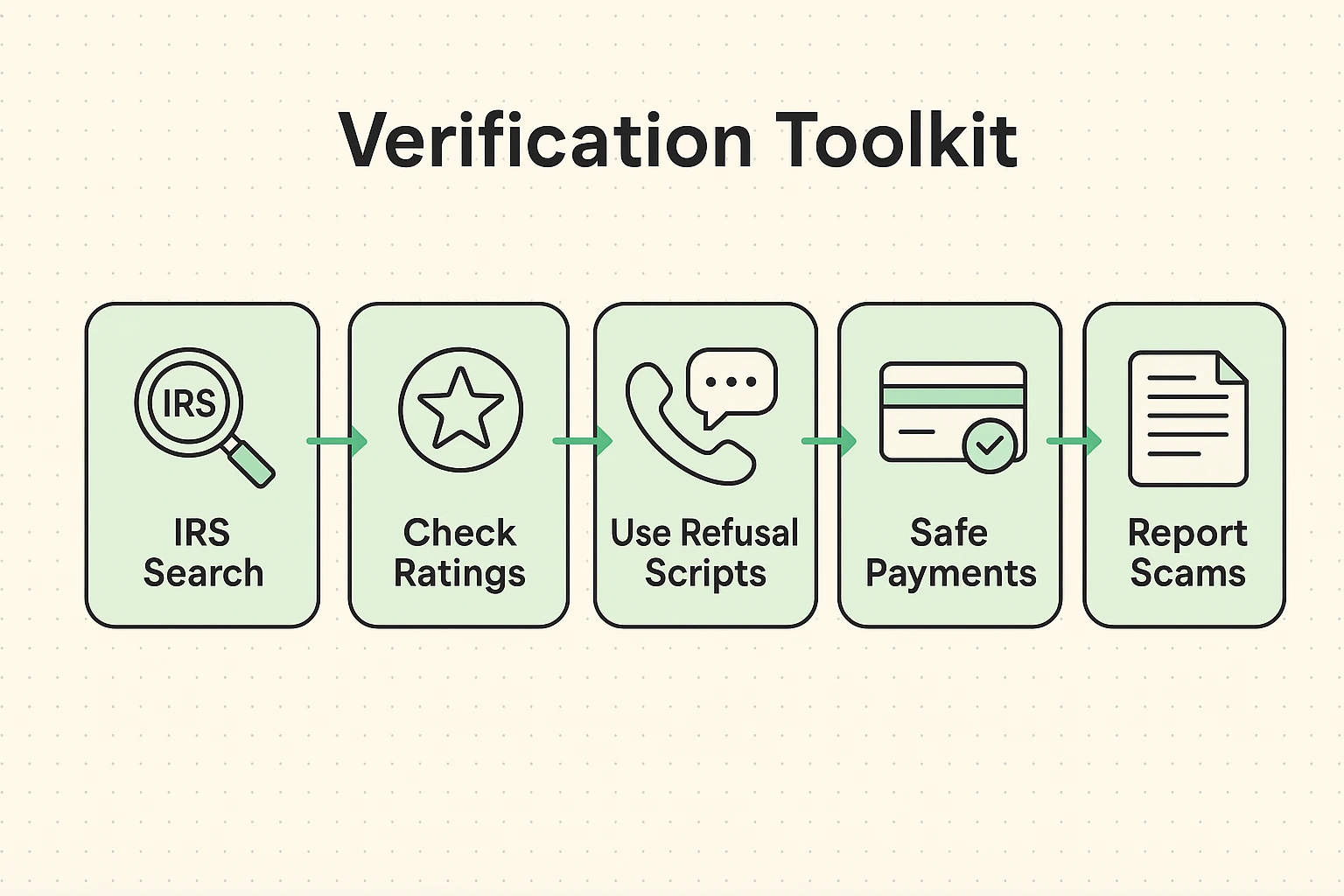
To tell if a charity is legitimate, look it up yourself in three places before you give: a charity watchdog, the IRS’s list of tax-exempt groups, and your state’s charity regulator. It takes about five minutes. You don’t need a magnifying glass or a deerstalker hat, just an internet browser.
Here’s where to look, in order:
When you’re satisfied, give on the charity’s own website, typed in yourself, or mail a check. Don’t use the link or the phone number from the message that asked you.
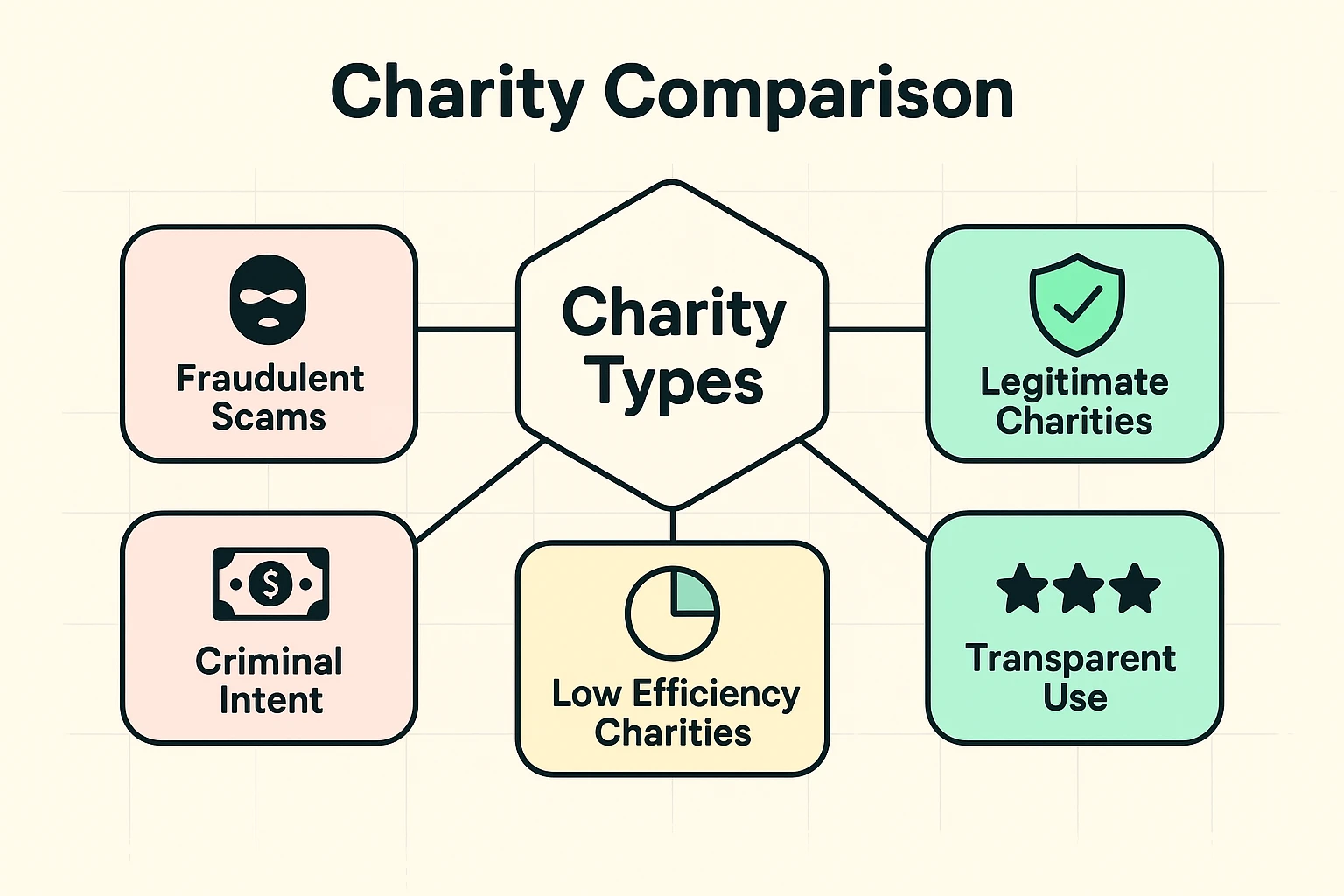
Charity fraud takes your money outright: the charity doesn’t exist, or it never does what it claims. A wasteful charity is legal, but spends most of what it raises on fundraisers and overhead, leaving pennies for the cause. You want to avoid both, and they need slightly different radars.
Phone appeals for police, firefighters and veterans are a classic gray zone. In 2020 the FTC and four states sued a telemarketing operation that raised money for what they called sham charities; according to the complaint, up to 90 percent of the money went to the fundraisers. Some calls that sound like a charity are actually from a political action committee (PAC). PAC donations aren’t tax-deductible, and the money isn’t spent the way a charity’s would be. Ask the caller straight out: “Are you a charity or a PAC, and what share of my gift goes to the cause?”
On the flip side, some charities go out of their way to show you where the money goes. charity: water, for one, says 100 percent of public donations fund water projects, because a separate group of private donors pays its staff, rent and other overhead. Scammers and bad charities don’t offer that kind of openness.
Starting with the 2026 tax year, you can deduct up to $1,000 in cash donations, or $2,000 if you’re married filing jointly, even if you take the standard deduction. Before this, most people who didn’t itemize got no tax break for giving at all.
A few rules decide whether a gift counts:
Scammers will happily use this. Expect to hear “and it’s tax-deductible!” from groups that aren’t. The IRS search tool above settles it in a minute.
But when you’re on the phone with a high-pressure caller, you need to employ the 10-Second Pause Rule.
If you think you’ve fallen for one of the many donation scams going around, act fast, because the first day or two matters most. These scams are run by professionals, and they catch careful people every day.
Take these steps in order:
Reports help investigators connect cases and shut these operations down, so they’re worth filing even if your money doesn’t come back.
Not usually. Scammers set up fake fundraisers and copy real charities’ names and logos on social media, and a friend may share one without knowing. Skip the link. Look the charity up yourself, check it with a watchdog like Give.org or CharityWatch, then give on the charity’s own website or by check.
That proves nothing. Lists of past donors, along with names, addresses and phone numbers, are bought and sold, and some come from data breaches. A caller who knows details about you can still be a scammer or a paid fundraiser who keeps most of the money. Hang up and give directly if you want to give.
Crowdfunding works well for helping someone you actually know. For strangers, it’s harder to check, because anyone can start a page and tell a moving story. If you don’t personally know the organizer or the family, give to an established relief charity you’ve checked instead. It’s less personal, and much less risky.
Yes. The National Do Not Call Registry doesn’t cover calls asking for charitable donations, so those calls are legal even if you signed up. You can ask any charity caller to put you on its own do-not-call list, and it has to honor that. The caller is usually a paid fundraiser, not the charity.
The safest donation is the one you planned. Pick two or three charities you’ve checked, give on their own websites or by check, and politely decline everything that arrives by phone, text or social media post. That’s not stinginess. That’s making sure the puppies actually get the money.
Charity scams are one corner of a bigger picture. For the rest of the checklist, start with our online safety guide for seniors, and if the ask arrives as an email or text, here’s how to spot phishing scams.