
Newsletter Subscribe
Enter your email address below and subscribe to our newsletter

Learn how to plan costs for smart devices like thermostats and cameras to save money smartly.
Have you ever watched a movie where someone strolls into their house and says, “Computer, dim the lights and play some relaxing jazz,” and the house just… does it? For years, that felt as futuristic as flying cars and meal-in-a-pill dinners. Now, suddenly, our homes are getting IQs of their own, with talking speakers, thermostats that think, and doorbells that can see.
It’s exciting, but let’s be honest, it’s also a little bewildering. Especially when it comes to the price tag. The moment you start looking into this stuff, you’re hit with a blizzard of brands, features, and costs that can make your head spin faster than that little circle on a slow computer.
Is a “smart home” a brilliant investment that will save you money and make life easier? Or is it a money pit designed to drain your bank account with hidden fees and gadgets you don’t actually need? The truth, like most things in life, is somewhere in the middle. Let’s put on our detective hats, grab a calculator, and figure out how to make your home smarter without making your wallet dumber.
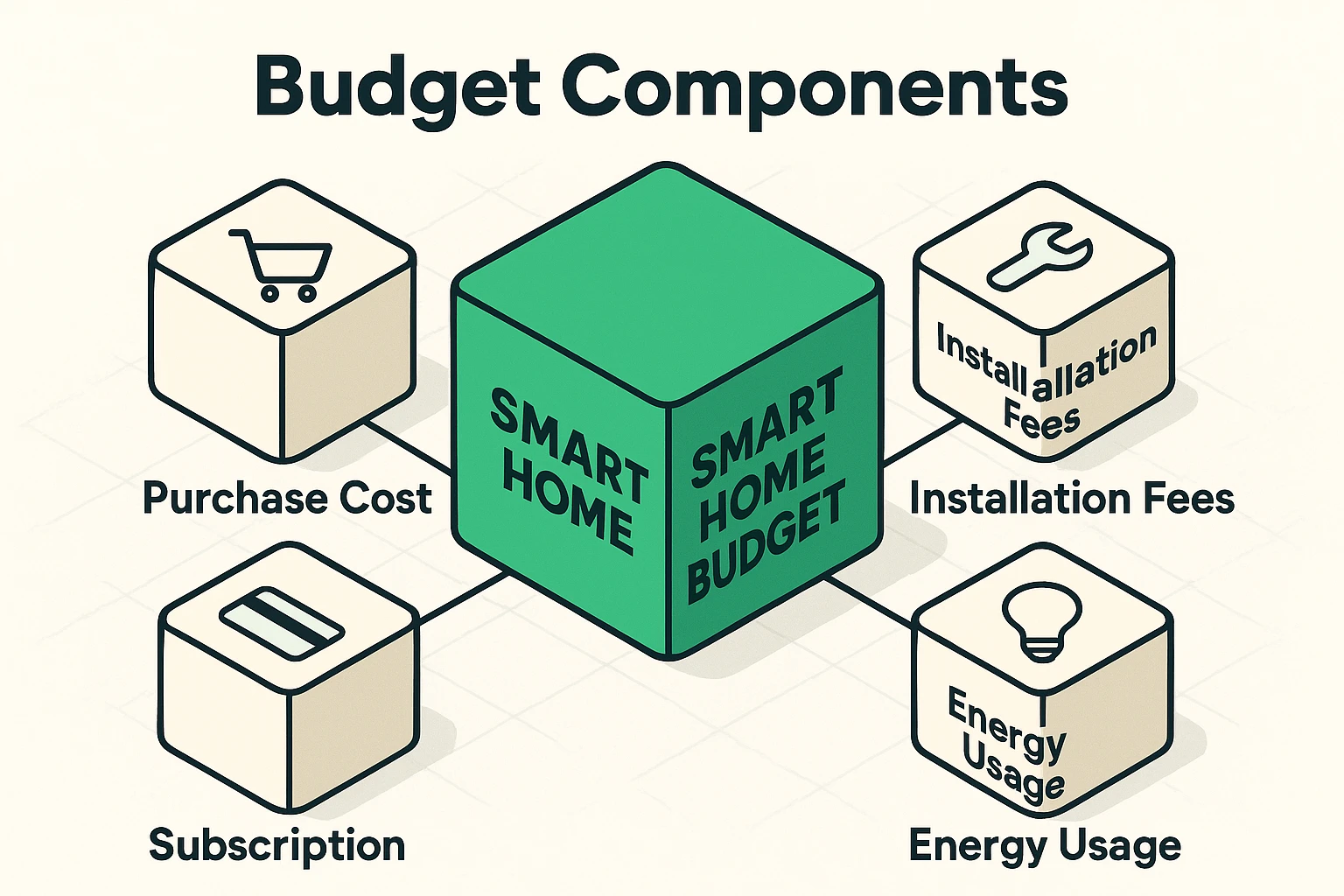
Before you even think about adding a smart thermostat to your online shopping cart, it’s crucial to understand that the price you see on the box is rarely the final price. Think of it like buying a new car; the sticker price is just the opening act.
This is the cost of the device itself. A smart speaker like an Amazon Echo Dot might be relatively inexpensive, while a sophisticated smart security system can run into hundreds of dollars. It’s the easiest number to find, but it’s only one piece of the puzzle.
Some gadgets are as simple as plugging them in. Others, like a smart thermostat or a video doorbell, might require a dance with your home’s wiring that you’d rather not lead. You can absolutely install many of these yourself if you’re handy, but if the thought of turning off a circuit breaker gives you hives, you’ll need to budget for a professional installation. This can add anywhere from $100 to $300 to your total cost.
This is the sneakiest cost of all. Many smart devices, especially security cameras and video doorbells, work fine out of the box but keep their best features locked behind a monthly subscription. Want to save video clips for more than a few hours? That’ll be $5 a month. Want the camera to tell the difference between a person and a squirrel? That might be part of the “premium” plan. These small fees add up and can turn an affordable gadget into an ongoing expense.
Okay, so there are a few costs to juggle. Don’t panic! You don’t need a degree in accounting to figure this out. You just need a plan. For anyone on a fixed income, making every dollar count is key, and smart tech is no different.

Instead of getting dazzled by fancy gadgets, ask yourself what you actually want to achieve.
Focusing on a specific need prevents you from buying a bunch of tech that ends up gathering dust.
One of the biggest myths is that you have to automate your entire house at once. Nonsense. Pick one thing to start with. Buy a single smart thermostat or a couple of smart plugs. See if you like it. See if it actually helps. This phased approach lets you learn as you go without a massive upfront investment.
Many local utility companies offer rebates for installing energy-saving devices like smart thermostats. A quick visit to their website could reveal a discount that saves you $50 or even $100. It’s one of the few times in life you get rewarded for spending money.
This isn’t just about spending—it’s about investing. The right smart devices can pay for themselves over time.
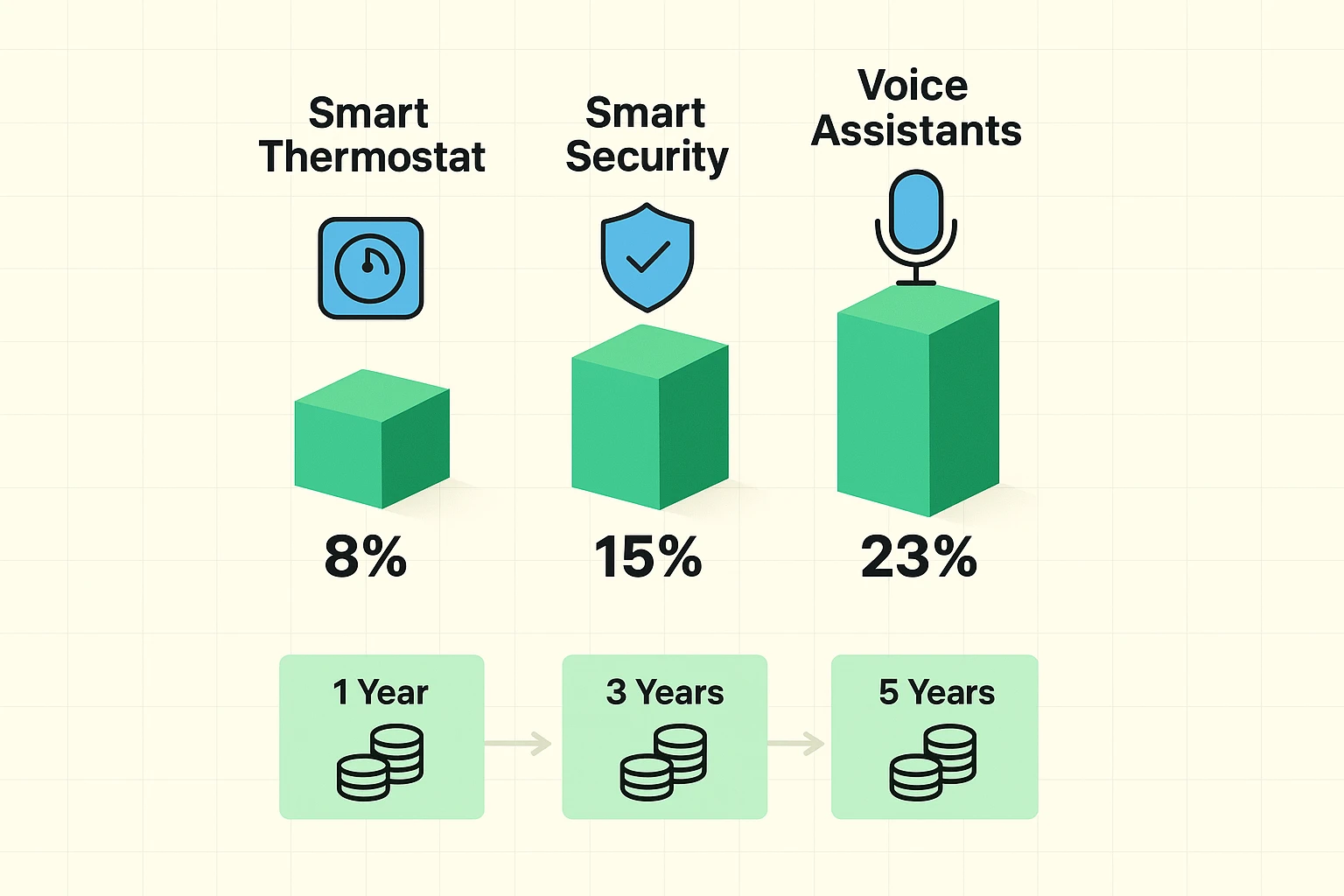
A smart thermostat is the undisputed champion of savings. According to data from sources like ENERGY STAR, these clever devices can reduce your heating and cooling costs by anywhere from 8% to 23%. For the average household, that can translate to over $100 a year back in your pocket. It learns your schedule, so it’s not blasting the heat when nobody’s home, and you can adjust it from your phone if you forget to turn it down before leaving for a trip.
Other devices chip in, too. Smart plugs can automatically turn off “vampire electronics”—like TV set-top boxes and chargers—that suck power even when they’re not in use. Smart lighting ensures you’re not paying to illuminate an empty room. While these save less than a thermostat, every little bit adds up.
It’s important to remember that most smart devices work by connecting to the internet. That means the companies that make them can collect data. While this is often used to improve their services, it’s wise to be aware of the trade-offs. Taking a few moments to review privacy settings and using strong, unique passwords for your accounts is a smart move. After all, learning how to protect your personal information is a critical skill in today’s digital world.
For most devices, your standard home Wi-Fi is perfectly fine. If you plan on installing multiple high-definition security cameras that are streaming 24/7, you might need a faster plan, but for a few lights, a thermostat, and a smart speaker, you’re probably all set.
Your smart devices will temporarily become “dumb” devices. Your smart thermostat will still function like a regular thermostat, and your light switches will still work manually. Once power and internet are restored, they should reconnect automatically.
Not always. Many devices offer a free basic plan that is good enough for most people. Before you buy, read the fine print on the box or website to see exactly what you get for free and what features cost extra.
Anything connected to the internet has some level of risk. However, you can dramatically reduce that risk by following best practices, like using two-factor authentication (2FA) in your life and creating passwords that aren’t “password123.” Reputable brands also release regular security updates to keep their devices safe.
Jumping into the world of smart home technology doesn’t have to be an all-or-nothing, budget-busting leap. It’s about making deliberate, informed choices that solve real problems and add convenience, safety, or savings to your life.
Start with one device that addresses your biggest need. Do your homework on all the costs involved—the sticker price, the installation, and the sneaky subscriptions. And most importantly, have fun with it. A little bit of tech can go a long way in making your home not just smarter, but a more comfortable and secure place to live.