Newsletter Subscribe
Enter your email address below and subscribe to our newsletter

Enter your email address below and subscribe to our newsletter
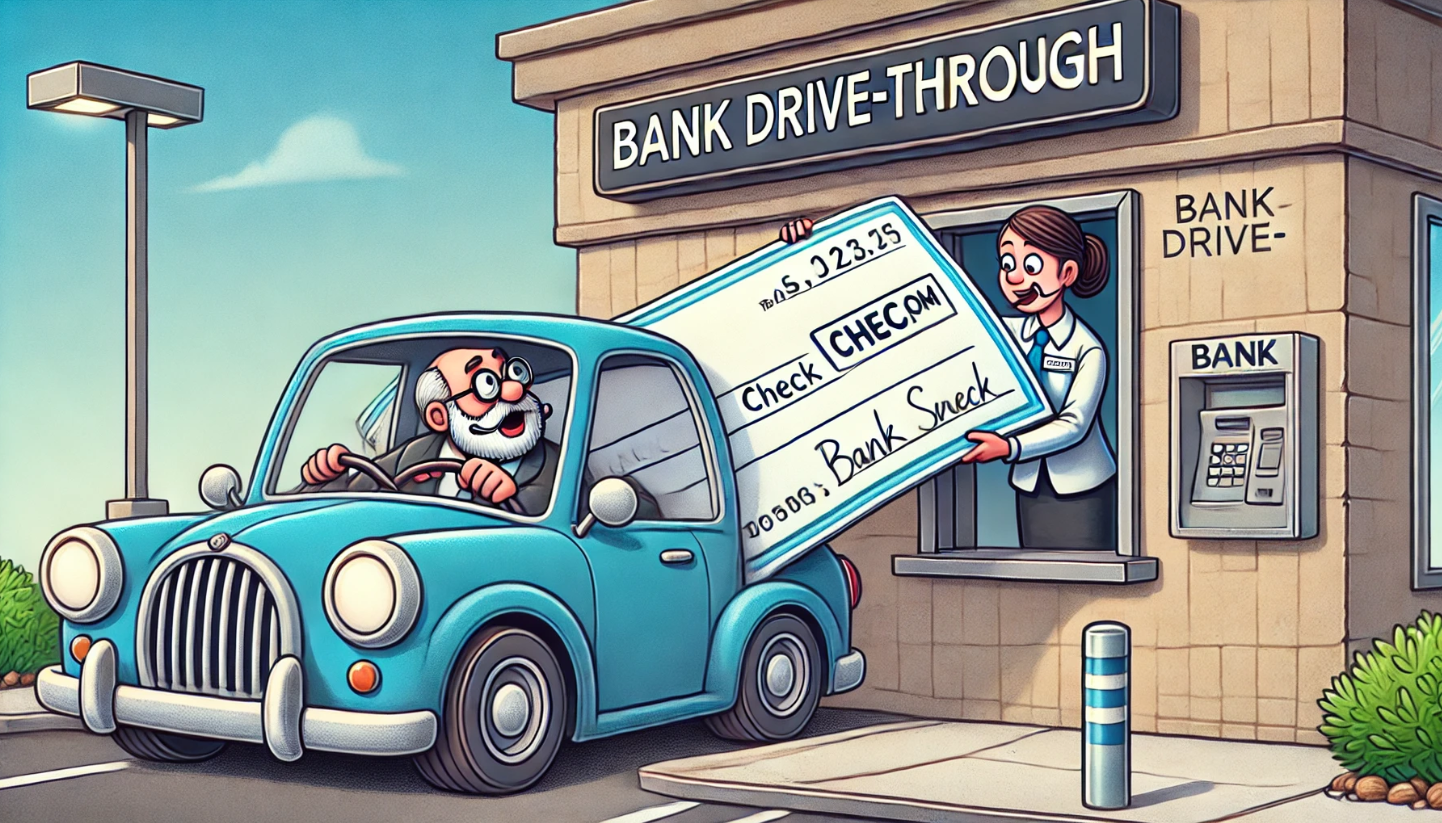
Remember what a pain in the keister it was to drive to the bank every time you had to deposit a check?
Hey, don’t get me wrong. I quite enjoy it when people want to send me money! 😉
But it’s so much easier to make bank deposits now. Just fire up your bank’s online app, snap a few pictures, and you’re rolling in dough!
That said, with cyber threats frequently making headlines, you may wonder if online banking is really safe to use.
And when you’re dealing with your financial info, that’s a very valid concern.
So let’s take a closer look at the safety of online banking.
We’ll cover if it’s safe to use, how banks protect your financial information, and things you can do to bank safely online.
Short answer: Yes, online banking is safe.
Longer answer: It’s safe if you take a few precautions—kind of like how your house is safe when you remember to lock the door, shut the windows, and maybe put that fake “Beware of Dog” sign in your front yard (even if you only have a cat).
Banks use fancy things like encryption (don’t worry, no test on that later) to keep hackers from sneaking in.
They’ve also got people and algorithms watching for suspicious activity, so if someone tries to buy a diamond-encrusted hammock from Brazil using your account, your bank will probably notice before you do.
Now, let’s get to the important part: what you can do to stay safe while banking from the comfort of your couch (or your favorite recliner with a cup of tea).
Remember the good ol’ days when your ATM password was your birthday, your pet’s name, or your grandchild’s nickname?
Yeah, don’t do that.
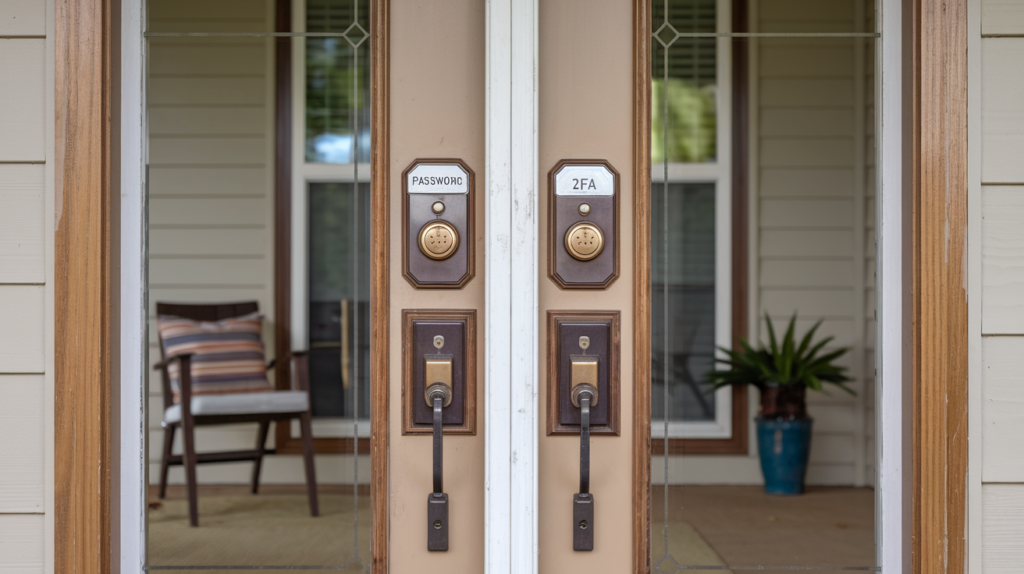
These days, your password should be something even you have trouble remembering. Throw in a mix of numbers, symbols, and letters, and you’re off to a great start.
Then, take it one step further with Two-Factor Authentication (2FA). It’s like adding a second lock to your front door—sure, it takes an extra step, but it keeps the bad guys out. With 2FA, even if someone guesses your password (probably by hacking your brainwaves), they still need a second code to get in.
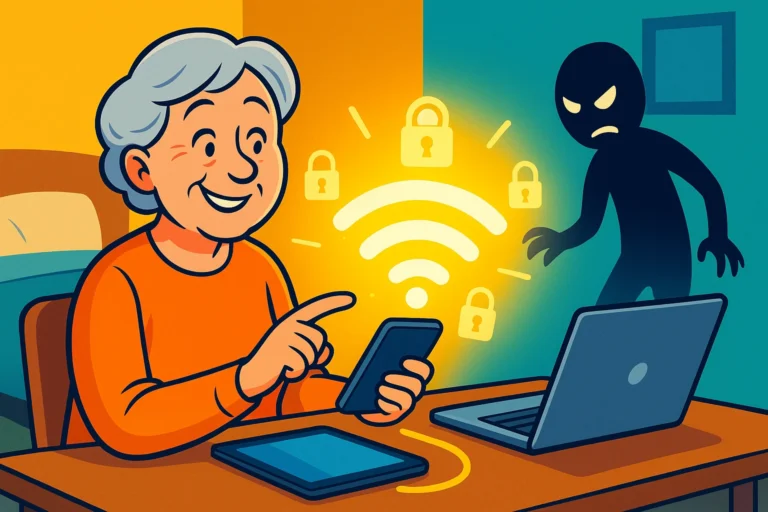
Using public Wi-Fi to check your bank account? That’s like whispering your bank info through a megaphone at the mall. Sure, it’s convenient, but it’s also a hacker’s dream.
Stick to your home Wi-Fi or, if you’re out and about, use your phone’s mobile data instead. You wouldn’t give out your house keys to random strangers, so don’t share your banking info with them, either.
Phishing: it sounds like a relaxing hobby, right? Wrong. Phishing is what happens when some sneaky scammer sends you an email pretending to be your bank (or your long-lost cousin) to trick you into handing over your login info.
Here’s a tip: If an email says, “Act fast, or your account will be closed!”—ignore it.
Banks don’t do that. They’ll politely notify you about issues, not make you feel like you’re in a game show with a ticking clock.
Remember when your car would make that clunking noise, and you’d keep putting off getting it fixed until, suddenly, your brakes stopped working?
That’s what happens when you ignore those pesky software updates on your devices. Updates patch up security holes, so don’t delay. Keep things up-to-date, and you’ll be cruising along safely.
Trying to remember a dozen complicated passwords is like trying to juggle flaming swords—it’s just not going to end well.
Enter password managers. These nifty tools store all your passwords in one safe place, so you only have to remember one password. It’s like having a personal assistant for your digital life, but without the gossip.
Set up bank alerts for things like suspicious activity or large withdrawals. This way, you’ll know right away if something fishy happens (no, not that kind of phishing).
You’ll get a text or an email saying, “Hey, did you really just spend $500 at the Fancy Yacht Store?” And you can respond with a quick, “Nope!”
If you really want to go the extra mile, you can use a VPN (Virtual Private Network).
Think of it as a private tunnel for your internet connection—hackers can’t see you while you’re in there. It’s like being a ninja on the internet, but you don’t have to wear a mask (unless you want to).
In many ways, online banking can actually be safer than visiting your local branch.
Why? Because no one can “shoulder-surf” while you’re entering your PIN at home (unless you’ve got a very nosy pet).
Hackers aren’t magicians—they can’t just wave a wand and take your money.
Banks have security systems that are like a fortress for your finances. It’s actually harder for hackers to steal from an online account than from a wallet you leave in the back of a taxi.
Here’s your easy-to-follow checklist for banking safely online:
Print this list out, stick it on your fridge, and you’ll be all set!
When you bank online, it’s vital to know that there are multiple layers of regulations and industry standards designed to protect your financial information.
The government plays a crucial role in ensuring your financial safety online. For instance, the FTC’s updated Safeguards Rule mandates that various financial institutions must develop and maintain comprehensive security systems.
This includes a range of non-banking financial companies, which are now held to higher standards to safeguard customer information. Legislation like this sets the baseline for financial security online.
In addition to government regulations, the financial industry upholds its own protocols to enhance security.
A prime example is the implementation of mandatory notification requirements by federal banking agencies, as seen in the regulations put forth by the Federal Reserve System, OCC, and FDIC.
These protocols ensure that banks are proactive in communicating any security incidents, thereby improving response times and minimizing potential damages to consumers like you.
Online banking might feel like stepping into the unknown, but with these simple steps, you’re just as safe (if not safer!) as if you were handing your money to the friendly teller at your local branch.
So go ahead, log in, pay those bills, and maybe even splurge on something fun. You’ve earned it!