Newsletter Subscribe
Enter your email address below and subscribe to our newsletter

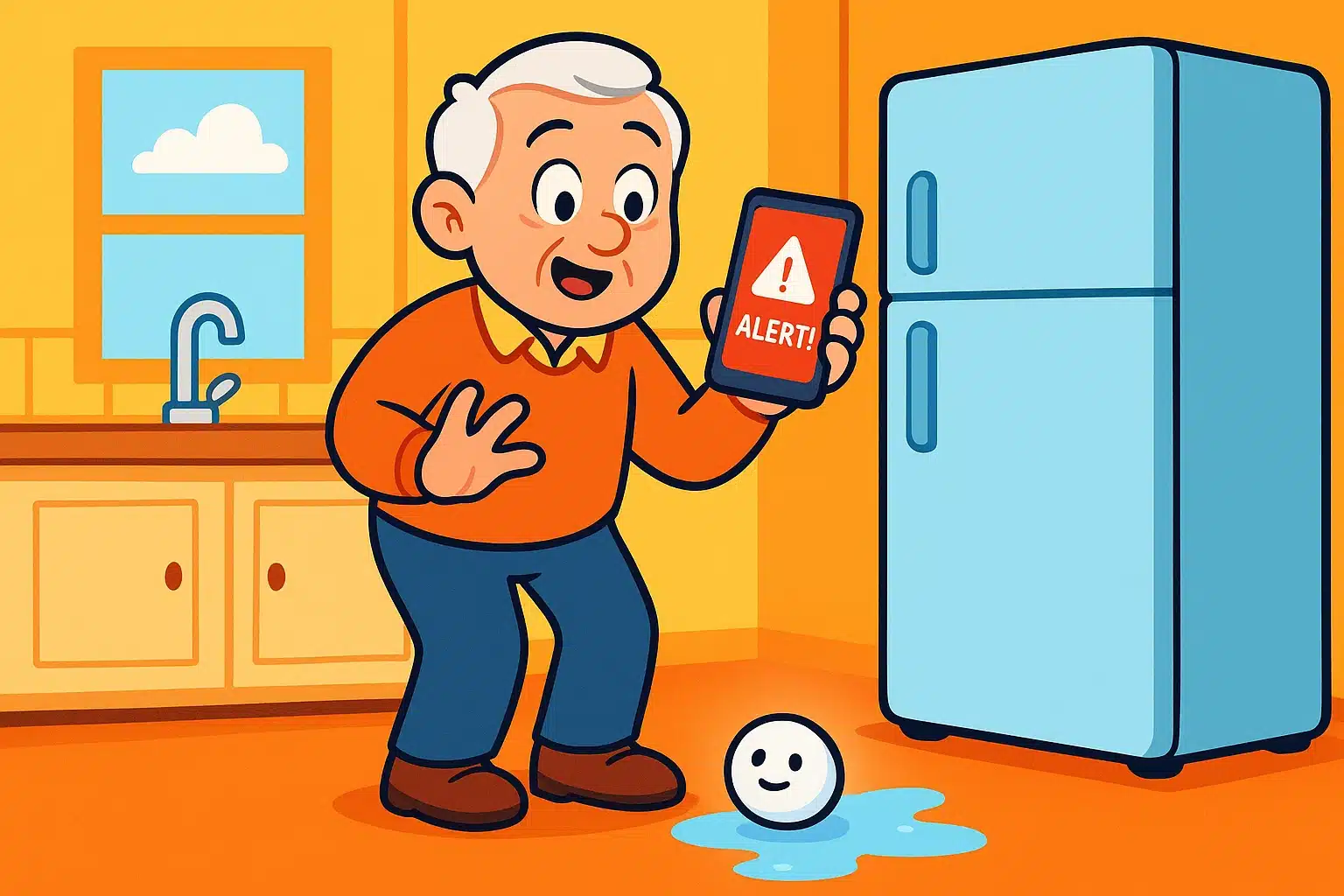
There is a universal law of homeownership stating that your plumbing will only fail when you are: A) asleep, B) on a relaxing vacation, or C) wearing a pair of fresh, perfectly dry socks.
You walk into the kitchen for a midnight snack, and suddenly, squish. You’ve just discovered that your refrigerator has decided to empty its ice maker onto your hardwood floors. In the old days, we called this “finding out the hard way.” You’d grab a mountain of towels, mutter a few choice words, and call a plumber who charges by the minute.
But what if your house could tap you on the shoulder and say, “Hey, the pipes under the sink are getting a little sweaty,” before the disaster happens?
Welcome to the world of predictive home maintenance. We are moving away from the stressful game of “fixing what’s broken” and learning how to listen to the warnings instead. And don’t worry—you don’t need a degree in computer science to make this work. You just need a few simple, inexpensive gadgets acting as your digital sentries.
When we think of home hazards, we usually picture dramatic events like a tree falling on the roof. But the real enemy is usually a slow, sneaky drip.
A tiny leak behind the toilet might not seem like a big deal until three months later when it has bred a small forest of toxic mold in your floorboards. Suddenly, a $5 part has turned into a $10,000 renovation project. For seniors aging in place, this isn’t just a financial headache; it’s a massive disruption to your peace of mind and independence.
This is where smart sensors step in. Think of them as 24/7 watchers that never sleep, never take a coffee break, and never forget to check the basement. They reduce the mental burden of constantly worrying about what’s happening behind your walls or under your appliances.
Creating a smart maintenance system sounds like something from a sci-fi movie, but it really just comes down to placing three simple tools around your home.
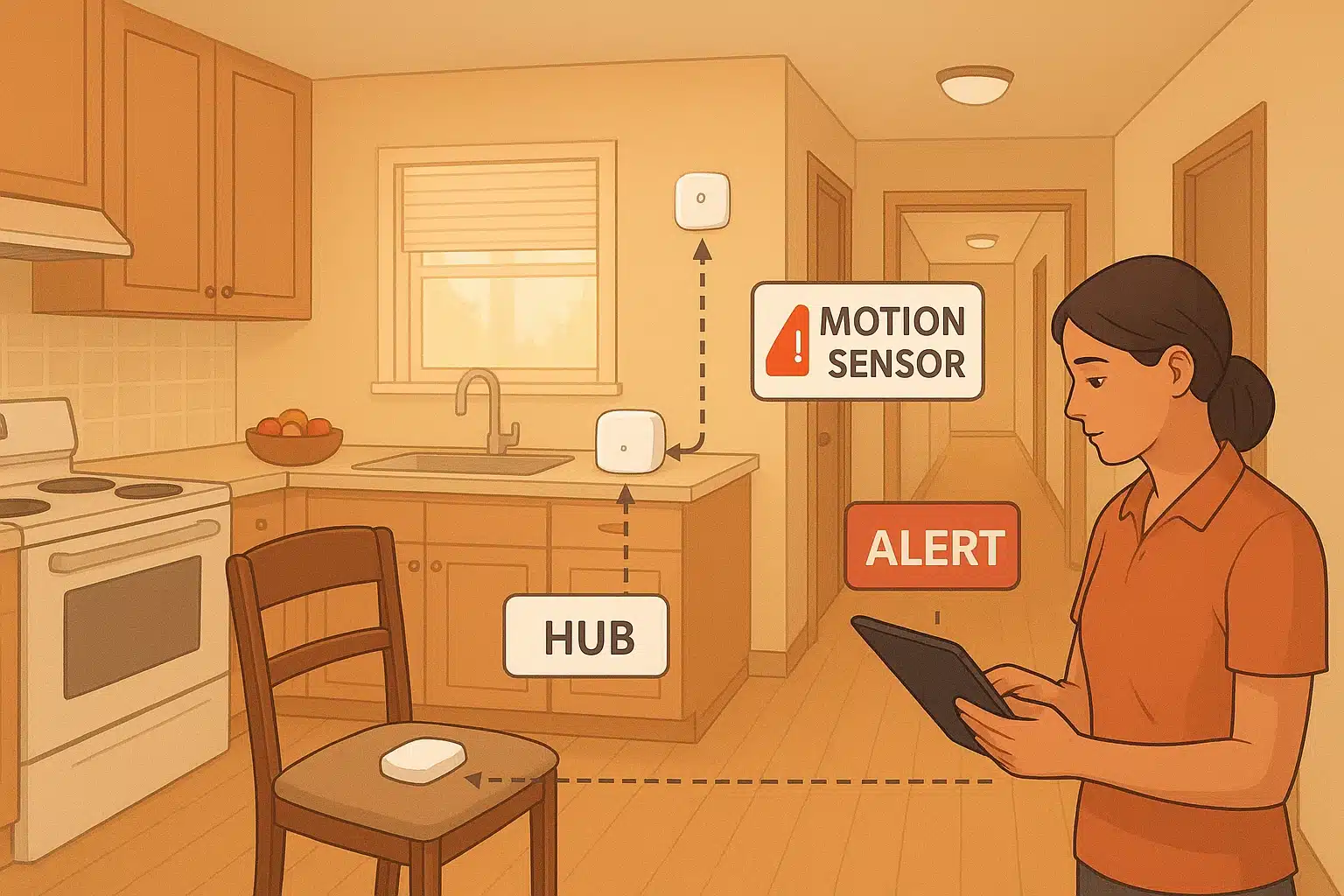
These are little plastic discs or cables that you place on the floor. The moment they feel a drop of water, they send an alert to your phone (and can even sound a loud alarm).
You don’t need them in every room, just under the “Big 5” trouble spots: the kitchen sink, the toilet, the water heater, the refrigerator, and the washing machine. If your washing machine hose gives up the ghost mid-cycle, this sensor will let you know before your laundry room becomes an indoor swimming pool.
If you live in a climate where winter actually feels like winter, frozen pipes are a terrifying prospect. Temperature sensors monitor the chilly, forgotten areas of your home, like the basement or the garage.
If the temperature drops dangerously close to freezing, the sensor sends you a warning. This gives you time to go open some cabinet doors or turn up the heat before a pipe bursts and turns your living room into an ice-skating rink.
This might be the coolest trick in the predictive maintenance playbook. You probably have an older refrigerator or window AC unit that you just know is on its last legs.
By plugging that appliance into a $15 smart plug, you can monitor its “Energy Signature.” When a refrigerator motor starts dying, it has to work twice as hard to keep your milk cold. The smart plug will show you a massive spike in energy use—essentially, the appliance screaming for help—long before it actually fails and ruins a month’s worth of groceries.
Now, I know what you’re thinking: “My phone already dings at me all day. I don’t want my house texting me too.” This is a very valid concern. Technology should make your life easier, not turn you into a nervous wreck.

This is where the “Delegated Alert Matrix” comes in. Most smart home systems allow you to choose exactly who gets notified when something goes wrong.
You can set it up so that you only hear a local beep if the sink drips, but if the basement floods while you’re visiting friends, the alert goes straight to your adult child or a trusted neighbor. This keeps your family informed and capable of jumping into action, without you having to constantly manage the technology yourself.
Aside from saving your dry socks, these sensors act as digital insurance for your home’s value. But they can also save you actual, hard cash on your monthly bills.
Many major insurance companies now offer a “Smart Home Discount” for seniors who install leak detectors. They know that a $30 sensor can save them from paying out a $15,000 water damage claim.
Before you buy anything, give your insurance agent a call. Ask them, “Do you offer premium discounts for smart water leak detectors?” In many cases, the discount pays for the cost of the sensors in the very first year.
At Senior Tech Cafe, we don’t blindly cheerlead for Big Tech. We know that bringing internet-connected devices into your home can feel like inviting a nosy neighbor to live in your cupboards.
The good news? Leak detectors and smart plugs are some of the most private tech gadgets available. They don’t have microphones, they don’t have cameras, and they don’t care what you’re talking about at the kitchen table. They only care about two things: electricity and water. Just stick to reputable brands, and your privacy remains firmly intact.
Not a problem! There is a “No-Wi-Fi Fail-Safe.” You can purchase cellular-based sensors that operate on cell tower signals, just like a mobile phone. They are perfect for seniors who don’t want or need a home internet connection but still want the protection.
Placing leak detectors and smart plugs is entirely DIY. If you can plug in a toaster or set a coaster on a table, you can install these. However, if you want an advanced system that automatically shuts off your main water valve when a leak is detected, you will need a professional plumber to install it.
These gadgets are pretty smart. Most run on standard AA or AAA batteries that last a year or two. When the battery gets low, the sensor will send an alert to your phone (or your caregiver’s phone) saying, “Hey, feed me!” weeks before it actually dies.
You don’t need to transform your home into the Starship Enterprise all at once. Start small.
This weekend, consider purchasing a simple, inexpensive smart leak detector. Place it under the one appliance that makes you the most nervous—usually the water heater or the aging washing machine. Once you see how easy it is to set up, and you feel that wave of peace of mind, you can decide if you want to expand your digital sentry army.
Technology shouldn’t be intimidating. When used correctly, it’s just a tool to help you enjoy your home with confidence, clarity, and significantly drier socks.