Newsletter Subscribe
Enter your email address below and subscribe to our newsletter

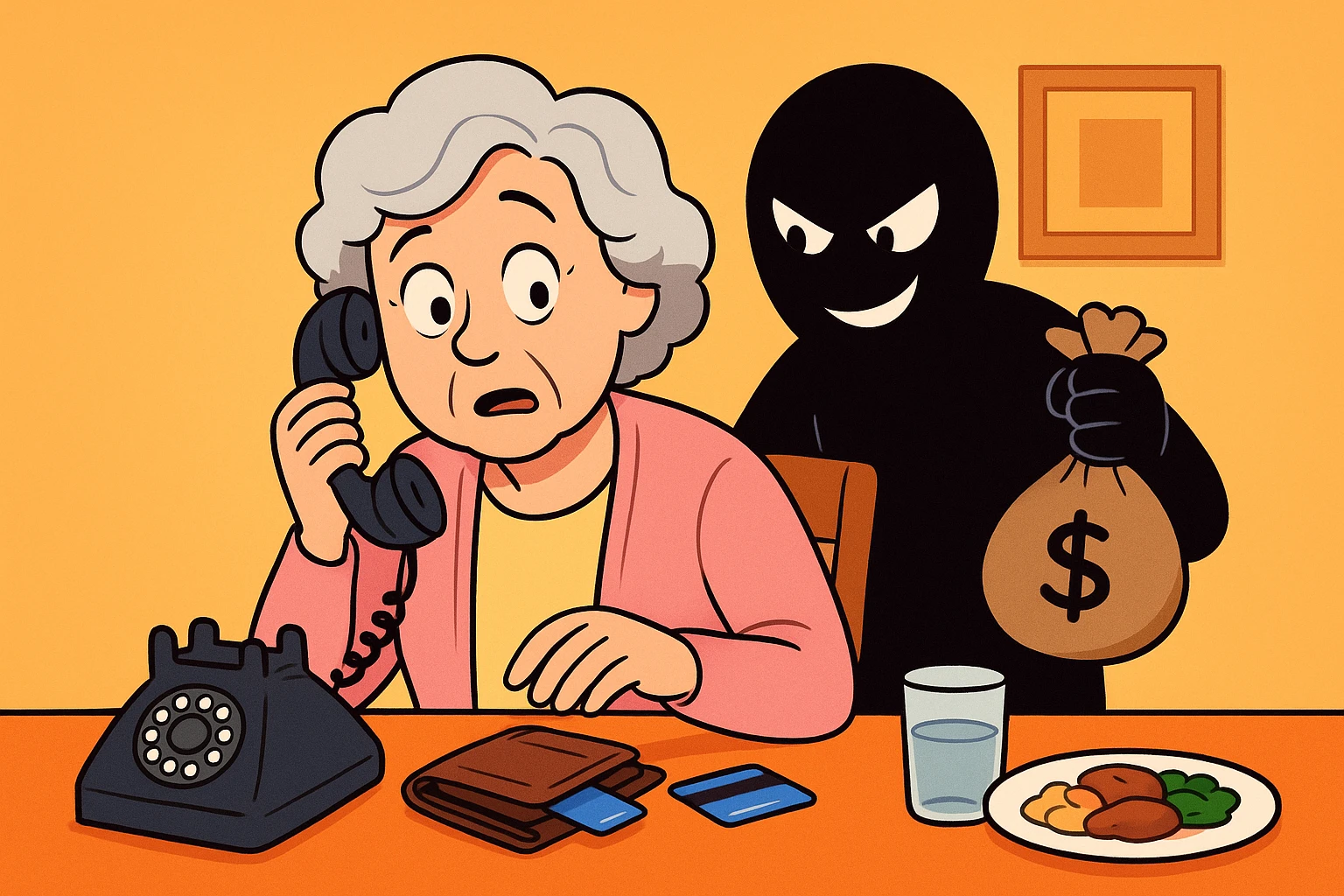
Picture this: You’re finally sitting down to a hot dinner. Naturally, the phone rings immediately, because the universe has a strict policy against uninterrupted meals. You answer, expecting a robotic voice warning you that your car’s extended warranty is about to expire.
Instead, it’s a polite, passionate young man calling on behalf of the “Orphaned Puppies of the Recent Devastating Hurricane Foundation.” He tells a heartbreaking story. You instinctively reach for your wallet, because you are a good person and you like puppies.
Stop right there. Put down the credit card and back away from the phone.
While your generosity is basically a superpower, there is a very real chance that “polite young man” is actually a scammer working out of a basement, using your heartstrings to fund his next tropical vacation. Scammers know that seniors are the most generous demographic on the planet, and they have weaponized that empathy against you.
Criminals love a good tragedy. Whenever there’s a natural disaster, a major holiday, or a global crisis, fake charities pop up like weeds in a spring lawn. They rely on creating a “high-arousal” emotional state. They want you feeling so sad, angry, or urgent that you bypass your logical brain entirely.
These days, scammers change their tactics even faster than the headache of changing internet providers. They are now using terrifyingly advanced technology, like AI voice cloning. They can pull a tiny snippet of audio from social media and clone a loved one’s voice, calling to say they are trapped in a disaster zone and need money sent to a “rescue charity” immediately.
It sounds like a sci-fi movie, but it’s happening every day. Scammers want you panicked. A legitimate charity, on the other hand, will gladly let you take your time, finish your pot roast, and mail them a check next week.
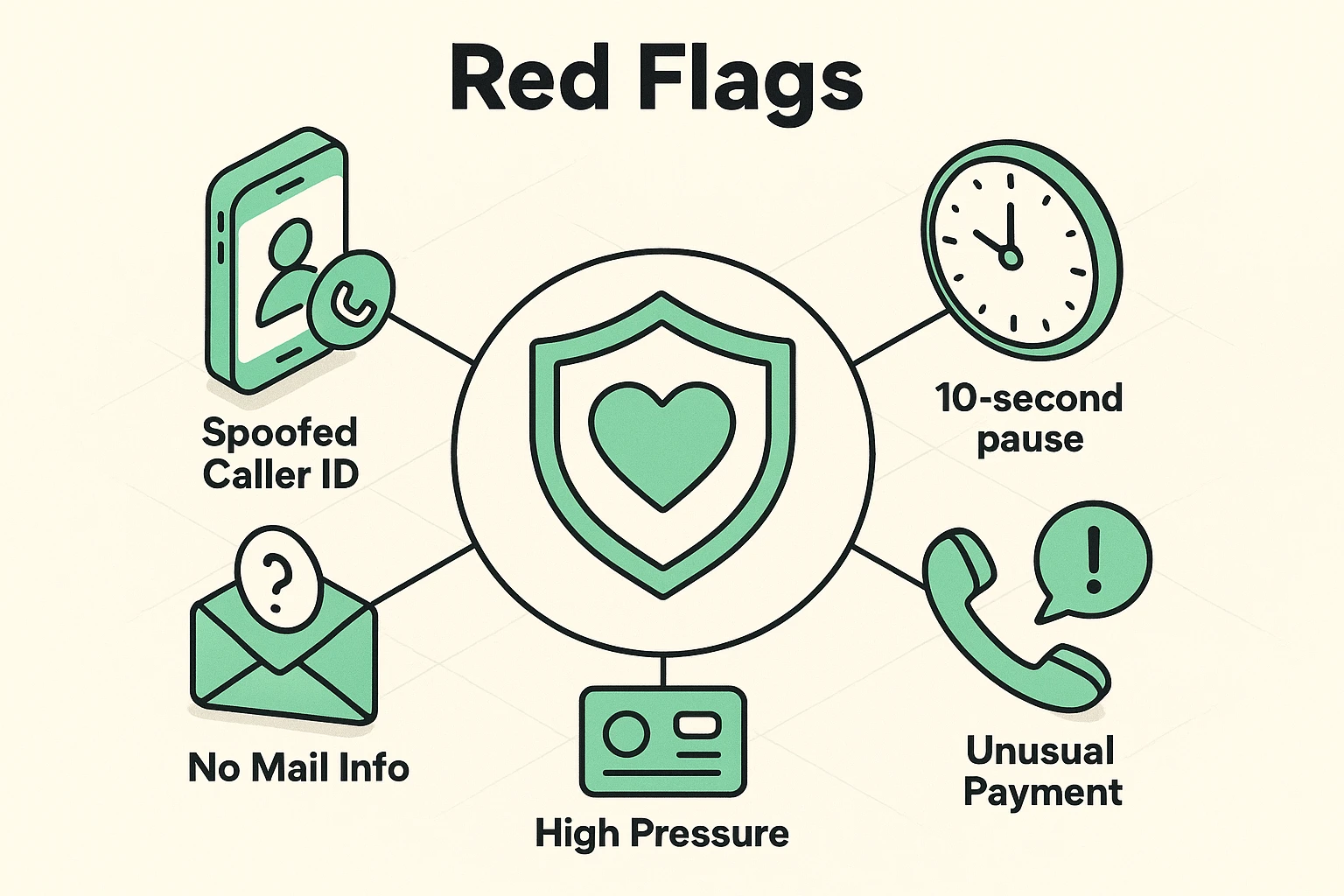
Before you hand over your hard-earned cash, run the interaction through this quick mental checklist. If any of these red flags wave, hang up the phone.
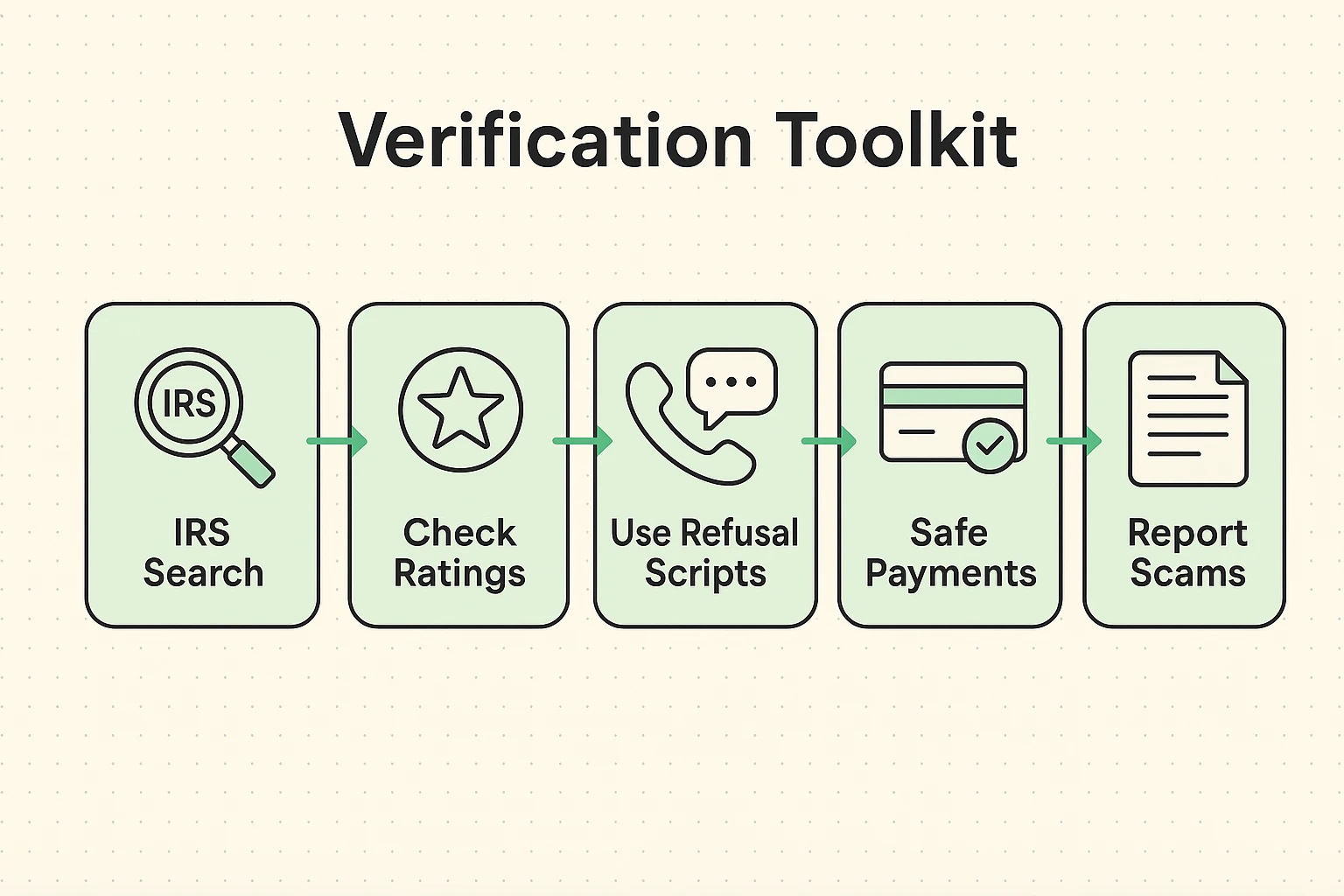
So, how do you bridge the gap between wanting to help and not wanting to get fleeced? It’s easier than you think. You don’t need a magnifying glass or a deerstalker hat—just an internet browser.
First, go directly to Charity Navigator or CharityWatch. These are independent organizations that grade charities on a 4-star scale based on their transparency and effectiveness. If a charity isn’t listed there, proceed with extreme caution.
Second, use the IRS Tax Exempt Organization Search Tool. If an organization claims your donation is tax-deductible, they legally must be registered as a 501(c)(3) with the IRS. Taking three minutes to look them up on the official IRS website is the ultimate lie-detector test for scammers.
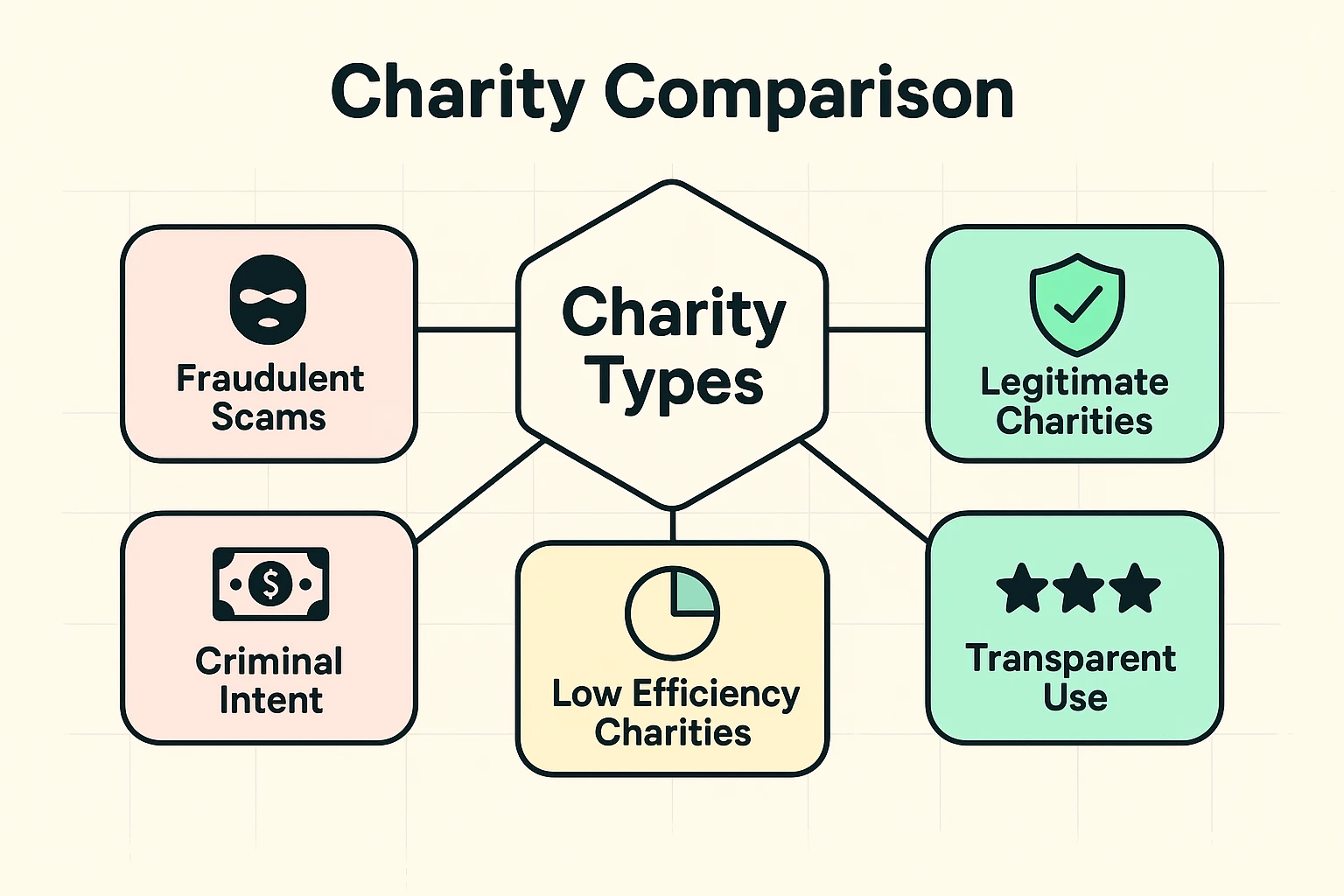
Here is a massive point of confusion for many folks: there is a big difference between an illegal scam and a legal, but highly inefficient, charity. You want to avoid both, but they require different radars.
A criminal scam simply steals your money outright. An inefficient charity, however, operates legally but spends 80% of your donation on “administrative costs” and telemarketing, leaving only pennies for the actual cause. A classic example is the “Police Charity Loophole.” Many telemarketers call asking for donations to “Scam PACs” (Political Action Committees) claiming to support local police. Legally, they can keep up to 90% of the funds to pay themselves, passing almost nothing to actual officers.
On the flip side, look at highly transparent organizations like Charity: water. They use a “100% model,” meaning private donors cover all their overhead, so 100% of your public donation goes straight to funding clean water projects. Scammers and bad charities will never offer this level of transparency.
We were raised to be polite. Hanging up on someone feels rude, even if that someone is trying to steal from us. But when you’re on the phone with a high-pressure caller, you need to employ the 10-Second Pause Rule.
If you feel your heart racing or you feel rushed, simply hang up the phone, put it down, and count to ten. Breaking that physical connection shatters the emotional spell the scammer is trying to cast over you.
If you can’t bear to just hang up, use one of these handy refusal scripts. Say them firmly, and then immediately disconnect:
If you realize you’ve given money to a scammer, take a deep breath. Do not feel embarrassed, and do not keep it a secret. Scammers do this for a living; they are professionals at manipulation, and it happens to the smartest people every single day.
First, call your credit card company or bank immediately to dispute the charge and freeze your account. Next, report the fraud to the Federal Trade Commission (FTC) at ReportFraud.ftc.gov, and to the FBI’s Internet Crime Complaint Center (IC3). Reporting it helps authorities track these criminals down and stops them from targeting others.
Not usually. It is incredibly easy for scammers to set up fake GoFundMe pages or mimic real charities on Facebook. Instead of clicking the link, open a new browser window, search for the charity’s official website, and donate there directly.
Don’t let this fool you! Sadly, data breaches are common, and “sucker lists” (lists of generous people and their addresses) are bought and sold by scammers on the dark web. Just because they have your information doesn’t mean they are legitimate.
Crowdfunding sites can be wonderful for helping a specific neighbor, but they are also a playground for disaster scams. Only donate to crowdfunding campaigns if you personally know the organizer in real life. Otherwise, stick to established, vetted organizations.
The safest path is proactive giving, rather than reactive giving. Don’t wait for a phone call or an email to prompt you. Pick two or three well-researched, highly-rated charities (using Charity Navigator) and make your donations directly on their official websites.
You’ve spent a lifetime working hard and giving back. By using these simple verification tools and refusing to let telemarketers bully you, you can ensure your hard-earned money actually goes toward changing the world. Keep your generosity strong, but keep your shield up!