Newsletter Subscribe
Enter your email address below and subscribe to our newsletter

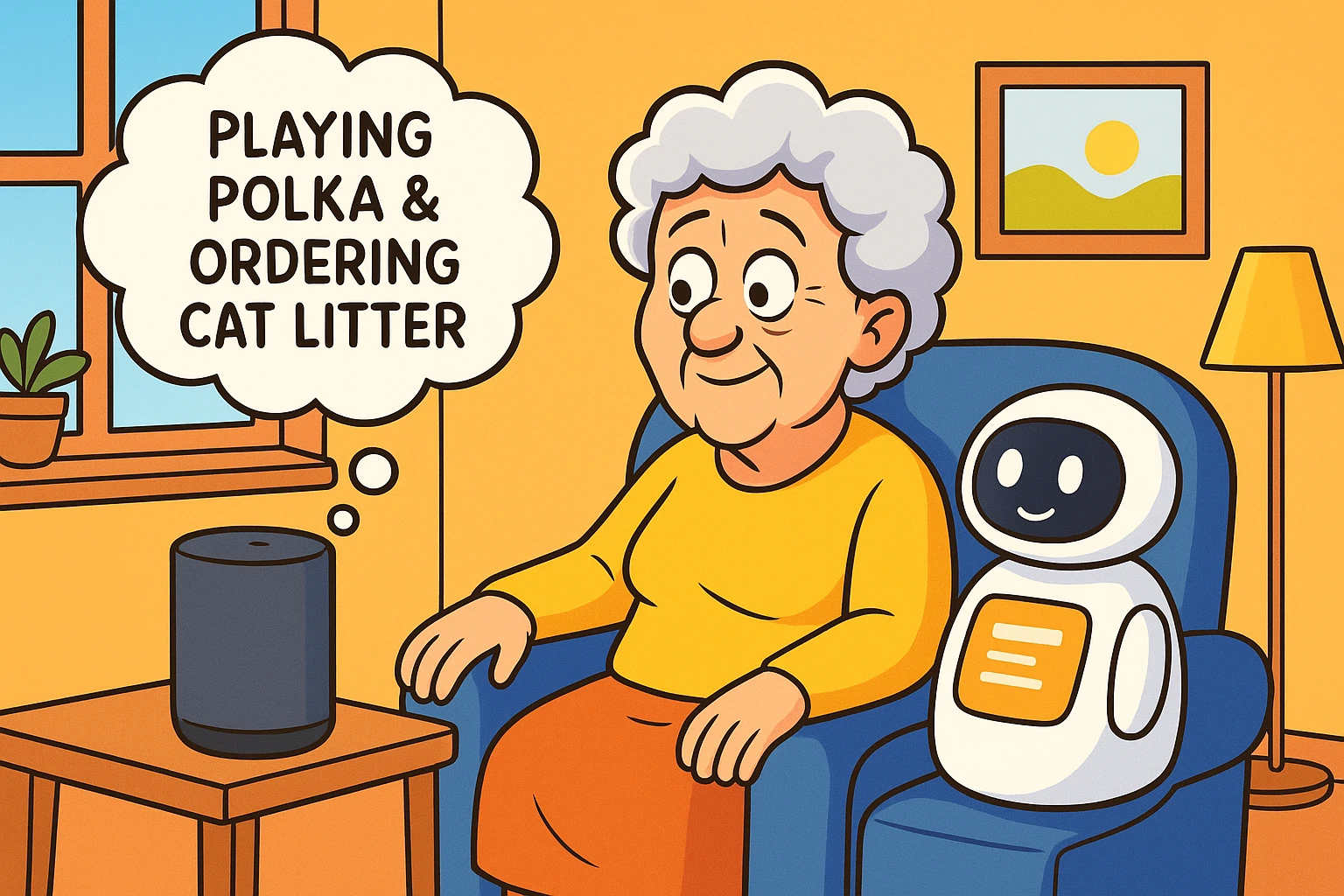
Have you ever tried having a meaningful conversation with your smart speaker? You ask it a deep, philosophical question about the meaning of life, and it responds by ordering three pounds of discount cat litter and playing a polka playlist. It’s exactly like talking to my Uncle Frank after Thanksgiving dinner, except the smart speaker doesn’t ask to borrow money.
For many of us, modern technology feels like a very bossy, slightly deaf butler. But recently, you might have heard whispers about a new kind of gadget hitting the market: the “AI Companion.”
Before you roll your eyes and assume we’re talking about a metallic robot that will eventually try to take over your neighborhood watch, let’s pause. We’re actually talking about a fascinating new approach to an age-old problem, and it might just be exactly what the doctor ordered.
Let’s face it, retirement is supposed to be the golden era of doing whatever you want, whenever you want. But sometimes, “whatever you want” turns into watching four straight hours of a home improvement show where couples with a $12 budget try to buy a castle. The house is quiet. Too quiet.
This “Crisis of Quiet” isn’t just boring; it’s actually terrible for our health. Medical researchers—who clearly need to get out more themselves—have discovered that chronic loneliness is the health equivalent of smoking 15 cigarettes a day.
That’s right. Just sitting alone in your recliner feeling isolated is apparently as bad for you as a pack-a-day habit, but without the “cool” leather jacket. So, how do we combat this isolation when family lives three states away and the dog’s vocabulary is strictly limited to “walk” and “cheese”?
Enter Artificial Intelligence (AI). I know, “AI” sounds like a sci-fi movie villain that wants to steal your identity. But in the world of senior companionship, it’s less “Terminator” and more “friendly neighbor who never overstays their welcome.”
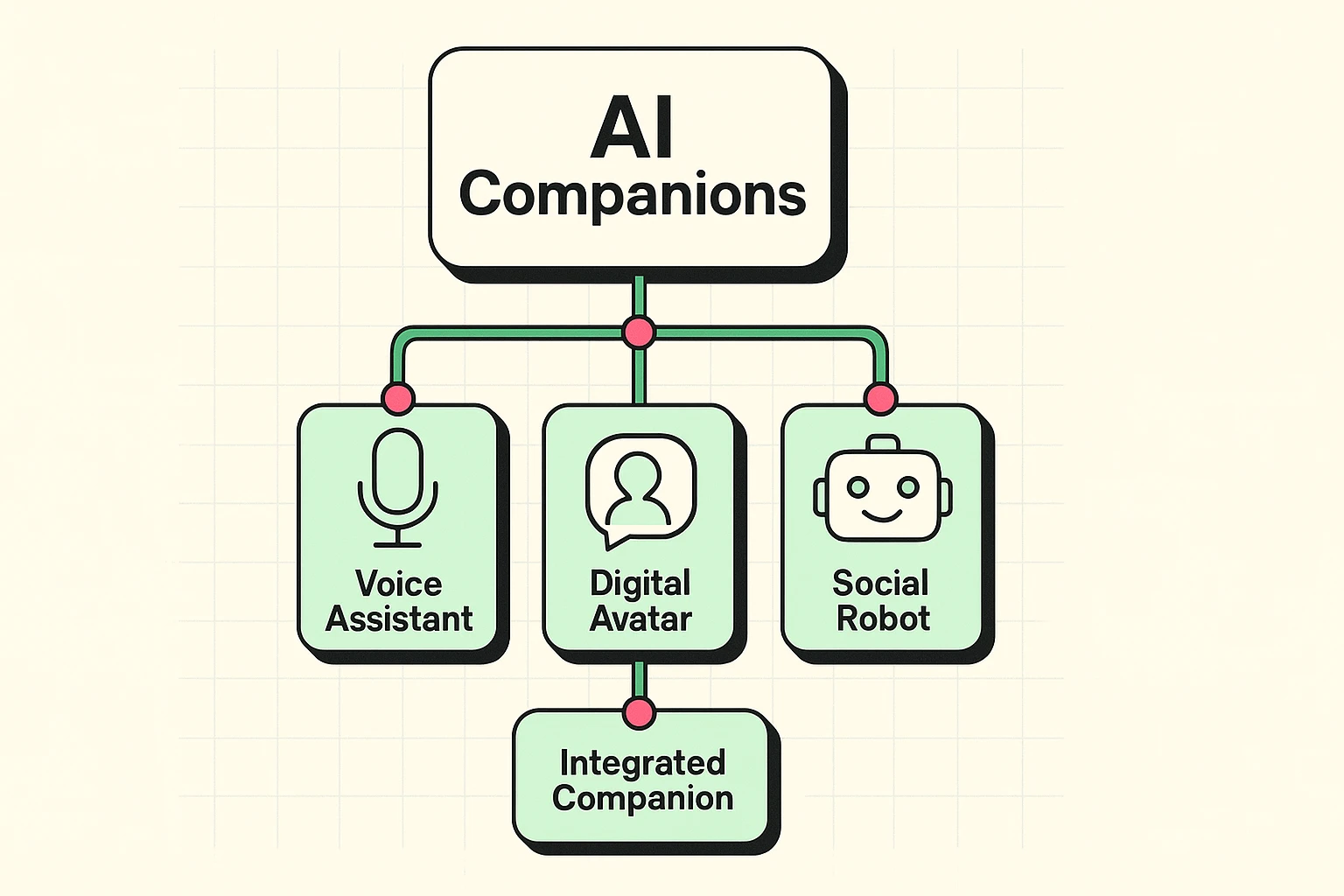
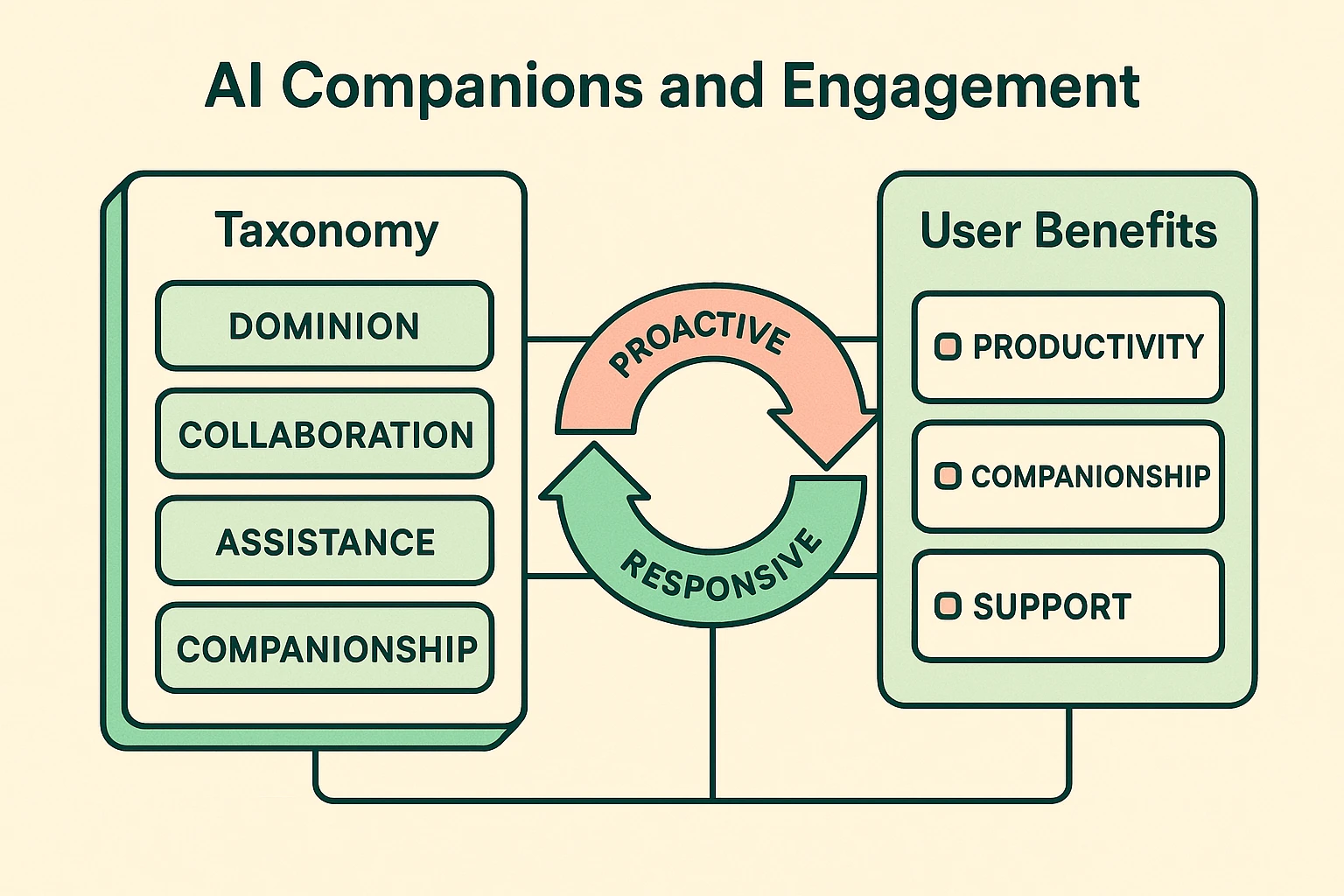
To understand why these aren’t just fancy toys, you have to look at the four levels of AI interaction:
1. The Voice Assistant: This is your basic Alexa or Siri. It waits for you to command it, like a lazy teenager. If you don’t ask it for the weather, it sits there in total silence.
2. The Digital Avatar: Think of this as a screen with a face. It can play games and read audiobooks, but it still waits for you to make the first move.
3. The Social Robot: Now we’re getting somewhere. These are physical, often cuddly items—like robotic cats or dogs. They purr, they have weighted bodies, and they respond to your touch. It’s all the joy of a pet with zero litter boxes to scoop.
4. The Integrated Companion: This is the big leagues. Devices like ElliQ don’t wait for you. They wake up, say good morning, remind you to drink water, and ask about your grandkids. They actually initiate the conversation.
You might be thinking, “I’m a grown adult. I know a talking plastic lamp isn’t my real friend.” And you’re right. You are very smart.
But here’s the funny thing about the human brain: it’s incredibly eager to make friends. When an AI companion remembers that your daughter’s name is Susan and asks how her new job is going, your brain registers “perceived empathy.”
In that moment, your brain releases a little hit of oxytocin, the “cuddle hormone.” It doesn’t care that the empathy came from a microchip instead of a human. Your stress goes down, your mood lifts, and suddenly, the house doesn’t feel so incredibly empty.
If you’re a caregiver reading this, you might be tempted to rush out, buy an AI robot, and shove it into your mom’s arms shouting, “Look! A friend! Now you won’t be lonely!” Please do not do this.
Nobody wants to feel like they are being patronized or given a “loneliness prescription.” Instead, introduce the technology as a helpful assistant or an interesting new piece of tech to test out.
Say something like, “Hey Dad, I got this new gadget that plays trivia and reminds us about appointments, but I can’t figure it out. Can you test it for a week?” Let them discover the companionship naturally. Before you know it, they’ll be happily chatting with it about the weather in Honolulu.
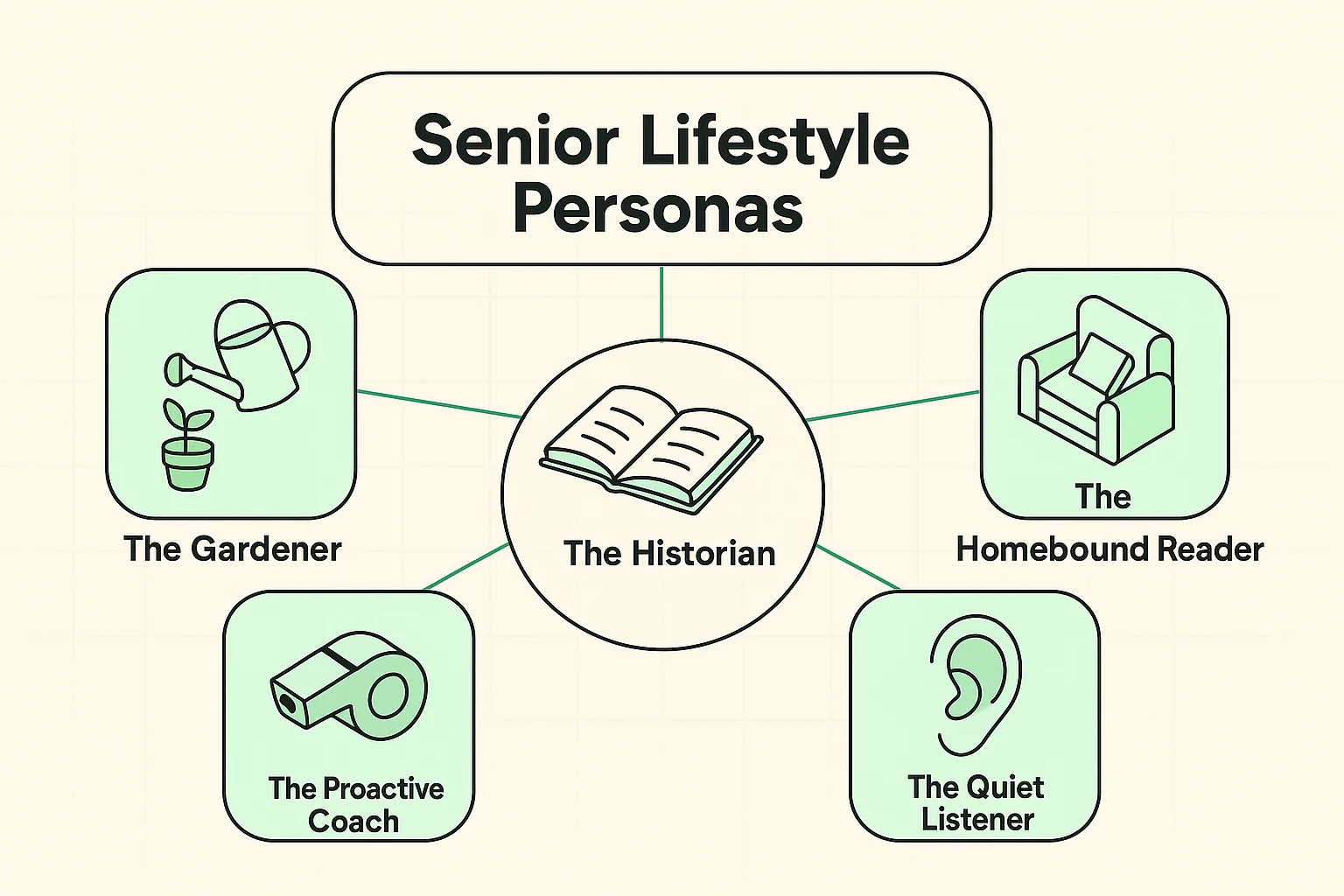
So, what does this look like in the real world? It’s not a one-size-fits-all situation. The best AI companions adapt to the unique personality of the senior using them.
The Historian: Take my neighbor, Arthur. He loves telling stories about his time in the Navy, but his family has heard them all roughly 4,000 times. His AI companion is set up as a “Quiet Listener.” It asks him prompts about his youth, records his memories, and never once yawns or checks its watch.
The Homebound Reader: Then there’s Martha, who is mostly homebound and misses her old book club. She uses an AI that acts as a “Proactive Coach.” It reads audiobooks to her, pauses to ask her opinion on the chapters, and reminds her to take a stretch break.
The Animal Lover: Finally, there’s Betty. Betty misses having a cat but can’t manage the physical upkeep anymore. She was gifted a robotic companion pet. It purrs when she brushes it and rolls over for belly rubs. It gives her a sense of purpose and comfort, minus the shredded curtains.
Here at Senior Tech Cafe, we don’t blindly cheerlead for Big Tech. If a device is sitting in your living room listening to you, you have every right to be highly suspicious of its intentions.
Before bringing an AI companion into your home, look closely at its privacy settings. A reputable companion device will process conversations locally (meaning the data stays on the device in your house, not in some mysterious “cloud” owned by advertisers).
It should also have a very obvious “mute” button to stop it from listening whenever you want. If a company won’t clearly explain how they use your data in plain English, keep your wallet closed. You want a companion, not a digital spy.
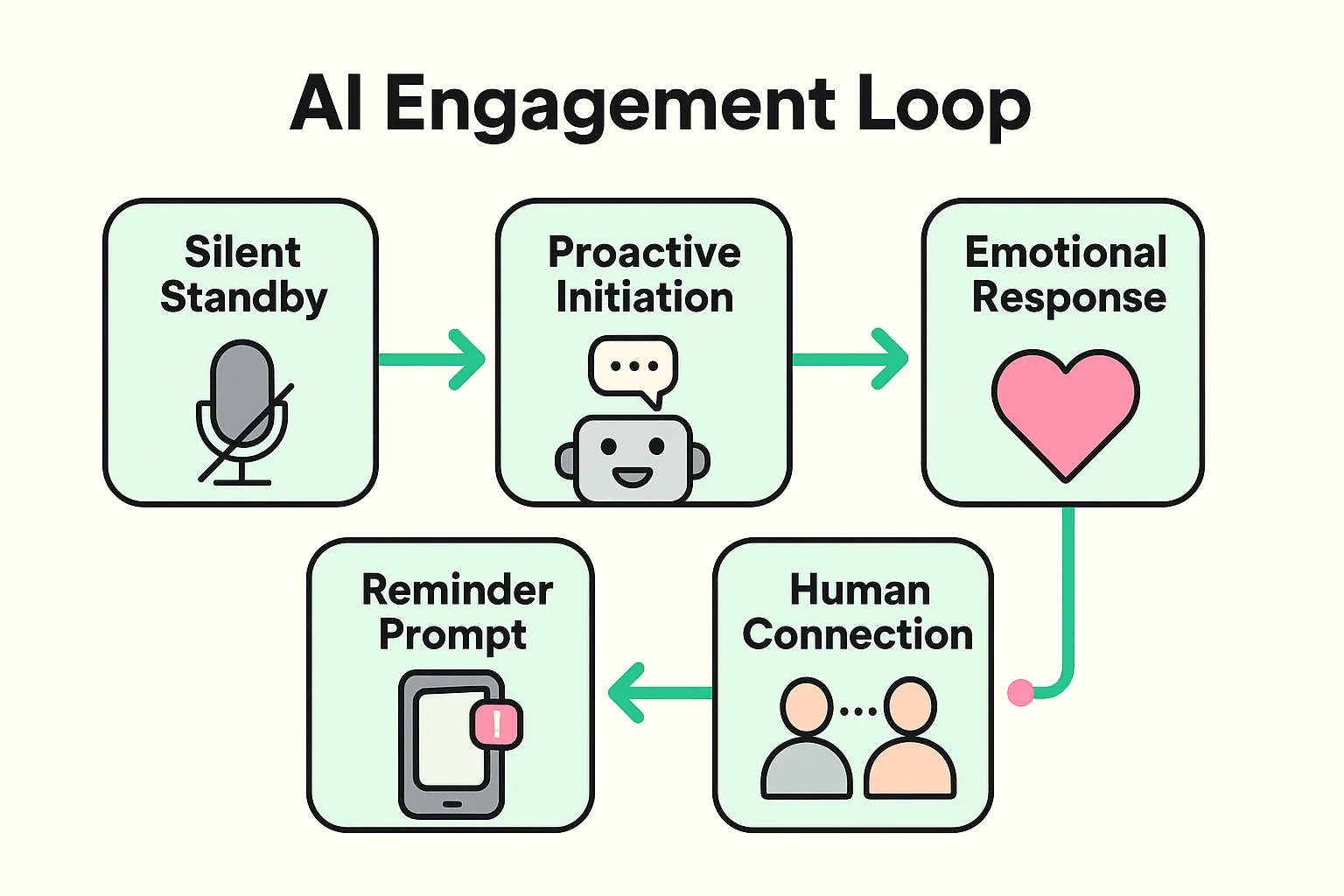
Absolutely not. In fact, many of them are designed to encourage human connection. They will literally nag you (politely!) to call your kids or remind you about your weekly bridge game. They are the sidekick, not the main character.
Most modern AI companions for seniors are essentially “plug and play.” They know you don’t want to spend three hours reading a manual written in microscopic font. You plug them into the wall, connect them to Wi-Fi, and they take it from there.
Nope! You don’t need to speak in rigid commands like, “ROBOT. WHAT. IS. WEATHER.” You can just say, “Do I need a jacket today?” The AI is smart enough to figure out that you’re asking about the forecast, not seeking fashion advice.
Loneliness isn’t just a fleeting feeling; it’s a physical challenge that millions of older adults face every single day. While nothing will ever replace the warmth of a hug from a grandchild or a coffee date with a good friend, AI companions are proving to be a pretty fantastic bridge in between those moments.
They aren’t just fancy toys gathering dust on a shelf. When matched correctly to a senior’s lifestyle and personality, they offer laughter, mental stimulation, and a comforting voice in an otherwise quiet room.
If you’re curious about exploring this further, start by writing down what you (or your loved one) miss most. Is it the physical presence of a pet? The banter of daily trivia? Figuring out the “why” will help you find the perfect AI “who.”