Newsletter Subscribe
Enter your email address below and subscribe to our newsletter

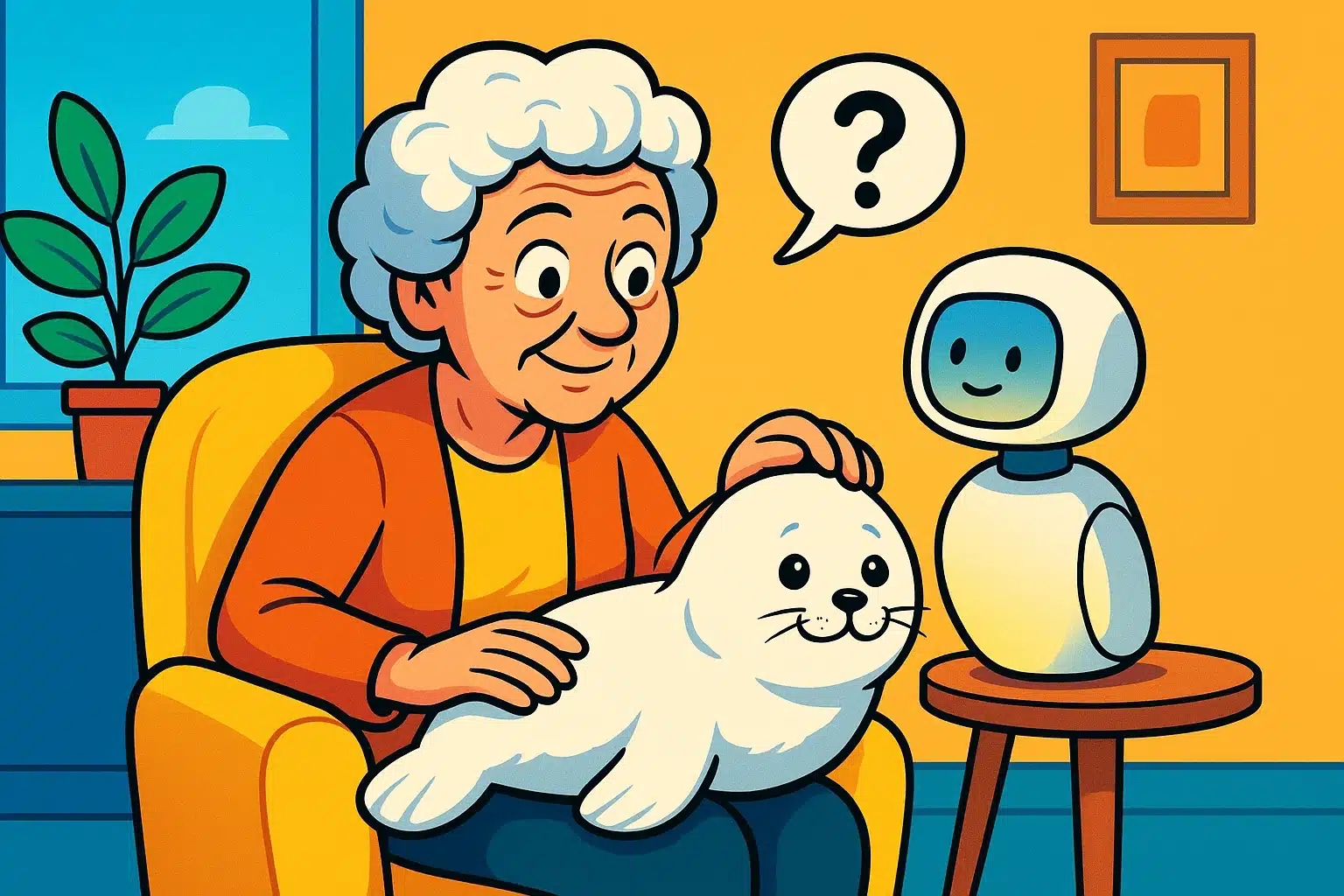
Imagine walking into your living room, clearing your throat, and saying, “Good morning, toaster. How are we feeling about pumpernickel today?” If your toaster answers back, you either have a very vivid imagination, or you’ve accidentally purchased a companion robot. Most of us already talk to inanimate objects. We plead with our cars to start on cold mornings and yell at our printers when they inexplicably jam.
But now, the tech world has decided to lean into this habit by creating machines that actually talk back. They’re called companion robots, and they are designed specifically to combat loneliness. Naturally, your first thought is probably, “Is this a joke? Am I supposed to be best friends with an iPad glued to a roomba?”
It’s a fair question. The idea of seeking emotional support from a bundle of wires and microchips feels a bit absurd, like trying to get a warm hug from a vending machine. But before we dismiss them as just incredibly expensive, fancy pet rocks, let’s look at the science. It turns out, our brains are surprisingly eager to make friends with anything that blinks, purrs, or remembers our grandchildren’s names.
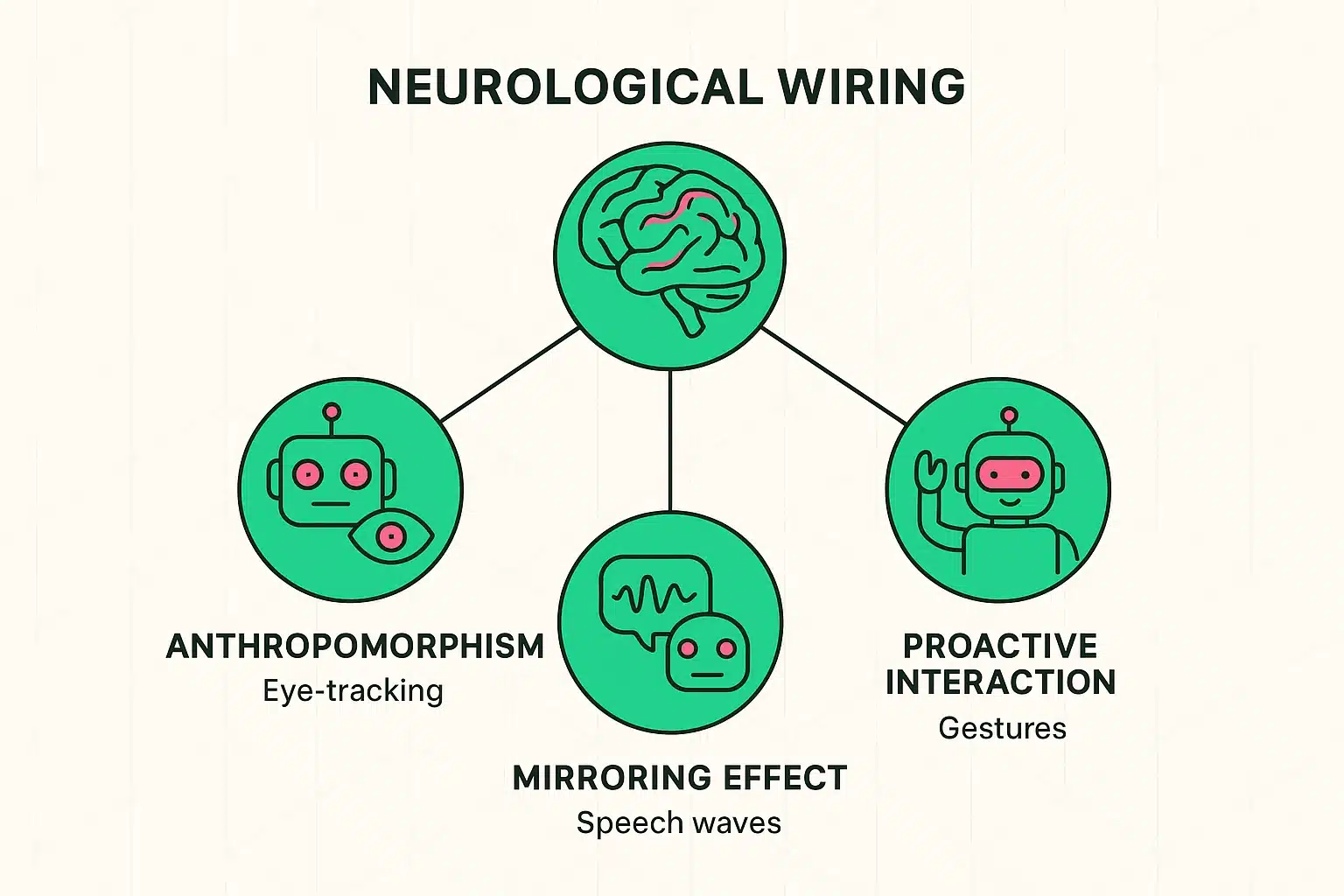
Let’s talk about “anthropomorphism.” That’s a fancy, five-dollar word for our deeply human tendency to give human traits to non-human things. Remember the movie Cast Away, where Tom Hanks turns a volleyball into his best friend, Wilson? That wasn’t just Hollywood drama; that was human biology in action.
Our brains are biologically hardwired to seek connection. When a machine mimics human behavior—like turning its “head” to look at you when you speak—your brain releases a tiny hit of dopamine. You logically know it’s just software, but your subconscious says, “Oh, someone is paying attention to me!”
This is called the “Mirroring Effect.” Companion robots use subtle cues, like tone of voice or pregnant pauses, to build a sense of trust and presence. This helps get past what psychologists call the “Initiation Gap.” When people feel isolated, they often stop reaching out to others because it feels like too much effort.
A modern social robot doesn’t wait for you to push a button. It proactively says, “Hey, you’ve been sitting quietly for a while, want to play some trivia?” That gentle initiation is the bridge back to active engagement.
Not all robots are created equal. If you imagine a metal butler like C-3PO bringing you a cup of tea and complaining about his joints, you need to lower your expectations by about a thousand percent. Today’s companion robots generally fall into three distinct categories.
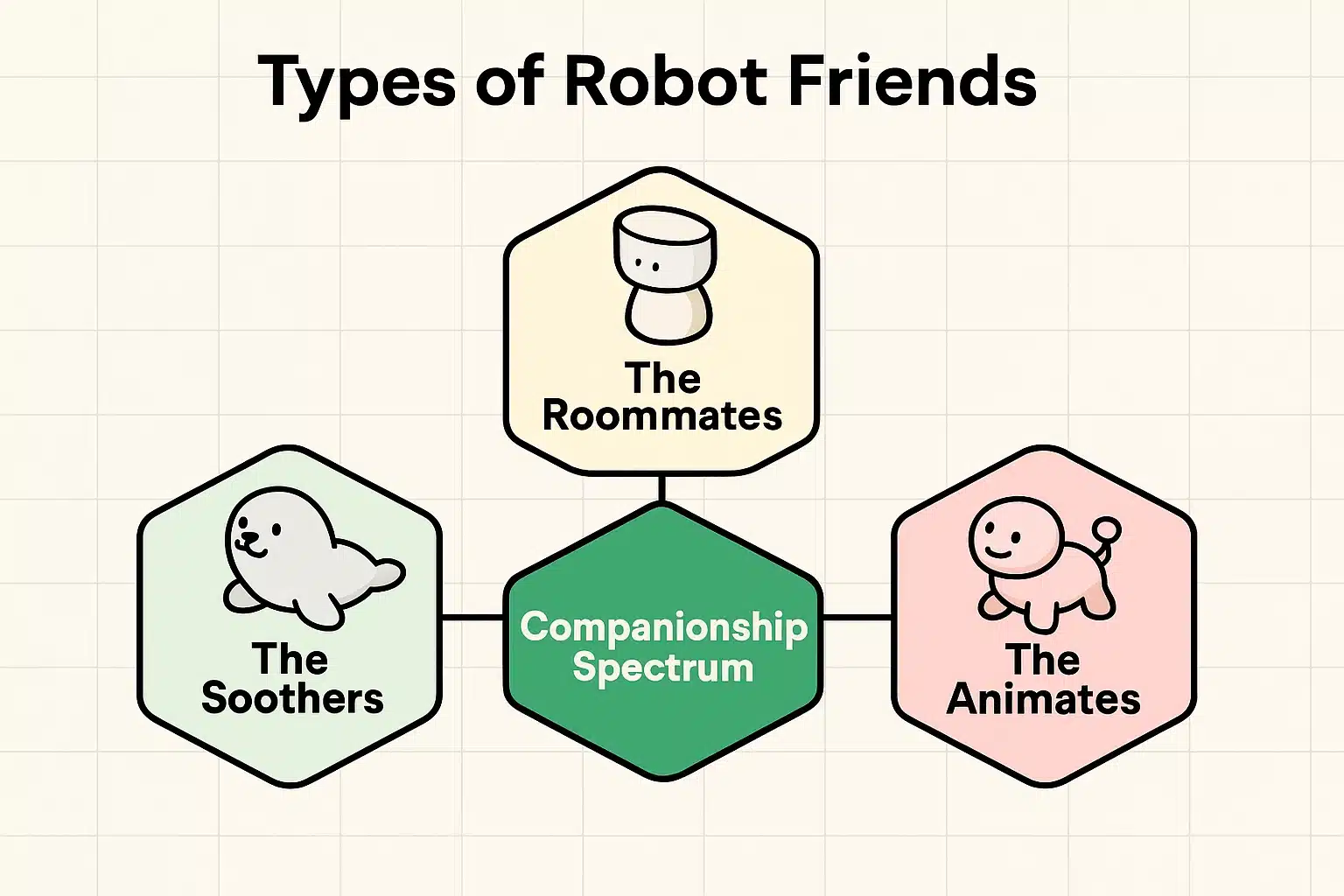
These robots are built entirely for sensory comfort. The most famous is PARO, which looks exactly like a fluffy baby harp seal. Why a seal and not a dog? Because if a robot dog doesn’t act exactly like a real dog, it creeps us out.
Since most of us don’t know how a baby seal actually acts, we accept the robot perfectly. PARO responds to petting, blinks its big eyes, and makes soft noises. Clinical studies show that holding it actually lowers heart rates and reduces anxiety, particularly for those in memory care.
These are your proactive talkers, like ElliQ. They don’t look like animals or humans; they look more like a friendly, glowing lamp. This “biophilic design” is completely intentional. By looking like an appliance, they avoid the “Uncanny Valley”—that creepy feeling we get when something looks almost human but isn’t quite right.
The “Roommate” robot learns your routines, strikes up conversations, and tells terrible dad jokes. It can also act as a very polite medication reminder, making sure you stay on track without nagging you like a worried relative.
These focus on the powerful human nurturing instinct. Think of the Joy for All robotic cats and dogs. They have synthetic fur, they purr when you brush them, and they can even roll over.
For many seniors, the hardest part of aging or downsizing is losing the ability to care for a real pet. These animates allow you to experience the joy of nurturing a companion without the worry of buying kibble, paying vet bills, or accidentally tripping over the litter box.
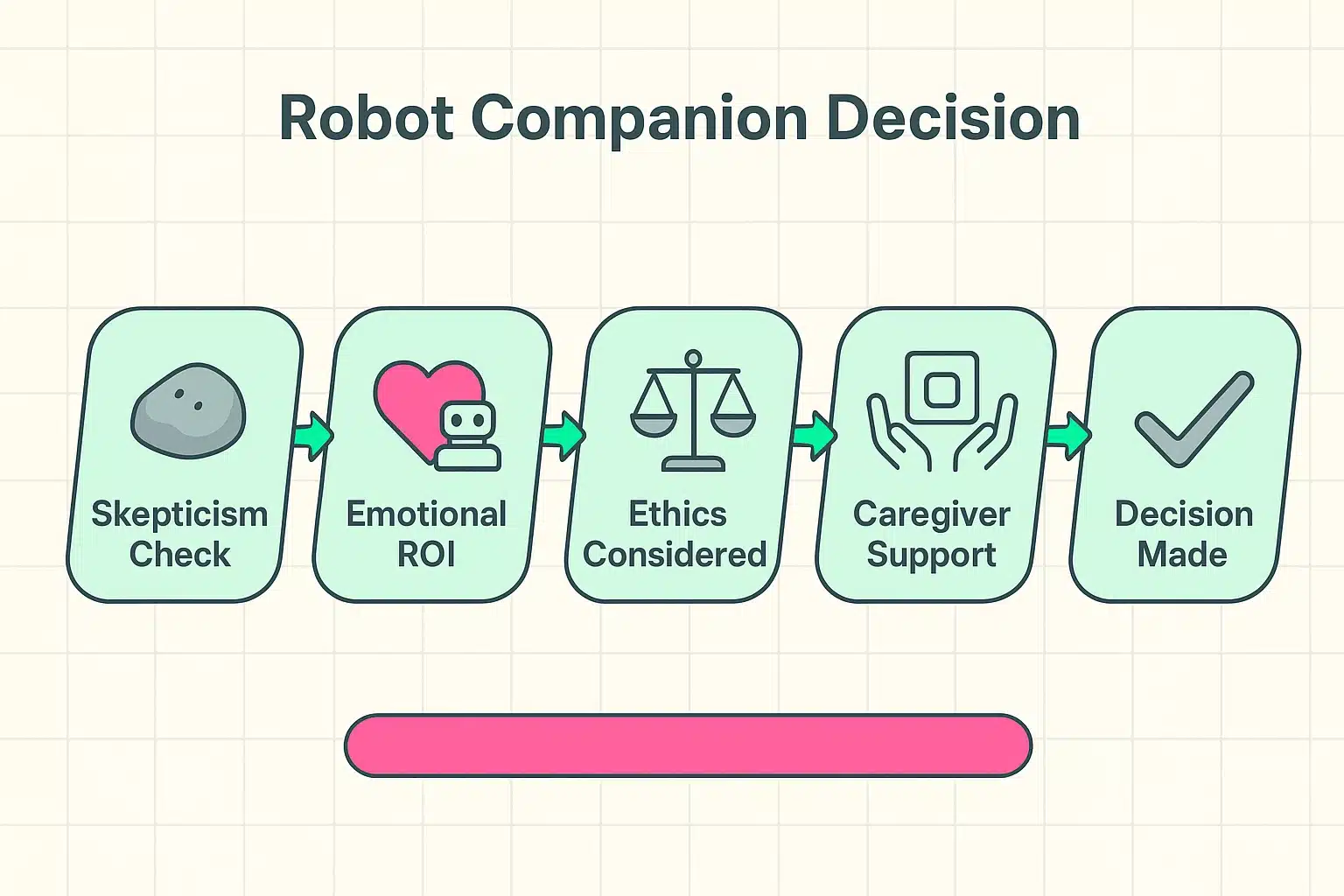
Now, it wouldn’t be Senior Tech Cafe if we didn’t put on our skeptic hats for a moment. Is it really ethical to give someone—especially someone experiencing cognitive decline—a robot to talk to? This is the great “Deception Debate.”
Some folks argue that treating a robot like a real creature is a form of trickery. Are we fobbing off our elders onto machines instead of spending real time with them? It’s a very valid fear. But researchers (and exhausted caregivers) counter that if a robotic cat brings genuine joy and comfort to someone with dementia, the emotional truth of that happiness outweighs the technical fiction of the robot.
Then there’s the privacy issue. If a robot is “learning” about you to be a better companion, it is actively collecting your data. Before welcoming a chatty piece of plastic into your home, you have to ask: who owns the transcripts of these conversations? A good companion robot should have crystal-clear privacy settings and operate without selling your personal stories to advertisers.
If you’re considering a robot for yourself or a loved one, how do you know if it will be a beloved friend or just gather dust next to the treadmill you also swore you’d use? It comes down to introducing it properly.
First, avoid infantilizing the user. Don’t hand a 75-year-old former bank manager a robot dog and use a baby voice. Introduce it as a fascinating new piece of technology. Say, “I saw this crazy AI device on the news and wanted to see if it actually works.” Let them be the judge.
Second, look at the caregiver benefits. Often, a companion robot is just as much for the family as it is for the senior. If a conversational robot can handle the tenth time someone asks what day it is with infinite, unshakeable patience, it reduces caregiver burnout. That alone makes it worth its weight in microchips.
Absolutely not. A robot can’t hold your hand, share a real cup of coffee, or gossip about the neighbors with genuine enthusiasm. They are a supplement to human interaction, like a vitamin, not a substitute for the whole meal.
The good ones aren’t. Companies know their target audience didn’t grow up writing computer code. The best companion robots essentially require you to plug them into the wall and connect to Wi-Fi. If it requires a PhD to turn on, you should send it back.
Always read the fine print or ask the company directly. Look for robots that process voice commands “locally” (meaning on the device itself) rather than sending everything to the cloud. If the company isn’t transparent about privacy, that’s a massive red flag.
So, can a robot really be your friend? In the traditional sense, probably not. It won’t pick you up from the airport or help you move a heavy sofa. But can it make a quiet house feel a little less empty? Yes, it absolutely can.
Technology has spent the last two decades making us arguably more isolated, trapping us behind phone screens and keyboards. It’s somewhat poetic that technology is now trying to solve the very loneliness it helped create. A companion robot might just be a fancy pet rock, but if that rock makes you smile, reminds you to drink water, and asks about your day? Well, that’s not a bad rock to have around.