
Newsletter Subscribe
Enter your email address below and subscribe to our newsletter

By Chris Clark, founder of Senior Tech Cafe
Algorithmic bias is what happens when a computer system that makes choices about people, from which ads you see to whose job application gets read, treats some groups unfairly because of skewed data or lazy assumptions built into it. For older adults, the most common version is being sorted by age instead of by interests.
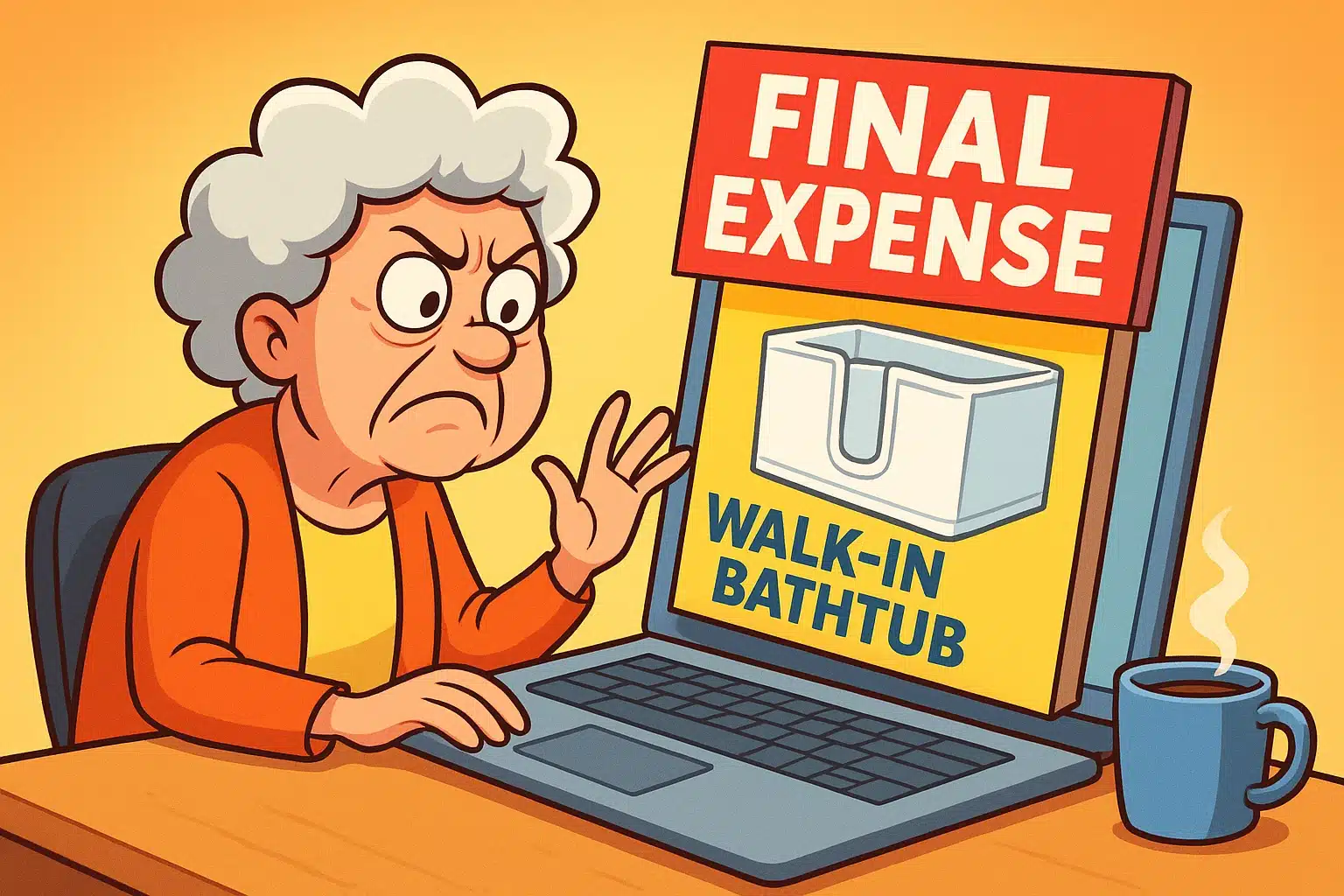
Have you ever hopped online to buy a simple pair of hiking boots, only to watch your screen fill up with ads for walk-in bathtubs, “final expense” insurance, and medications with side effects scarier than whatever they’re supposed to treat?
You didn’t type “I feel ancient today” into Google. You wanted boots. But the internet took one look at you and decided your only remaining hobbies are soaking in specialized tubs and contemplating the void.
Your computer isn’t broken. You’ve just walked into an invisible wall, and that wall has a name: algorithmic bias.
Think of an algorithm as a fast, over-caffeinated digital butler. Its whole job is to guess what you want before you ask. But for older adults, this butler is often working from a terrible set of instructions, and the result is an internet that feels like it was built for somebody else.
AI learns to “think” by reading staggering amounts of text from the internet. And the internet, bless its heart, is not always a kind place. Over the years, these systems have soaked up plenty of lazy, negative assumptions about aging.
So when a system runs into words it associates with older adults, it can shift its behavior. It might surface fewer interesting job listings, explain things to you like you’re five, or bury the travel articles under a pile of medical news. Nobody programmed it to be condescending. It just learned condescension by reading ours.
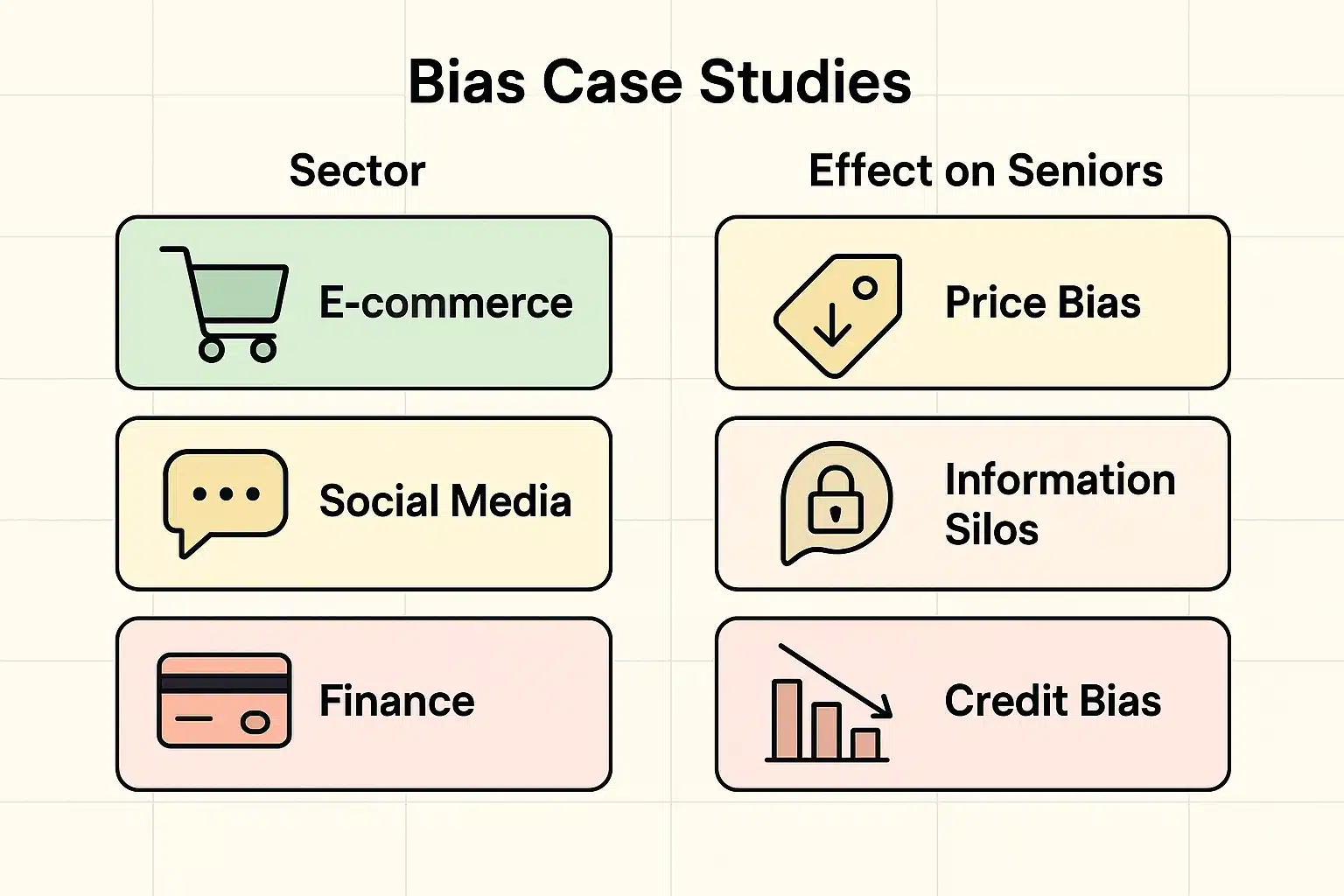
The best-known AI bias examples aren’t about annoying ads. They’re about jobs and money, where an automated “no” costs you something real. Three cases show how it happens:
The pattern is the same each time. The system copies whatever bias sits in its instructions or its history, then repeats it at a speed no human hiring manager could match.
These biases do more than serve up annoying ads. They reshape your whole internet, sitting between you and the good stuff. Here’s where the walls tend to pop up.
A filter bubble is the narrow slice of the internet you end up seeing when a feed only shows you more of what it thinks you already like. Social media platforms want you clicking, full stop. If the algorithm decides seniors only care about health scares, nostalgia and scam warnings, then health scares, nostalgia and scam warnings are what you’ll get.
Do this long enough and your feed becomes a tiny room. The new gadgets, the local events, the travel daydreams slip behind the fence. Your digital world shrinks, one assumption at a time. And a feed that only shows you one kind of story is also where fake news spreads best, because nothing in the room argues with it.
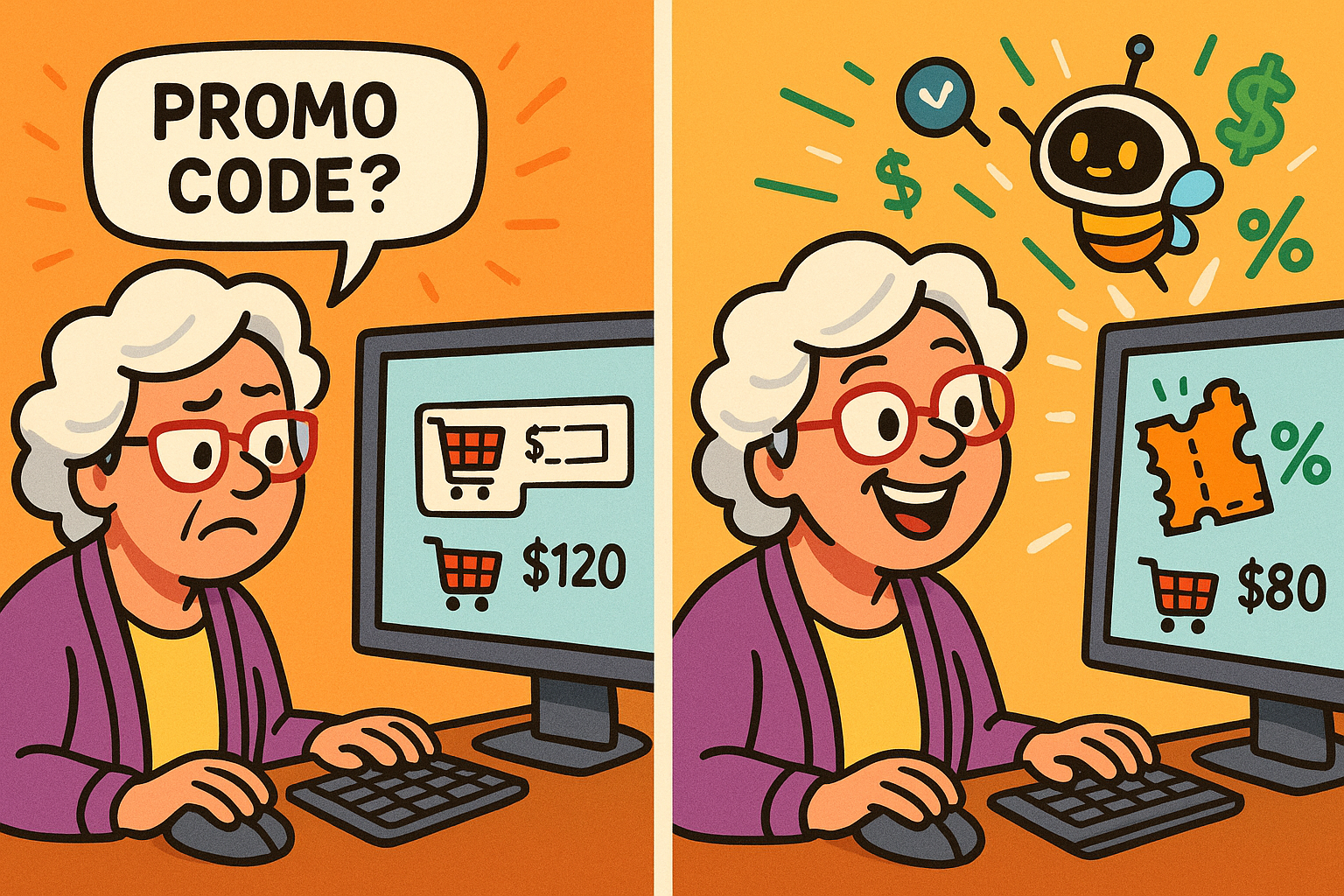
Here’s one worth knowing about. Some companies use “dynamic pricing,” where the cost of something shifts with demand, timing, location or inventory. That part isn’t aimed at you personally. Everybody shopping at that moment sees it.
“Personalized pricing” is different: a company uses your personal data to estimate how much you’d be willing to pay. Regulators are starting to poke at this. New York now requires businesses that use your personal data to set a price to tell you so, and a federal judge upheld that law in 2025.
Everywhere else, it’s usually impossible to know why you’re seeing a particular price, which is the real problem. So before you buy something big, compare the price in a second browser, on another device, or straight from the retailer’s own website.
The walls get more serious in places like credit, insurance, housing and hiring, where automated systems increasingly help make the call. If the data or the assumptions behind those systems are flawed, they can spit out unfair results, and unlike a bad ad, a bad loan decision actually costs you.
That’s why these areas draw the most legal scrutiny. If you’re turned down for credit, the lender has to give you the specific reasons, or tell you how to ask for them. If an automated “no” on a loan or a job ever feels off, ask for the reason in writing.
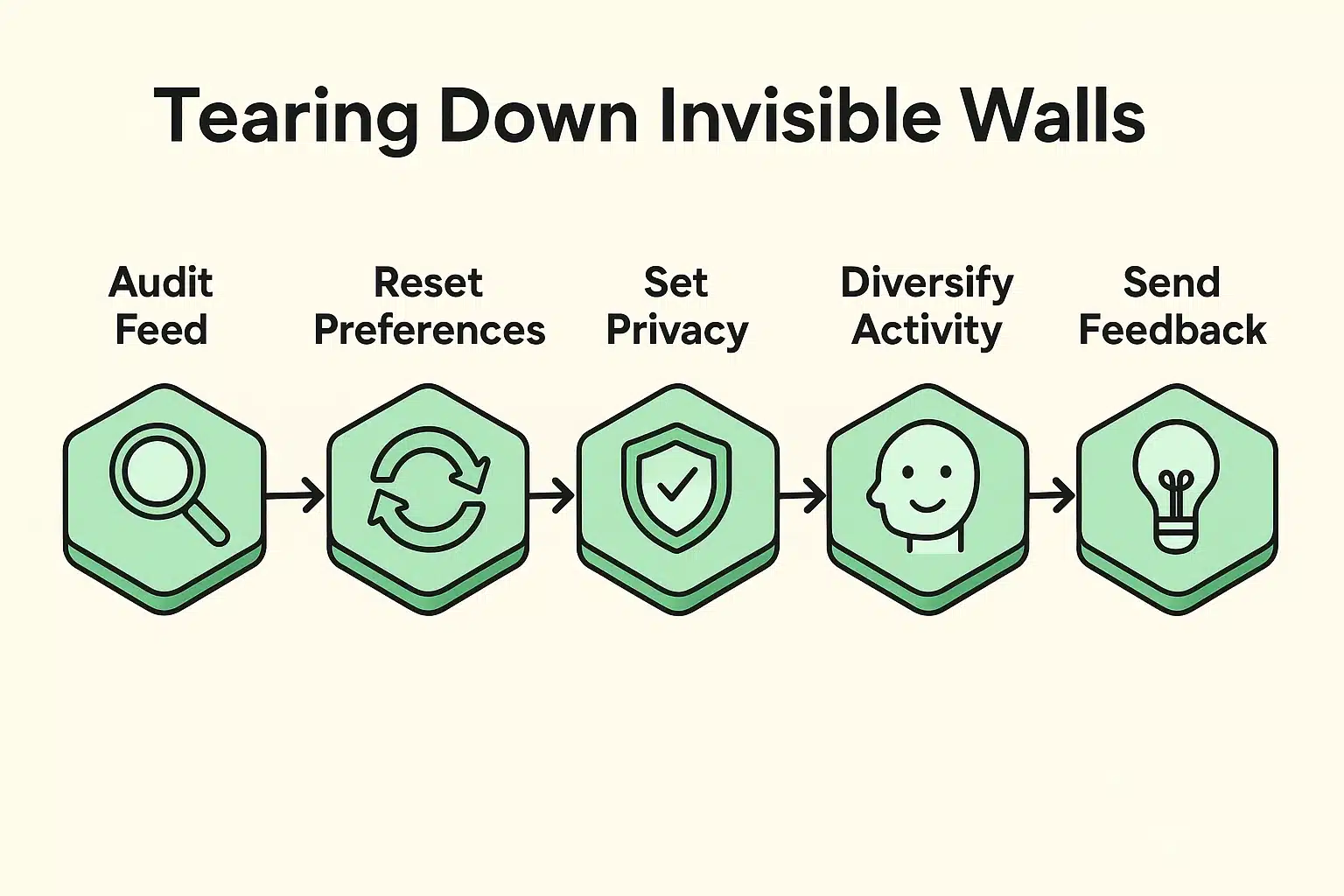
Now the good news: you’re not stuck. Algorithms are stubborn, but they’re also easily retrained. These habits do the most, roughly in order:
You don’t have to turn your browsing history into a teenager’s midlife crisis to get treated like an individual. A few small habits will do it.
The rulebook is still being written, and slowly. In 2022 the White House published a “Blueprint for an AI Bill of Rights” that named unfair automated decisions, age included, as a real concern. It was guidance, not law, and it was taken down from the White House website in January 2025.
What’s left is the older laws that never went away. Age discrimination in hiring (for anyone 40 or older) and in credit is still illegal when a computer makes the call, plus a patchwork of state rules like New York’s pricing law. Until the official rulebook catches up, your own awareness is the best tool you’ve got.
The internet belongs to you just as much as it belongs to the teenagers of Silicon Valley. You now know the walls are there, and a wall you can see is a wall you can walk around. For more plain-English guides to making the internet behave, start with our online safety guide for seniors. No jargon, no lectures, no bathtub ads.
An algorithm is a set of rules a computer follows to solve a problem or make a choice. Online, the important ones study what you click, watch and buy to guess what you’ll want next, then decide what to show you. They’re confident. They’re fast. And they’re frequently wrong, especially when they lean on your age.
Because many advertisers aim at broad age brackets and assume every older adult wants the same handful of products. Once you’re in that bracket, your actual hobbies barely get a vote. Telling the platform you’re not interested, following things you do care about, and turning off ad personalization all help break the pattern.
A filter bubble is the narrow slice of the internet you end up seeing when a feed only shows you more of what it thinks you already like. Each click teaches it to show you more of the same, and everything else slips out of view. Following a wider range of topics and sources helps pop it.
Sometimes. If an automated system turns you down for a job because you’re 40 or older, or for credit because of your age, existing federal laws against age discrimination still apply, even though a computer made the call. Federal fair-housing law doesn’t list age, though some states do. Stereotyped ads on social media are legal, just annoying.






I found this article very informative.