Newsletter Subscribe
Enter your email address below and subscribe to our newsletter

Picture this: You’ve just unwrapped a brand-new smart device. Maybe it’s a smart plug so you don’t have to reach behind the sofa to turn on a lamp, or a voice assistant your kids gave you to make life easier. You plug it in, download the app, and suddenly, you’re confronted with a “Terms of Service” agreement longer than War and Peace.
Unless you happen to have a team of corporate lawyers hiding in your broom closet, you probably just scroll to the bottom, sigh heavily, and tap “I Agree.” You just wanted to turn on a lamp with your voice, but suddenly you feel like you might have just signed away your secret chili recipe and the rights to your firstborn child.
If this sounds familiar, don’t worry—you are not alone. This is what researchers call the “Consent Paradox.” Older adults are the fastest-growing group using smart home technology to make daily life easier, yet tech companies make their privacy policies so confusing that you practically need a PhD to understand them. The good news? You don’t actually need a law degree to take back control of your digital front door.
When you invite a plumber into your house, you don’t let them rummage through your filing cabinets or read your mail. Digital consent should work the exact same way. Unfortunately, many smart devices act like nosey houseguests, asking for permission to access information they don’t really need.
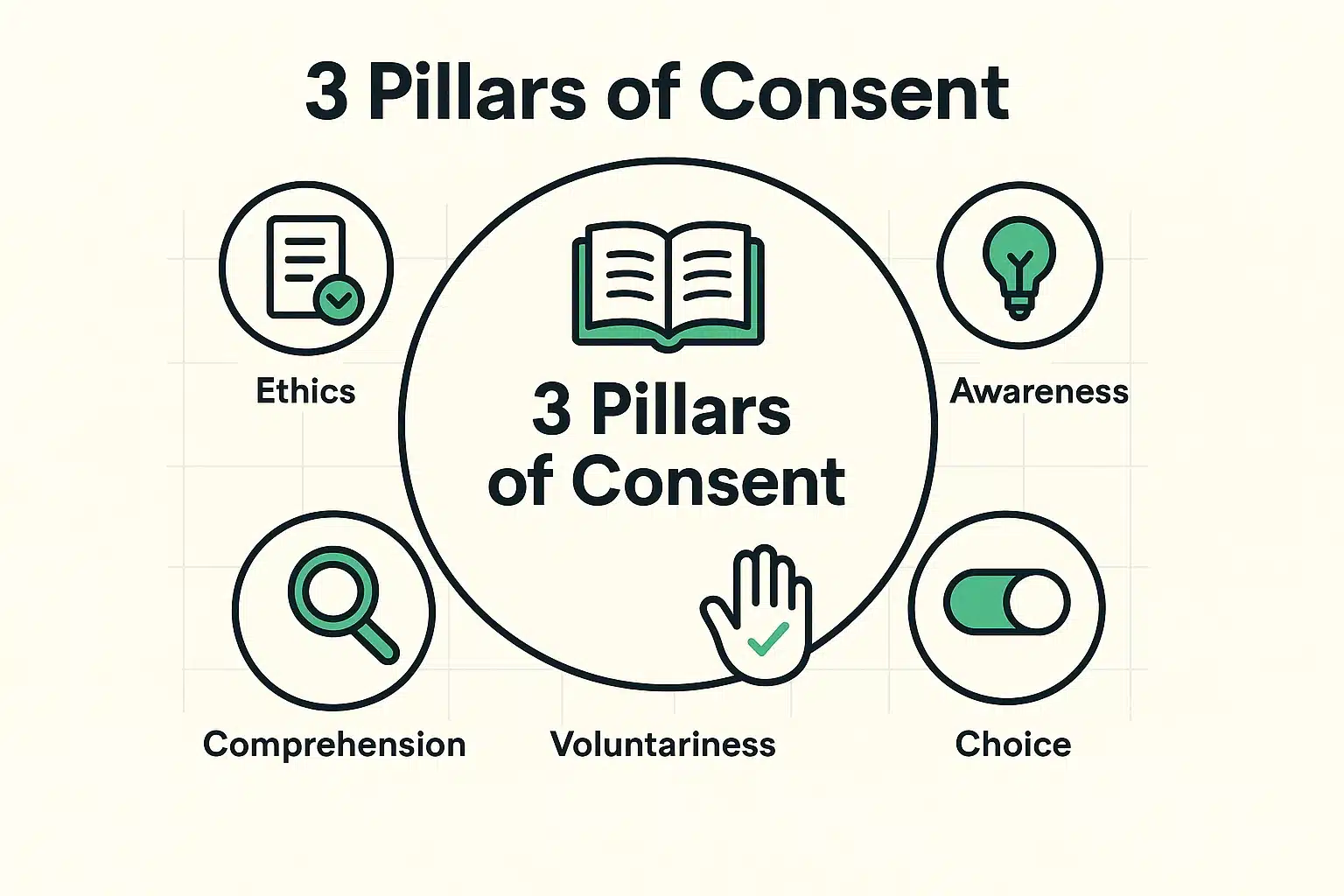
To protect yourself, it helps to understand the three pillars of true consent. First is Information: you need to know exactly what the device is tracking. Second is Comprehension: it needs to be explained in plain English, not legal gibberish. Third, and most importantly, is Voluntariness: you must have the power to say “no” without the device throwing a digital temper tantrum and refusing to work.
Academic experts at institutions like the National Institutes of Health (NIH) note that there is a delicate balance between safety and privacy for seniors. A fall-detection sensor, for instance, needs to monitor your movement to keep you safe. However, that doesn’t mean the company that makes the sensor has the right to sell your daily routine to advertisers.
One of the easiest ways to understand where your data goes is the “Diary vs. Bulletin Board” rule. When a device processes information “locally,” it’s like writing in a personal diary with a lock on it. The information stays inside the actual physical gadget sitting on your kitchen counter.
When a device uses “cloud storage,” it’s like pinning your information to a public bulletin board at the grocery store. The data leaves your home, travels through the internet, and lives on a giant computer owned by a massive tech company.
Whenever you get a new device, look for options that allow “local processing.” By keeping your data in the diary rather than on the bulletin board, you maintain ultimate control over who sees your business.
Tech companies love to present data collection as a “fee” you have to pay to use their product. But really, it’s a value exchange. You are trading a piece of your privacy for a piece of convenience.
For example, a smart thermostat might ask for your smartphone’s location. The company isn’t trying to track your movements to solve crimes; they just want to know when you’ve left the house so they can turn down the heat and save you money. If that trade-off sounds like a good deal to you, go ahead and share it!
But what if a smart lightbulb asks for access to your smartphone contacts? Unless that lightbulb is planning to call your sister and wish her a happy birthday, it has zero business looking at your phone book. This is where you practice “layered consent”—saying yes to the essential stuff (like connecting to your Wi-Fi) and a hard no to the optional snooping.
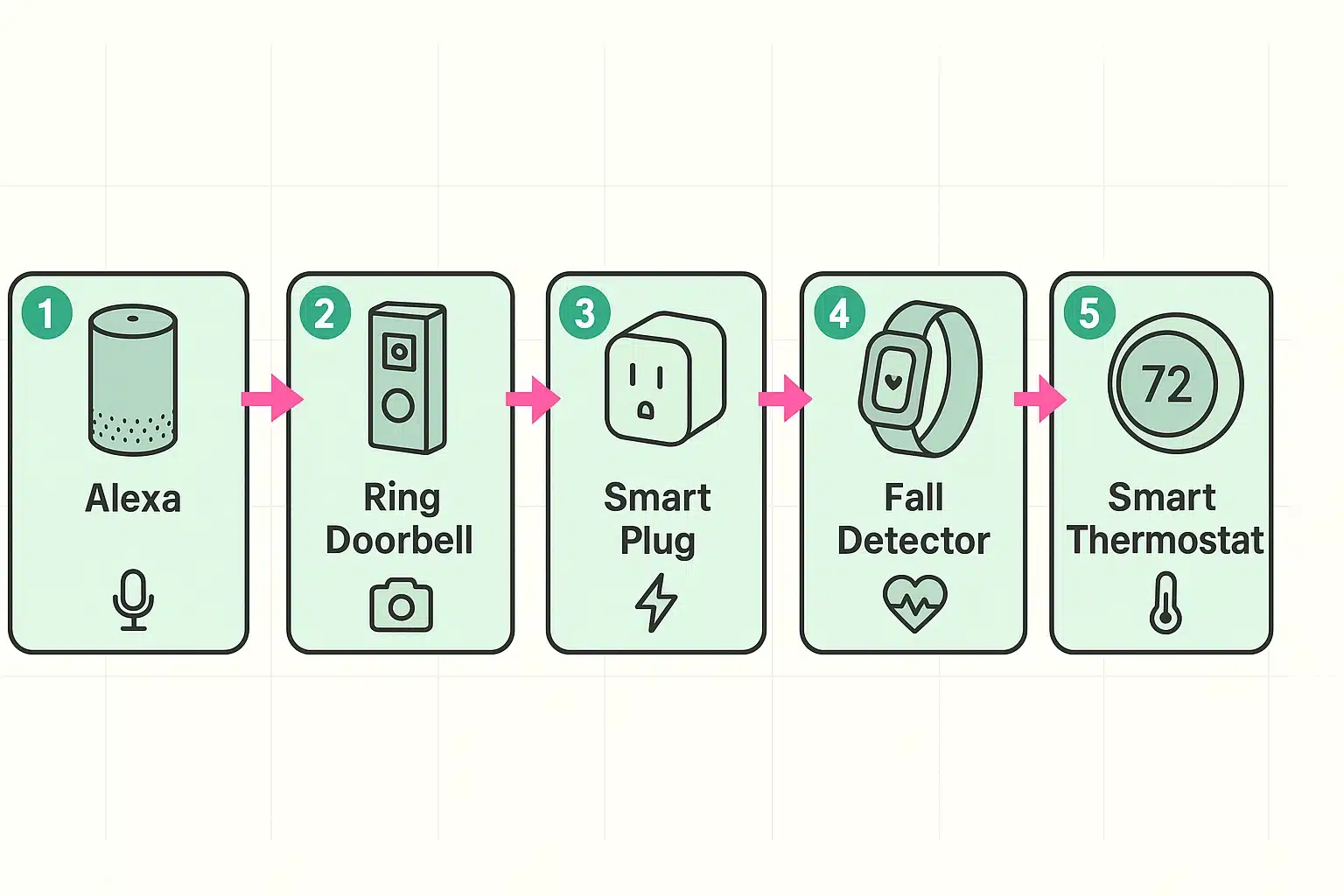
Taking control of your devices is easier than you think. You can run a quick “permission audit” on your smartphone or tablet right now. Simply go to your device’s “Settings” menu, find the “Privacy” or “Permissions” section, and take a look at which apps are using your microphone, camera, and location.
If you find a weather app that has access to your microphone, turn it off. The weather app doesn’t need to hear you complain about the rain to know it’s raining outside. If you are setting up a smart speaker, you might want to look into alexa for seniors to see exactly which features are genuinely helpful and which ones you can safely ignore or disable.
Here is a quick red-flag checklist to keep in mind when setting up a new gadget:
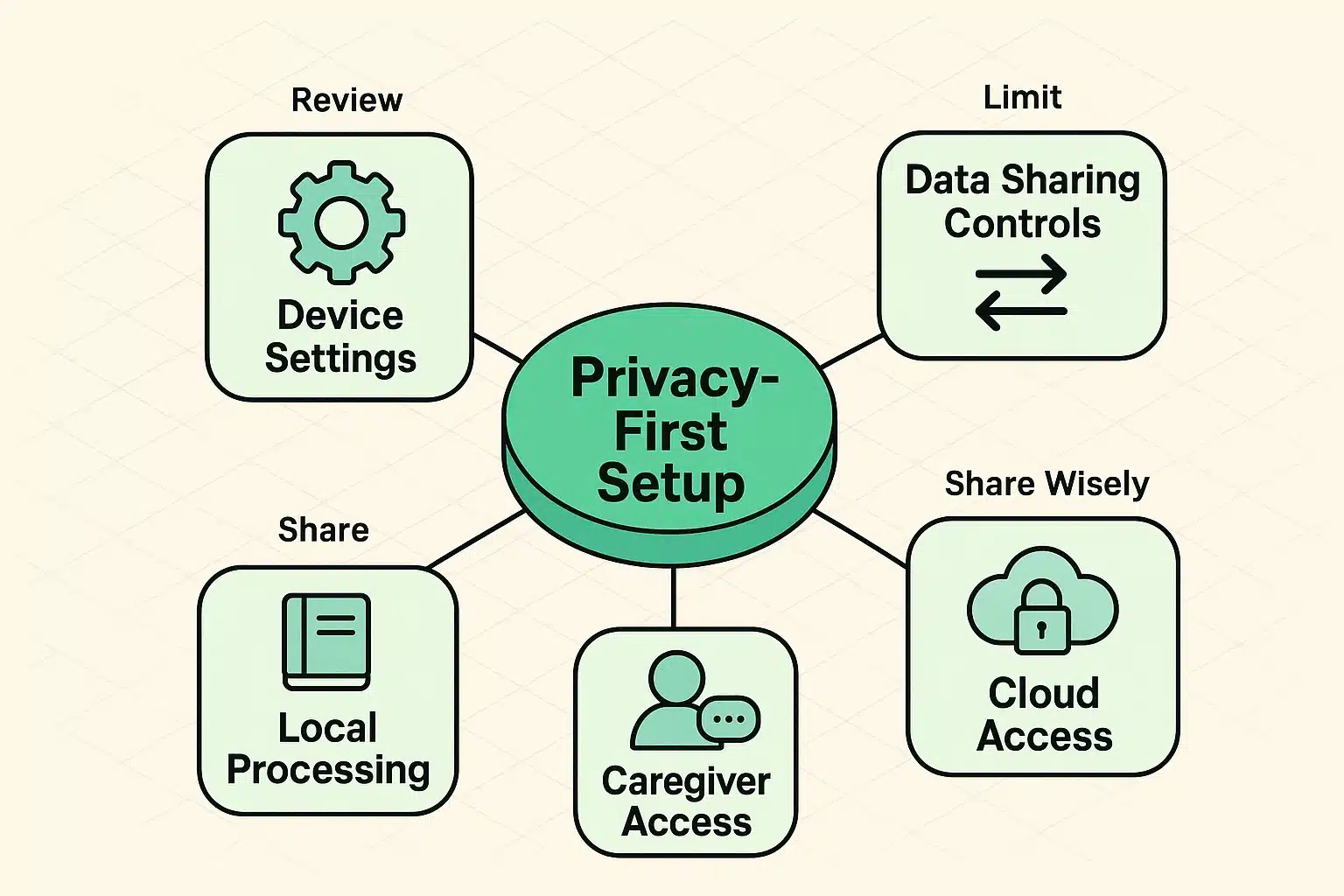
A lot of tech advice out there talks to caregivers about seniors, acting as if older adults need to be wrapped in digital bubble wrap. But we believe in digital autonomy. You are the boss of your home, and that includes the digital gadgets inside of it.
Next time your tech-savvy kids bring over a new device they swear will “change your life,” use it as a discussion guide. Ask them, “Before we plug this in, how do we turn off the microphone?” or “How do we make sure this camera only turns on when I want it to?”
By treating digital consent as a conversation rather than a chore, you transform tech from something that is “done to you” into a tool that works for you. You get all the perks of a modern, convenient home without feeling like you’re living in a science fiction movie.
Devices like Alexa or Google Home are designed to listen only for their “wake word” (like “Hey Siri” or “Alexa”). They are not supposed to record your everyday conversations. However, to be extra safe, you can usually press a physical “mute” button on the device to turn the microphone off completely when you want total privacy.
It depends on the device, but unfortunately, most major brands require a basic cloud account to function. However, you can use a “burner” email address (a free email you create just for junk mail and gadgets) to set up your smart home, keeping your real, personal email inbox free from spam and data-tracking.
Absolutely! Digital consent is not a lifelong marriage vow. You can open the app for any smart home device, navigate to the privacy or account settings, and revoke permissions or delete your voice recording history at any time.
Some apps use “dark patterns”—tricky designs that try to bully you into sharing data. If an app insists on your location, try selecting “Only while using the app” instead of “Always allow.” If a device demands unnecessary data and refuses to work without it, it might be a sign to return the product and find a brand that respects your privacy.
Technology is meant to make our lives easier, not fill our days with anxiety about who is looking at our data. The next time a screen flashes a novel-length Terms of Service at you, remember that you hold the power.
You don’t have to agree to everything just to get a lamp to turn on. Take a deep breath, review your permissions, and proudly deny access to anything that feels unnecessary. After all, it’s your home, your data, and your rules!