Newsletter Subscribe
Enter your email address below and subscribe to our newsletter

Have you ever clicked a link, typed in some information, and immediately felt your stomach drop to the basement? It’s that exact same feeling you get when you confidently wave at someone across the street, only to realize they were waving to the person standing directly behind you. Except, instead of just a bruised ego, you suddenly realize the “nice young man from customer service” might actually be a professional scammer operating out of a boiler room five time zones away.
If your heart is currently pounding like a washing machine on the spin cycle because you just handed over your banking details to a stranger, I need you to do one thing: take a deep breath. You are not alone, you are not foolish, and most importantly, it might not be too late.
Let’s get one thing straight right off the bat: you didn’t simply get “fooled.” You were targeted by a highly organized, multi-billion-dollar industry built on “Professional Deception.” These folks are better at acting than half of Hollywood, and they use high-pressure tactics designed to make you panic. So, let’s stop the panic, put down the coffee, and start acting.
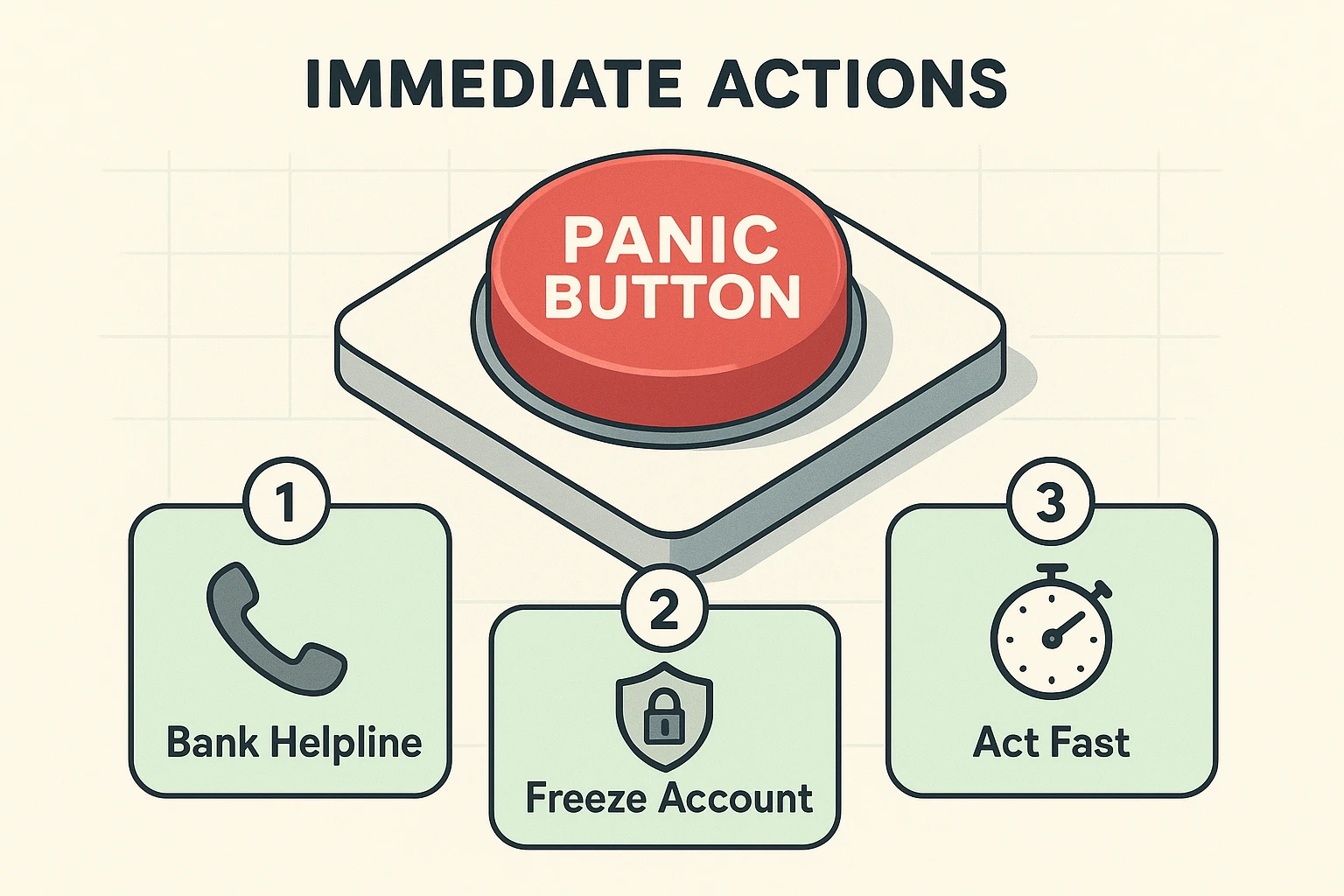
When a squirrel gets into your house, you don’t sit down and research squirrel psychology; you open the door and grab a broom. The same logic applies here. If you suspect you’ve been scammed, speed is your best friend.
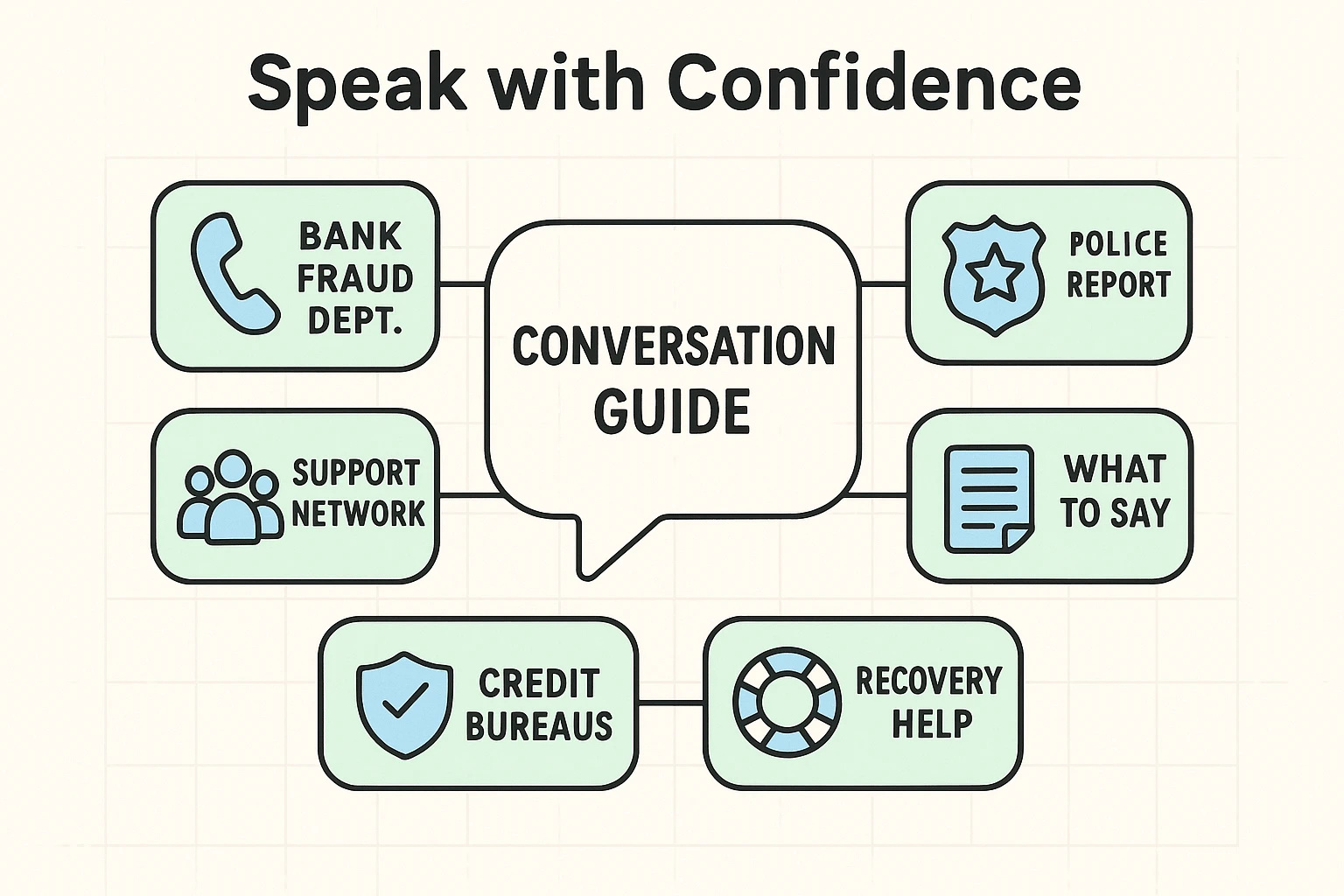
1. Call Your Bank’s Fraud Department (But Use the Right Number)
Do not call the number the scammer emailed or texted you. That’s like asking the fox to check on the henhouse. Flip your debit or credit card over and dial the toll-free number printed right on the back. Tell the automated voice system “Fraud” so you bypass the robot and get a real human.
2. Freeze the Account
Many modern banking apps have a “Freeze Card” or “Lock Account” button right on the home screen. If you have an app and know how to use it, tap that button now. It temporarily stops money from going in or out, buying you precious time.
3. Disconnect from the Internet
If the scammer convinced you to download a program so they could “fix” your computer remotely, unplug your computer from the wall or turn off your Wi-Fi router. If they can’t connect to the internet, they can’t snoop through your digital file cabinets.
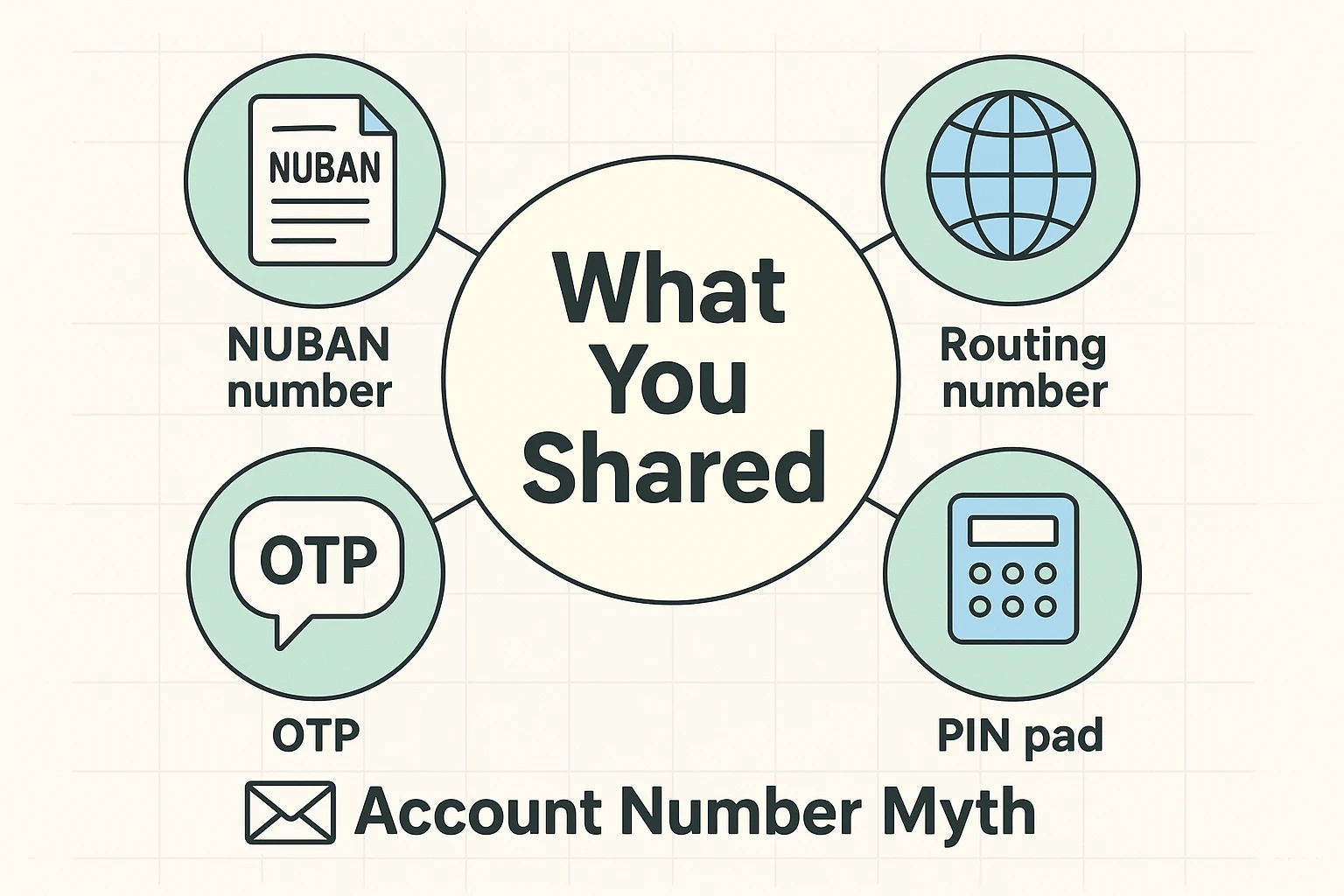
Once the immediate lockdown is handled, we need to assess the damage. Many seniors think that handing over a bank account number means instant financial ruin. Thankfully, banking doesn’t quite work that way.
Think of your bank account number (or a routing number) as your home’s mailing address. If a criminal knows you live at 123 Main Street, they know where the house is, but they can’t just walk inside. To get inside and steal the good silverware, they need the “house key.” In the digital world, your PIN, password, or a One-Time Password (OTP) texted to your phone is that key.
One of the biggest reasons seniors delay reporting a scam is the fear of sounding foolish. You might be imagining a bank teller rolling their eyes and confiscating your smartphone. I promise you, fraud departments handle thousands of these calls daily. They’ve heard it all, and they are there to help, not judge.
When you call, you don’t need to over-explain. Use this exact script: “Hello, my name is [Your Name]. I believe I have been the victim of professional fraud, and I may have compromised my account details. I need to secure my account and stop any unauthorized transactions immediately.”
If you bank with specific global institutions, the steps can vary. For example:
Once the immediate threat is frozen, it’s time to patch the holes in your digital ship.
First, change your passwords. And while you’re at it, update your password recovery question. If your secret question is “What is your mother’s maiden name?” and you frequently post about your family on Facebook, a scammer can guess it faster than you can say “identity theft.”
Second, beware of the “Recovery Scam.” This is a cruel second wave where a different scammer contacts you, claiming to be from the FBI, your bank, or a “hacker group,” promising to get your stolen money back for an upfront fee. It’s the same criminals wearing a different digital mustache. Hang up.
Moving forward, whenever you get an email or text demanding immediate payment or account verification, take a moment to check their website for signs of legitimacy. If you want an extra layer of peace of mind, you can also look into automated tools like a bitdefender scam detector to help flag suspicious links before you ever click them.
Generally, no. Your account number is like your home address. To move money out of your account, a scammer typically needs your PIN, online banking password, or your physical debit card. However, it’s still best to alert your bank so they can monitor for unusual activity.
It depends entirely on how the money was moved. If it was an unauthorized credit card charge, you have excellent fraud protection. If you voluntarily authorized a wire transfer or bought gift cards, it is significantly harder to recover those funds. Your bank’s fraud department will be able to give you the specific outlook for your situation.
Absolutely not. Scammers use “Professional Deception.” They use psychological manipulation, high-pressure scripts, and spoofed phone numbers that make it look like your actual bank is calling. It is a multi-billion dollar criminal enterprise. You aren’t foolish; you were just targeted.
Going through a scam scare is exhausting, but it doesn’t mean you have to toss your laptop into the nearest river and go back to writing checks by candlelight. Technology is here to make your life easier, more connected, and more fun.
The best defense against future scams is simply knowing their playbooks. By taking five minutes a day to read up on common tech traps in plain English, you’ll be able to spot a fake a mile away. Stay curious, stay cautious, and remember that when it comes to unexpected requests for money, the smartest thing you can do is hang up, slow down, and verify.