Newsletter Subscribe
Enter your email address below and subscribe to our newsletter

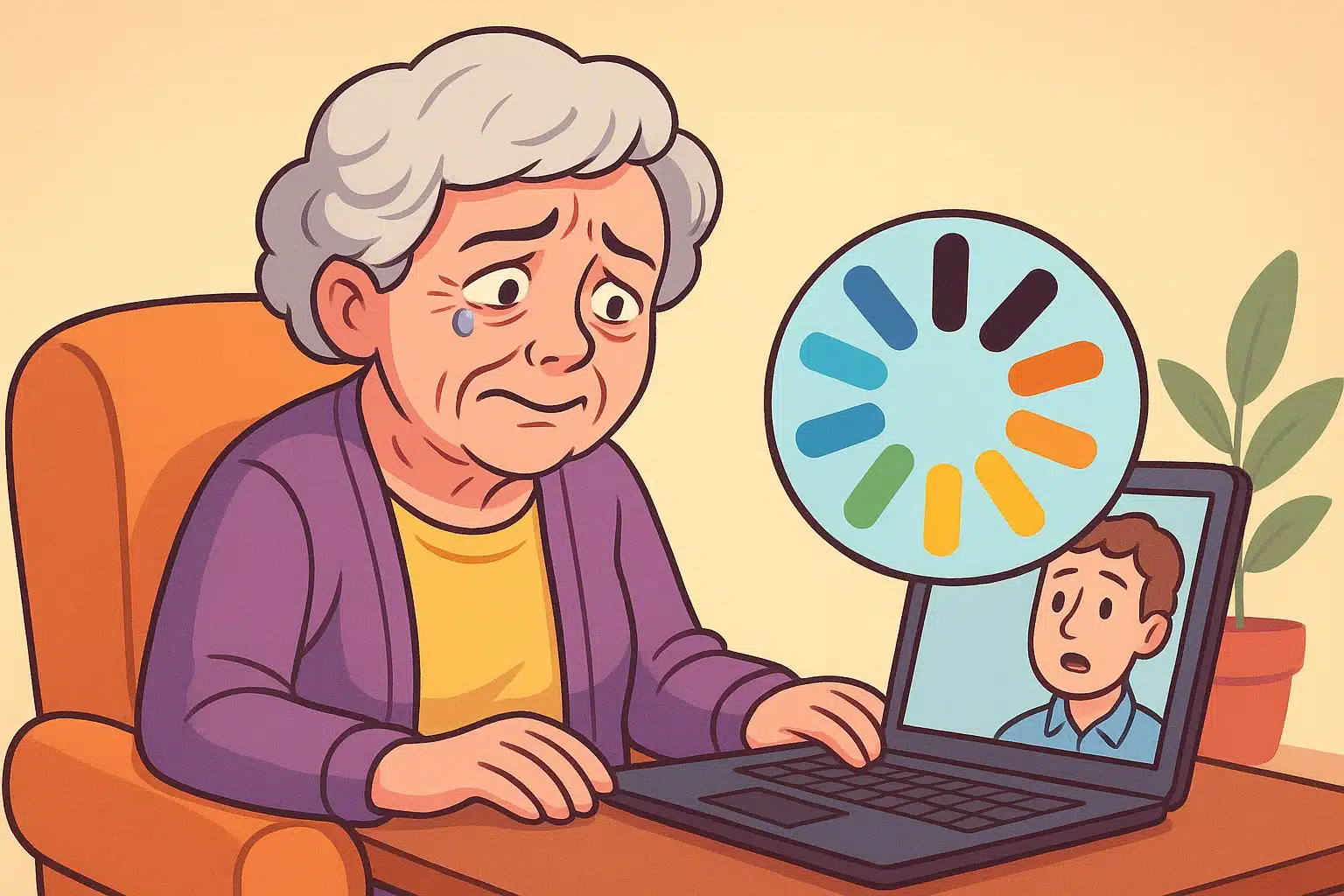
Let’s paint a picture. You’ve finally decided to talk to someone about feeling a bit down. You log into your very first virtual therapy session. You’re ready to pour your heart out, but instead, you spend the first twenty minutes shouting, “Can you hear me now?” to a frozen video feed of a young person who looks like they’re still paying off their high school prom tuxedo. You end up having a profound emotional breakthrough with a buffering circle.
Sound familiar? If it does, you are not alone. Trying to navigate modern technology is stressful enough on a good day. Trying to navigate it when you want to discuss grief, loneliness, or anxiety can feel like trying to defuse a bomb while wearing oven mitts.
For years, therapy was something people just didn’t talk about, like secret family recipes or what really happened at cousin Mildred’s wedding. But mental health isn’t a dirty word, and dealing with life’s hurdles doesn’t come with an expiration date.
The good news? Tele-therapy—talking to a mental health professional over video or phone—is actually a brilliant solution. You get help from the comfort of your favorite armchair. We just need to find you a therapist who understands the specific realities of being 65 or older, and we need to make sure the technology behaves itself.
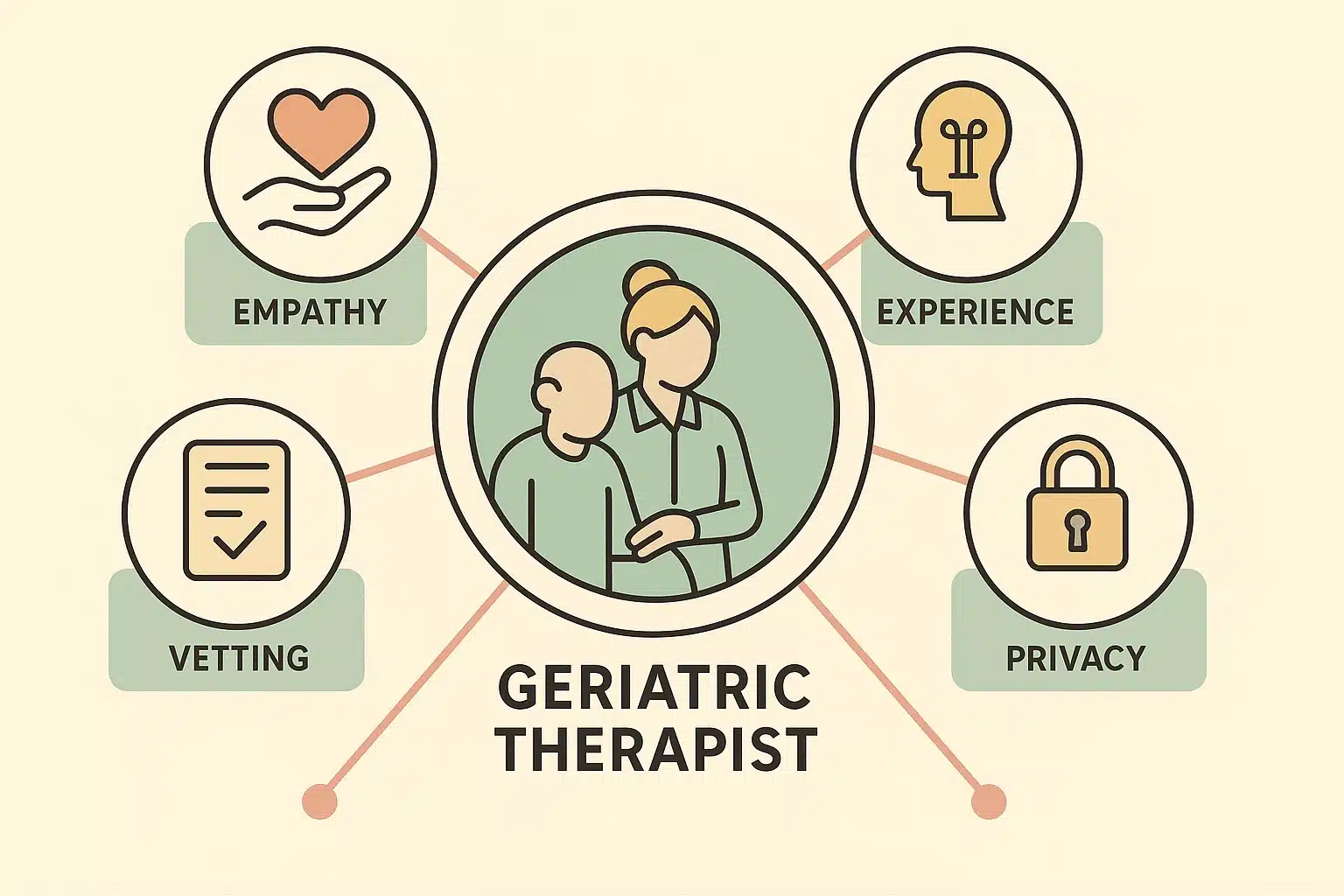
When your knee hurts, you don’t go to a dentist. The same logic applies to mental health. You don’t just want a therapist; you want a therapist who speaks “senior.”
Many older adults assume they need a psychiatrist, which sounds terribly official and intimidating. But here is a little secret: Licensed Clinical Social Workers (LCSWs) are often the unsung heroes of geriatric mental health. They typically have incredible “life-experience” training. They understand that you might be dealing with the loss of friends, chronic pain, or the stress of being a caregiver yourself.
A great geriatric tele-therapist will also use cool techniques like “Reminiscence Therapy.” Because you’re on a computer, they can actually have you share your screen to look at old family photos together. It’s a proven clinical technique that helps you process memories, and it’s much easier than lugging a forty-pound dusty photo album to a sterile medical office.
Plus, virtual therapy gives the professional a literal window into your world. Seeing your living environment actually helps them provide better care. They can see your beloved cat, your cozy setup, or maybe the fact that you’ve been too overwhelmed to tackle the dishes—all of which gives them crucial context without you having to say a single word.
If you’ve ever tried to read a Medicare explanation of benefits, you know it reads like it was translated from ancient Greek by a confused robot. Figuring out if online therapy is covered can induce the very anxiety you’re trying to treat.
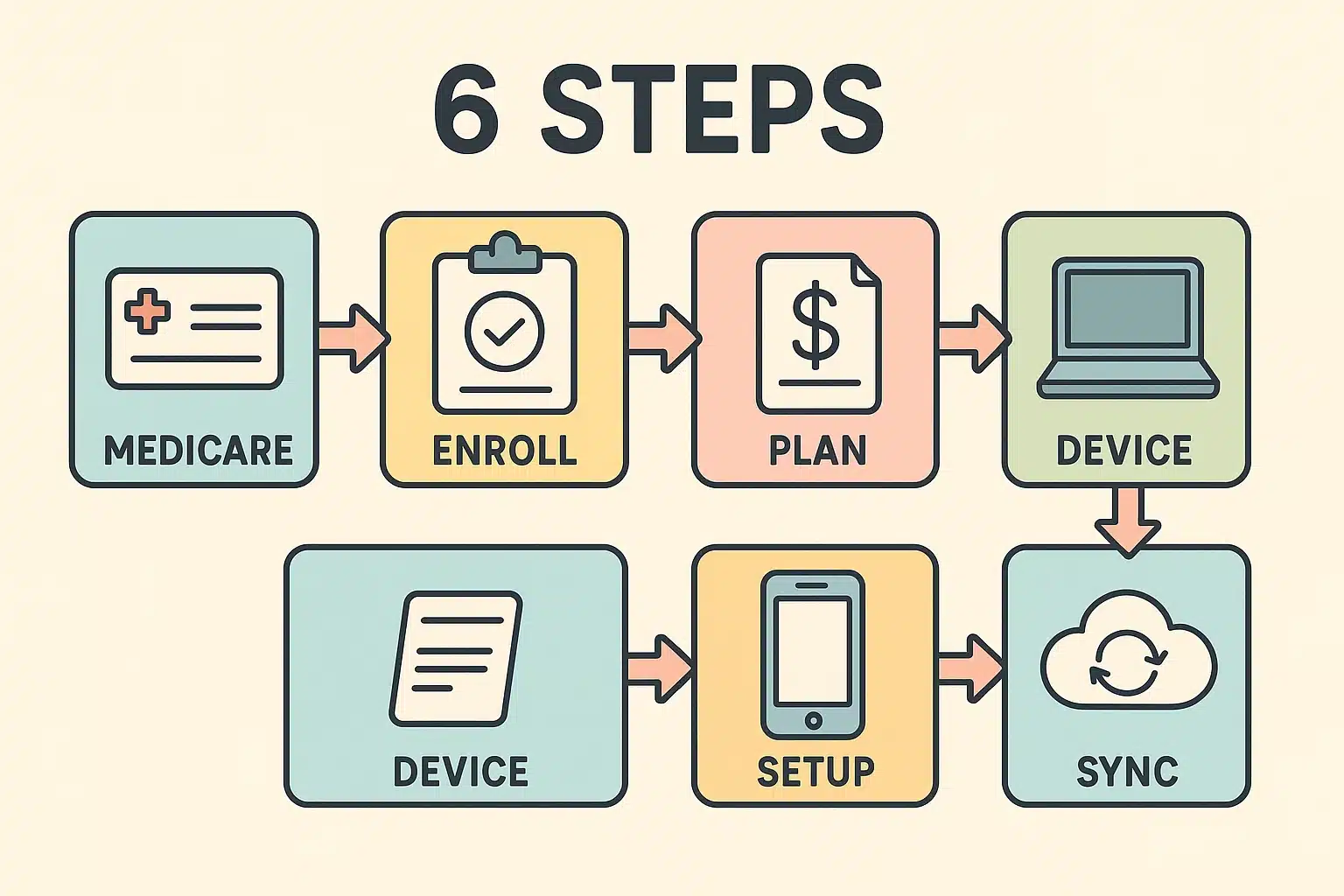
Here is the plain English version: Yes, Medicare covers telehealth for mental health. But exactly how they cover it depends on the alphabet soup of letters in your specific plan.
If you have traditional Medicare (Part B), you’re usually in good shape to see any participating provider, often without a doctor’s referral. But if you have a Medicare Advantage plan (like an HMO), you might have to jump through a few hoops.
Your friend Brenda might brag that her online therapy is fully covered with no paperwork, while your plan demands a referral from your primary doctor first. Brenda isn’t magical; she just has a different plan structure. Always check your specific plan before booking your first session.
You wouldn’t invite a guest over without turning on the lights, and a virtual visit is no different. The goal is to make the technology fade into the background so you can actually focus on talking.
First, let’s talk about lighting. Don’t sit with your back to a bright window. If you do, you’ll look like an anonymous whistleblower in a true-crime documentary. Your therapist needs to see your facial expressions, so put the light source behind your screen, shining nicely toward your face.
Next is the audio. If you wear hearing aids, check to see if they have Bluetooth. Many modern hearing aids can connect directly to your computer, tablet, or smartphone, sending the therapist’s voice right into your ears like a secret agent earpiece. It makes a world of difference for catching every word.
Finally, demand a platform that uses a simple “one-click” link to join. You shouldn’t need a degree in computer science to open the video chat. If a provider’s system requires downloading three apps and solving a riddle from a mythical troll to log in, find another provider.
One of the biggest worries seniors have about tele-therapy is the “Third Ear.” This is the fear that your spouse, your visiting adult children, or your very nosy neighbor might overhear you talking about them.
Privacy is absolutely crucial for therapy to work. If you share a home, you need a “Privacy Shield.” This doesn’t mean you have to build a soundproof bunker in the basement. It’s as simple as using a pair of comfortable headphones so no one else can hear the therapist’s half of the conversation.
To block your own voice from traveling down the hall, place a white noise machine (or just a small, humming desk fan) right outside your closed door. It acts like an acoustic cloaking device for your most sensitive conversations, giving you the freedom to speak your mind.
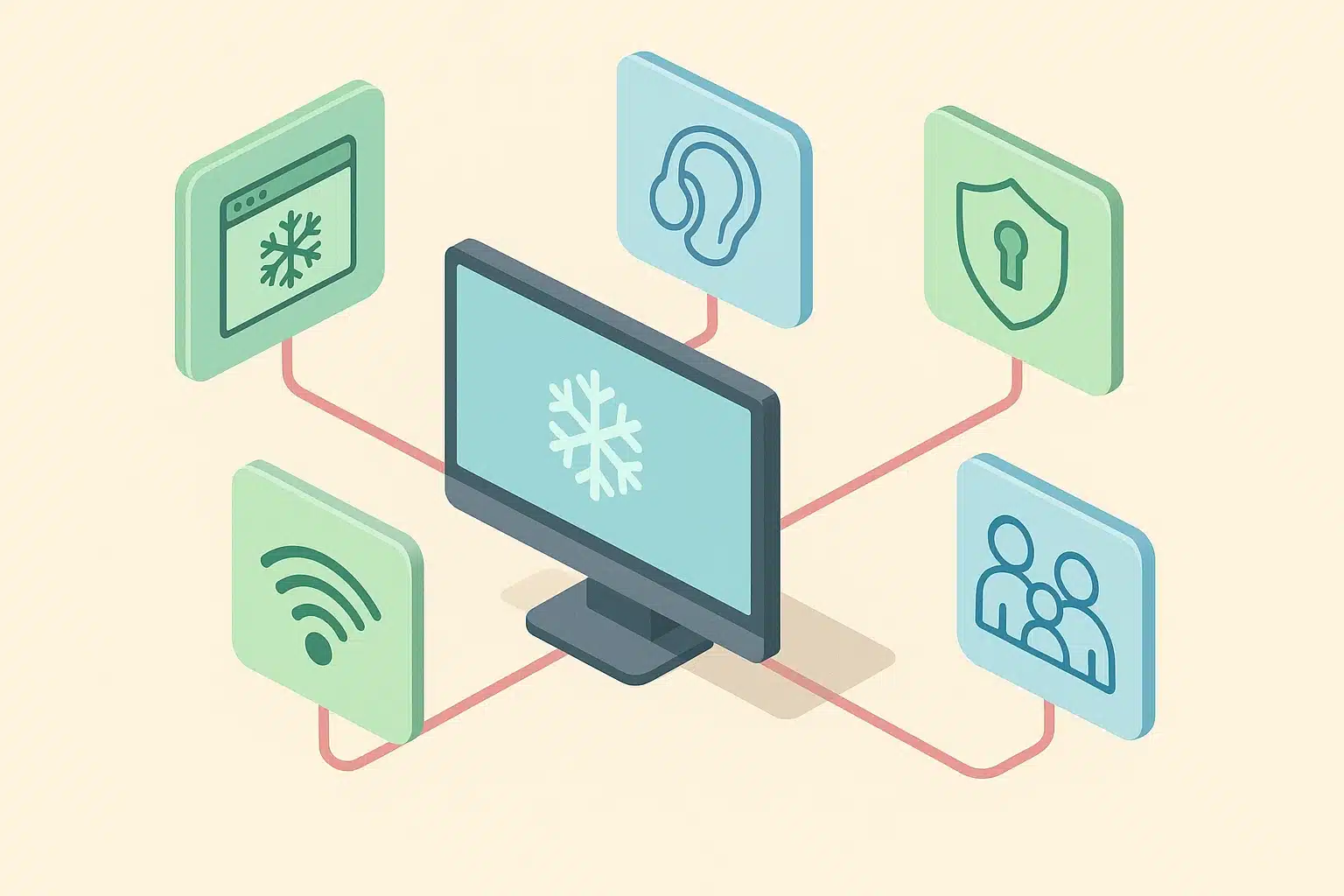
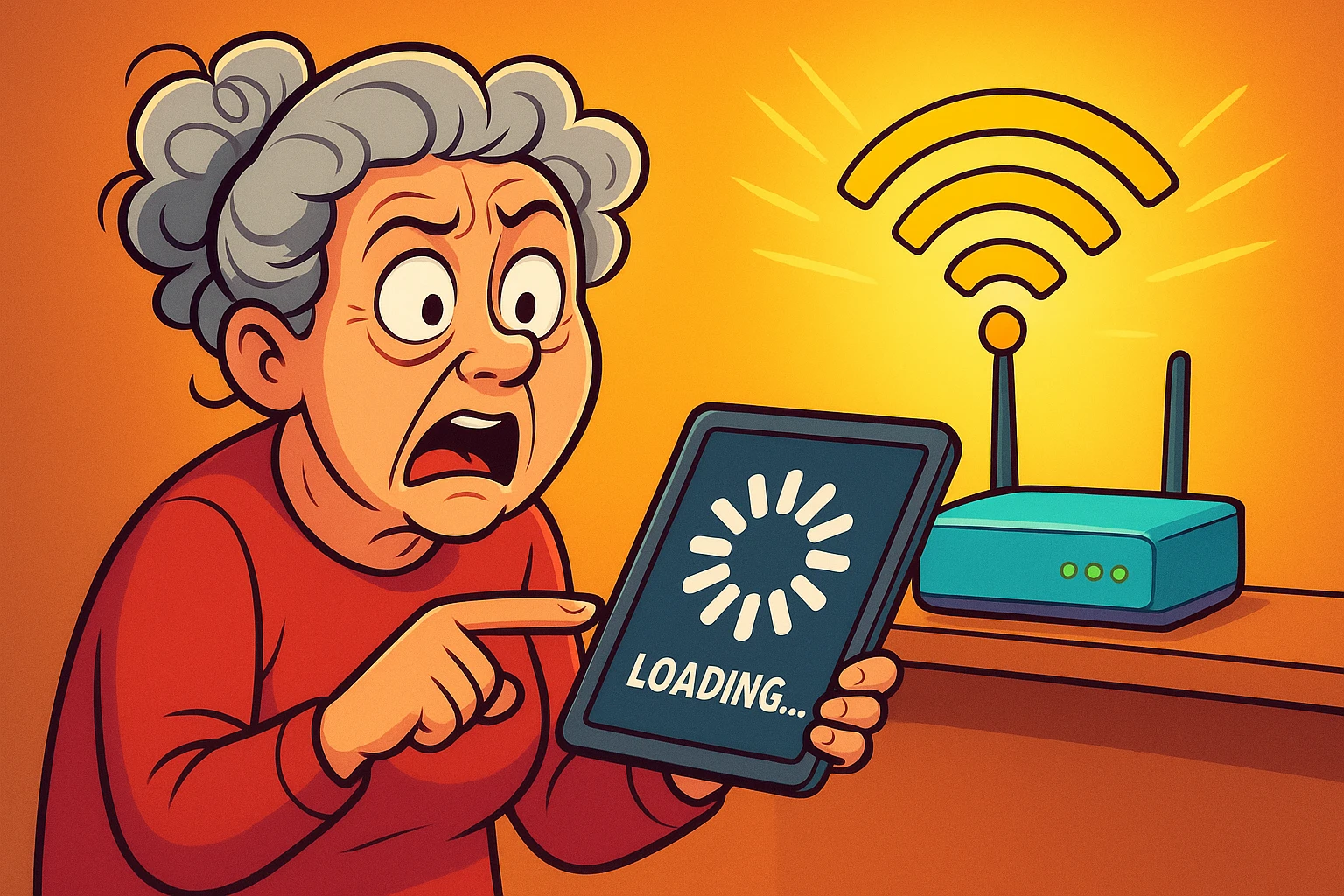
Let’s address the elephant in the virtual room. What happens when you are in the middle of sharing a deeply emotional story, the tears are flowing, and suddenly… the screen freezes? Your therapist’s face gets stuck in an unflattering blink, and the internet connection drops completely.
It’s jarring, annoying, and honestly, it happens to the best of us. This is exactly why vetting your therapist is so important. Before you ever start spilling your secrets, ask them: “What is our backup plan if the internet acts up?”
A good therapist who understands seniors and technology will immediately say, “I will call you on your regular telephone within one minute so we don’t lose our momentum.” Empathy-first tech support treats tech discomfort as a valid barrier, not an IT problem. If they expect you to crawl under your desk to restart your router while you’re crying, they simply aren’t the right fit.
Many seniors strongly prefer the phone, especially if they are feeling self-conscious or tech-weary. Thanks to recent Medicare updates, audio-only (phone) therapy is generally covered just like video therapy for mental health. You don’t have to brush your hair if you don’t want to!
If your therapist is using a proper telehealth platform, yes. By law, healthcare providers must use HIPAA-compliant software. This means the video connection is scrambled like a secret code, preventing hackers from snooping on your private session.
There is no “Misery Olympics” you have to win to qualify for therapy. Whether you are dealing with profound grief, navigating life as a caregiver, or simply feeling a bit lost and isolated, talking to a professional can help. You don’t have to wait until the engine is on fire to take your car to the mechanic.
Taking the very first step toward finding a tele-therapist is a massive victory in itself. You’ve survived decades of life’s unpredictable ups and downs—you can absolutely handle a video link.
Start by making a simple list of what matters most to you. Do you want someone who specializes in grief? Do you need a provider who strictly handles Medicare Part B without a referral? Write down your questions, grab your favorite cup of coffee, and start your search.
Remember, technology should work for you, not the other way around. By taking a few minutes to get your lighting right, secure your privacy, and find a professional who truly speaks “senior,” you can turn your computer into a powerful tool for your own peace of mind. And if the screen freezes? Just take a deep breath and pick up the phone.